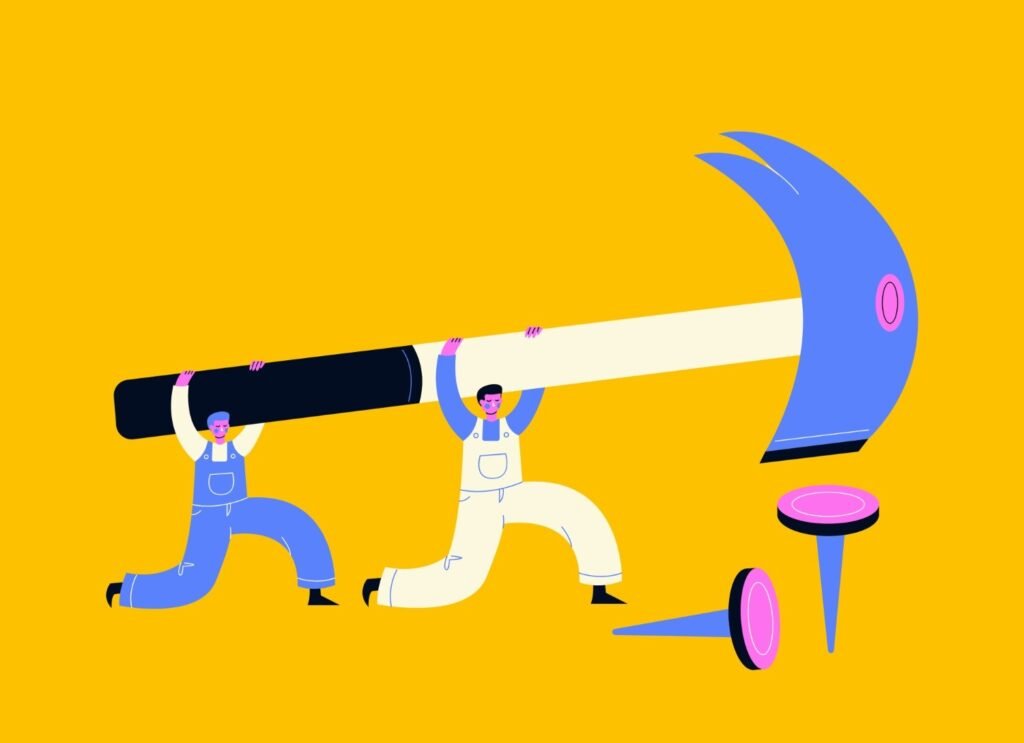
Let’s be real—once private ownership and power structures come into play, inequality isn’t just a glitch in the system. It is the system. From ancient times to today’s finance-driven world, the story hasn’t really changed. Exploitation didn’t go away—it just got a makeover. It’s cleaner, quieter, and way better at hiding in plain sight.
But class exploitation isn’t just about who holds more money or influence. It’s an entire framework—built from legal systems, cultural norms, education, and economic structures. It shapes not just how society works, but how people think about society.
Wherever a small group holds concentrated power, others inevitably get left behind. It has been repeated in human history.
This isn’t merely the result of inequality—it is a selfish system carefully designed to keep certain groups at the top while making upward mobility difficult for the rest.
What makes it so resilient is that the ruling class doesn’t just control wealth or political decisions—they also shape public values, dominate media narratives, and define what’s considered “normal” or “possible.” Over time, this creates a sense of inevitability. People begin to believe the system is just “the way things are.” And that’s how inequality sustains itself—by making the cage look invisible.
Even in today’s modern world, class structures don’t just happen—they’re carefully maintained through systems built to protect those already at the top.
- The legal system, while presented as fair and impartial, often reinforces existing power dynamics. Laws tend to favor those with resources and influence, making it harder for the disadvantaged to seek justice on equal footing.
- Political institutions, through electoral systems, lobbying, and backroom deals, tend to channel power and public resources toward a small elite, leaving the majority with limited real influence.
- The economy may claim to reward hard work and competition, but in reality, markets are shaped by large corporations and financial interests. Capital is highly concentrated, and social mobility becomes more of a myth than a reality.
- Culture and media also play their part. Through education systems, news outlets, and popular entertainment, people are subtly taught to accept social inequality as natural—even necessary. This normalizes the status quo and discourages challenges to the system.
At its core, a class-based society is about the double monopoly of power and wealth. Those at the bottom are often forced to spend all their energy just trying to survive, while those at the top enjoy the means to shape the rules—and keep everyone else in their place.

I. No real citizenship, no real political power
In a society built on class exploitation, ordinary people aren’t treated as citizens—they are subjects, tools, or resources. Political power and institutional design exist almost entirely to serve a privileged few. What is left for the majority is mostly symbolic participation, rituals that give the illusion of inclusion but deny real influence.
Historically, systems like Rome’s massive slave economy or China’s imperial examination system helped sustain rigid social hierarchies.On the surface, they offered a path for upward mobility—but in reality, these were control mechanisms, designed to preserve order and prevent meaningful change. By giving people just enough hope, they kept them in their place.
In modern times, capitalist democracies offer voting rights, but the reality is more complicated. Economic power often steers political outcomes. Capital controls the media, shapes policy, and influences public opinion—turning elections into performances choreographed by vested interests, not true exercises in civic decision-making.
Meanwhile, in class-based societies, those in power often treat public resources as if they personally own them. Even when the government rolls out welfare programs or companies raise wages, it’s usually packaged in a way that makes people feel grateful—like they’re receiving a favor, not claiming something that should already be theirs as a matter of fairness. By controlling both the resources and the narrative around them, the ruling class positions itself as generous and benevolent—while reinforcing its dominance behind the scenes.
II. Law and institutions: decoration or weapon?
1. The true role of law in a class-based society: creating the illusion of equality
In theory, laws are meant to uphold justice and fairness. But in a deeply divided society, how laws are applied often depends on your status, wealth, or connections.
Throughout history, legal systems have tended to impose strict rules on ordinary people while showing leniency—or even blatant favoritism—toward the ruling class. For instance, during medieval Europe’s feudal era, nobles could often pay a fine instead of facing real punishment, while peasants and serfs might suffer harsh penalties for even minor offenses.
Even though modern societies have adopted legal frameworks and systems like the separation of powers, in practice, law enforcement is still heavily influenced by money and power. For example:
- Corporate legal privilege: After the 2008 financial crisis, major Wall Street firms were exposed for widespread fraud and reckless risk-taking. Yet very few top executives faced criminal charges. Most banks simply paid fines and went back to business as usual. In contrast, ordinary people struggling with debt—missing mortgage payments or defaulting on credit cards—often faced far harsher legal consequences.
- Wealth skews justice: In the U.S., wealthy defendants can afford elite legal teams who use complex legal tactics to delay proceedings or secure favorable outcomes. Meanwhile, low-income individuals usually rely on overburdened public defenders, making equal justice nearly impossible. A stark example is the Stanford rape case, where Brock Turner received just six months in jail for sexual assault—while someone without money or status might have faced years behind bars for a similar crime.
- Legal immunity for politicians: In many countries, political leaders and senior officials use their positions to interfere with judicial processes. Even after leaving office, they often remain shielded by powerful networks, making them nearly untouchable by the law.
Law is meant to be the foundation of social order—something that stands above class and wealth. But in reality, the way laws are applied often depends on who holds the power and resources.
Court rulings, law enforcement, even reforms may all follow legal procedures on the surface. Yet in practice, they often end up protecting the interests of the powerful more than delivering real justice or fairness.
2. Legal and political theater fuels division
Legal systems often create the illusion of progress, but real change is slow—and often blocked by those in power. People are left stuck between rising hopes and constant letdowns.
Meanwhile, political discourse shifts focus to identity and culture wars, distracting the public from deeper economic and structural issues. As division grows, the real winners are those at the top—quietly reinforcing their control while everyone else fights among themselves.
This is no accident. Politicians have mastered the art of shaping narratives and stirring conflict, turning people against one another while those in power sit comfortably above the chaos, untouched and in control.

III. Control through fools, flattery, and fear
A system built on class exploitation never empowers the wise or the independent. It prefers the clueless—easy to control—and the obedient—eager to please. Together, they keep the machine running with a mix of ignorance and cruelty.
Throughout history, every ruling class has raised its own loyal enforcers. From imperial eunuchs to secret police, from court elites to modern spin doctors, their job is to silence dissent, shape narratives, and protect the system from within.
The real threat isn’t protest—it’s unity. This is why those in power constantly sow division. They pit region against region, class against class, and group against group, turning potential solidarity into scattered frustration.
IV. Economy and finance: poverty is a carefully designed trap
1. Using economic and financial tools to keep people poor
In a system built on class exploitation, poverty isn’t just a side effect — it is a tool of control. Through high taxes, sky-high housing prices, inflation, and debt traps, the working population is forced to live just above the survival line. With little time or energy left to question the system or fight back, people are stuck in survival mode. Modern consumerism only makes it worse, encouraging people to overspend and fall into debt, tightening the leash around their freedom and choices.
2. Using power to harass and extract at every turn
In the past, heavy taxes drained people’s resources. Today, it is hidden under things like extra fees, fines, and ever-changing policies that just add more stress. These changes are often claimed to be for “better governance,” but in reality, they are just ways to take more from the people. This constant uncertainty creates what’s called a “fatigue society,” where people are so worn out and worried that they can barely keep up with life, let alone fight back.
V. Mental Control: The Double Opium and Cultural Poison
1. Shaping Social Values Through Desire
Class exploitation goes beyond physical oppression. It also involves controlling people’s minds. The elites promote ideals like “wealth and status” and “power above all,” creating a sense of dependence on the system, even leading people to believe they could someday join the ruling class.
The rise of “wealth flaunting” culture and the idea of the “self-made success” myth encourages people from lower-income backgrounds to dream of joining the “upper class.” This cultural influence subtly shifts their focus toward wealth and power, making them mentally align with the elite—without realizing they’ve actually been stripped of their own rights and opportunities.
2. The Glorification and Brainwashing of Exploitation
The ruling class doesn’t just rely on force—they have mastered the art of using cultural brainwash to maintain their power. In the past, it was all about things like the “divine right of kings” and “the three cardinal bonds.” Today, we get billionaire success stories and the magical myth of the “self-made man.”
Mainstream education and the media deliberately avoid addressing structural inequality. Instead, they push the narrative of “changing your destiny through hard work,” creating a competitive, “rat race” culture. People at the bottom end up fighting each other, wasting energy, and never seeing the real issue.

Conclusion: The Ultimate Cost and Reflection on Class Exploitation
At first glance, an exploitative society may appear stable, but in reality, it is fragile. When the economy collapses, the spirit breaks down, and the lower class falls into complete despair, civilization is on the brink of collapse. History has shown that any system built on extreme exploitation eventually destroys itself through the corruption and ignorance it accumulates.
True civilization should be based on respecting humanity and ensuring fairness. Real laws should serve citizens, not privileges. Real politics should foster unity, not division.
This is why we propose the concept and solution of a “society of social citizens.” This concept holds immense potential and can lead to true equality in politics, economy, education, and rule of law. It is not just an idea, but a practice that returns control over social matters to the citizens, giving everyone the power to participate in decision-making and influence change, thus breaking the existing power structures and fostering a fairer and more inclusive society.
Only then can civilization truly endure, no longer sinking into the cycle of exploitation and collapse.