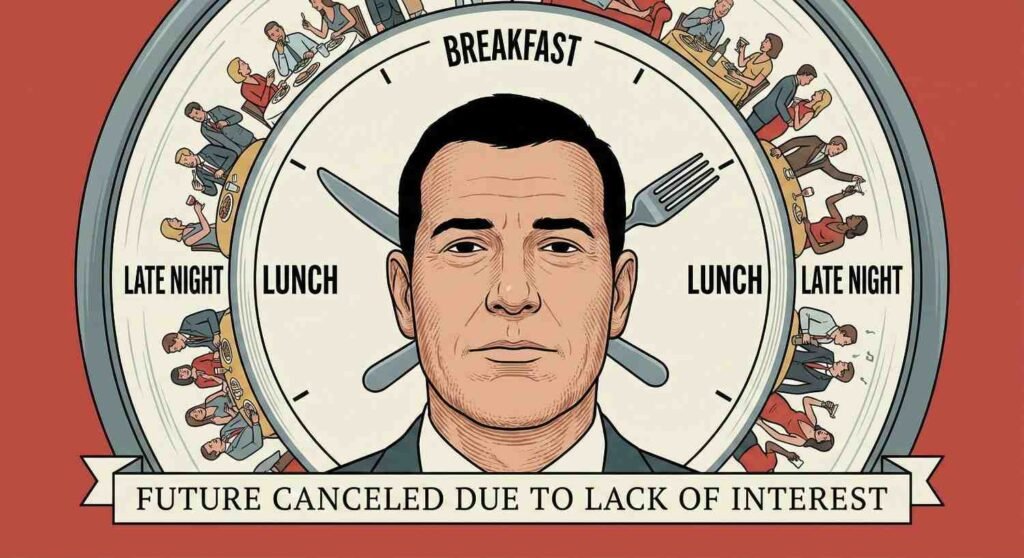
If a regime or government adopts the “Cage Trap” policy, it essentially acts as an extreme mechanism to safeguard privilege and protect class interests. This article offers a multidimensional exploration of this concept.
The “Cage Trap” refers to government policies that impose strict controls on citizens’ freedoms, often justified in the name of national security or social stability. In practice, however, these policies potentially suppress innovation, stifle diversity, and can cause significant harm to nations, individuals, and social groups.
This analysis explores the pros and cons of implementing such policies, focusing on their effects on national politics, the economy, social order, individual freedoms, mental well-being, and social cohesion. The article concludes by emphasizing the importance of protecting civil liberties and fostering diversity as foundational principles to prevent overdependence on restrictive measures.
I. Pros and Cons of Authoritarian rule for the Nation
Pros:
1. Short-Term Security and Stability
When faced with internal or external threats, implementing the Cage Trap policies can provide short-term security. By tightly regulating media, the internet, and social platforms, governments can suppress the spread of radical ideologies, reducing the risk of terrorism or extremism.
This approach seems to effectively limit social unrest and maintain order, especially in situations where preventing societal collapse or large-scale conflict is critical.
2. Preservation of Political Unity and Order
In times of political turmoil or regime instability, the “Cage Trap” can serve as a tool to maintain political unity and stabilize power. By controlling public opinion and suppressing opposition, governments may prevent deep societal divisions and ensure the continuity of governance.
For regimes that rely on authoritarian structures, these measures can temporarily neutralize dissent and create the appearance of stability.
3. Maintaining Economic Stability
Economic order often goes hand in hand with national security. The “Cage Trap” may involve controlling external information or restricting capital flows, allowing a nation to focus on self-sufficiency and resilience. For instance, limiting access to global platforms or external competition can foster a short-term sense of economic stability. However, these measures often come at the expense of long-term innovation, cross-border collaboration, and global competitiveness.
Cons:
1. Erosion of Long-Term Innovation
Strict control over speech and thought inevitably stifles innovation, as a nation’s progress depends on the free exchange of ideas and information. When governments impose heavy-handed policies that restrict both individual and collective expression, innovation is checked. While such policies may maintain social order in the short term, they ultimately diminish the nation’s competitiveness. Over time, stagnation in technology, culture, and the economy leads to missed opportunities for growth. This results in the country falling behind in the global race, and can even trigger economic crises or social unrest.
2. Damage to International Reputation and Diplomatic Relations
Nations implementing the Cage Trap policies—especially when these involve widespread censorship, human rights abuses, or political persecution—often face criticism and resistance from the international community. Organizations like the United Nations and Human Rights Watch may condemn these actions. This results in diplomatic isolation.
Foreign investment decreases, and international cooperation becomes difficult. In some cases, the country may even face economic sanctions. These external pressures can severely limit long-term development and harm the nation’s global standing.
3. Disintegration of Social Cohesion and National Identity
Long-term implementation of the Cage Trap policy weakens social cohesion. When political power becomes overly concentrated and repression intensifies, public dissatisfaction grows. Trust in the government diminishes, and the social contract between the state and its citizens begins to unravel. As a result, people may lose confidence in the nation’s future. This leads to greater societal division, putting national unity and collective identity at risk. Over time, the nation’s internal cohesion starts to erode, threatening its stability.
II. Harms and Impacts of Dictatorship to Individuals
Harms:
1. Loss of Freedom and Basic Rights
The “Cage Trap” policy directly restricts basic freedoms. Typically, rights like free speech, free press, and the right to assembly are suppressed. This causes citizens unable to openly voice their opinions or participate in public affairs. This silences criticism and limits opportunities to offer suggestions for government policies.
Under this system, access to information is tightly controlled. Thoughts, emotions, and actions are monitored, creating a form of systemic “mental imprisonment.” Internet censorship worsens the situation. It creates an imbalance of information and prevents citizens from gaining a comprehensive understanding of both domestic and global developments.
2. Mental Stress and Fear
Living in such a controlled environment leads to significant frustration. In an oppressive society, anyone can be labeled a “dissident.” Everyday conversations or actions, even those unrelated to politics, might be seen as a threat. This constant fear seeps into daily life and mental health. Anxiety, helplessness, and isolation become widespread. Worse, individuals may be discouraged from pursuing personal growth or self-expression. Over time, this suppression erodes their sense of identity and dignity, leaving many feeling empty and detached.
3. Restricted Personal Growth and Development
The Cage Trap policy goes beyond limiting speech. It deeply impacts personal mental and cognitive development. The lack of academic and intellectual freedom stifles innovation. Young people are discouraged from developing creativity and critical thinking. Without access to diverse ideas and open dialogue, individuals face severe limitations in their growth. They miss out on the nurture of diverse cultures and ideas exchange. This environment fosters stagnation, resulting in rigid thinking, inflexibility, and a lack of awareness.
4. Breakdown of Social Trust
The policy also undermines social trust in profound ways. In a society under constant surveillance, there is a growing tendency of suspicion among all relationships, whether with friends, families or total strangers. Conversations become guarded, and even close relationships are strained by fear and doubt. Trust, the foundation of social cohesion, starts to crumble, leaving individuals isolated.
Collaboration and mutual understanding diminish, while daily interactions shrink due to concerns about unintended consequences. Over time, society risks devolving into an isolated, fractured state where cooperation and shared humanity are replaced by suspicion and animal instincts.
Impact:
1. Self-Censorship and Silence in Social Behavior
One of the significant impacts of the Cage Trap policy is the rise of self-censorship among citizens. Under prolonged surveillance and control, individuals start filtering their speech and actions to avoid unnecessary attention or trouble. This self-censorship extends beyond words, infiltrating personal behavior and lifestyle choices.
People may suppress their genuine opinions, burying their thoughts deep within themselves. As a result, societal dynamism and creativity are stifled. The space for public discourse shrinks, and society becomes less open and inclusive, creating an atmosphere that feels cold and lifeless.
2. Declining Trust in Government and the Legal System
The implementation of the Cage Trap policy also erodes public trust in both the government and the legal system. As citizens see government actions and legal frameworks more as tools for maintaining power than protecting their rights, distrust begins to grow. This skepticism spreads throughout society, deepening the rift between the people and the authorities.
The breakdown of trust in the legal system leads to a general sense of uncertainty, making society increasingly unstable as people begin to question the fairness and legitimacy of laws and government actions.
III. Harms and Impact on Social Groups
Harms:
1. Shrinking of NGOs and Civil Society
The Cage Trap policy typically involves a crackdown on social groups and non-governmental organizations (NGOs). In authoritarian regimes, civil society organizations are often forced to disband or are subjected to excessive control. Many volunteer-driven initiatives and public service projects, especially those that may challenge government policies, are heavily scrutinized and repressed, making it difficult for them to function.
The decline of civil society not only undermines the delivery of social welfare but also deprives society of the diverse means to address complex social issues. Ultimately, this results in the loss of opportunities for societal development and innovation.
2. Suppression of Collective Action
Under the Cage Trap policy, collective efforts tends to become a high-risk endeavor. Social groups, fearing government crackdowns, often choose silence or dissolution. This policy limits the space for citizens to express shared interests and weakens collective awareness and the ability to collaborate within society.
Even ordinary community activities or public service projects may face government monitoring and censorship, causing social groups to become more passive and withdrawn. As a result, the power of collective action and the momentum for social reform are stifled, significantly reducing the drive for social progress. Social innovation and development are thus restrained.
Impact:
1. Erosion of Social Diversity
The Cage Trap policy remarkably reduces social diversity in both thought and culture. It often suppresses the variety and inclusivity of social groups, leading to fewer interactions between grassroots organizations and different communities. Therefore, there is usually less room for cultural and intellectual engagement and exchange.
Without diverse ideas, society becomes more conservative and close-off. This lack of variety limits overall creativity and energy. It also makes it harder for the country to stay competitive in the fast-changing global and technological landscape.
2. Fragmentation of Social Cohesion
As social groups and individuals lose the space for collective action, social cohesion begins to gradually break down. The structure of society becomes more fragmented, and cooperation and understanding among the people are severely impacted. Even when facing societal problems, people struggle to come together to find solutions. Society’s ability to adapt and remain inclusive weakens. This increases the risk of social unrest and dissatisfaction. In turn, this threatens the stability of the nation.
Conclusion
In conclusion, while the “Cage Trap” policy may offer some short-term security and social order, its long-term effects on the nation, individuals, and social groups are overwhelmingly negative.
At the national level, it stifles innovation and development while damaging international reputation. At the individual level, it strips away basic freedoms and creates significant psychological strain. At the level of social organizations, it dismantles civil society and the capacity for collective action, leading to the gradual erosion of social diversity and cohesion.
In today’s era of globalization, the “Cage Trap” policy not only fails to address social issues effectively, but it may also lead to deeper crises for both the nation and society. For the long-term development of the nation and the sustainable progress of society, safeguarding individual freedoms and promoting social diversity and inclusivity should be central to policy-making.