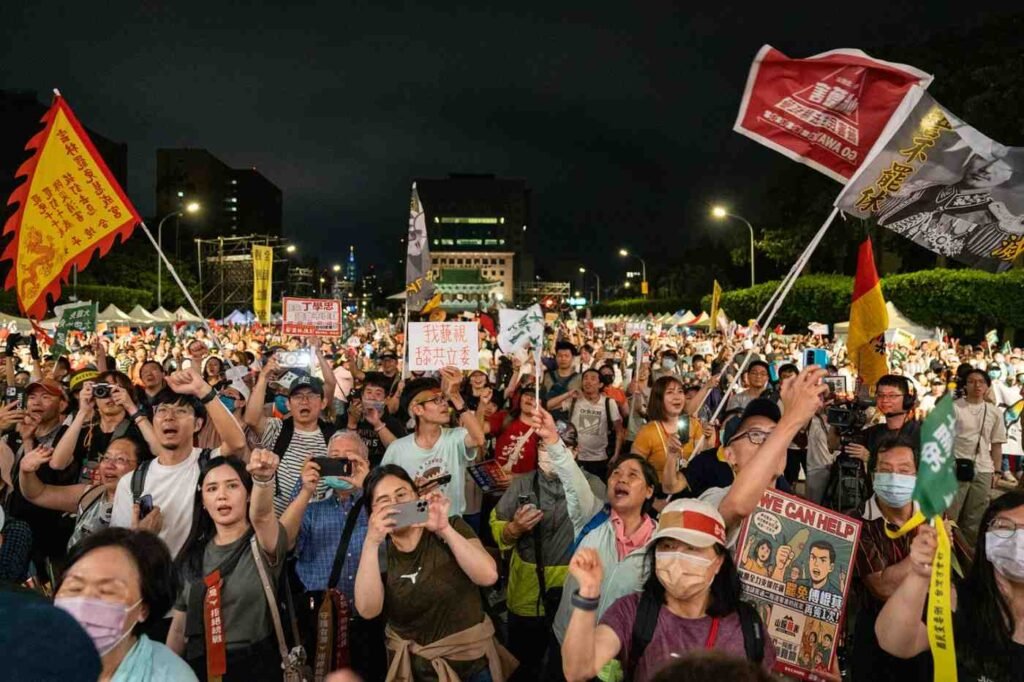
After witnessing the horrors of totalitarian regimes in the 20th century and the deep critiques of capitalist systems in the 21st, post-2024 democratic governments will inevitably take on a new form. They will no longer replicate the military or social autocracies of the past, nor will they serve as mere instruments of economic and financial dominance. Instead, the democracies of the future will represent social groups, citizens, and individual rights. They will redefine the essence of global democracies and civic society and the purpose of political systems by safeguarding diversity, ensuring equal rights, and upholding freedom of expression.
From Totalitarianism to the Future of Global Democracies
The 20th century was marked by the reign of totalitarian politics. The military dictatorship of Hitler, the social autocracy of Stalin, and the rise of numerous authoritarian regimes worldwide inflicted immeasurable suffering on humanity. These governments shared common traits: centralized power, suppression of dissent, and a complete denial of individual freedoms. Under such regimes, the sole purpose of politics was the consolidation and expansion of power, silencing both individuals and social groups.
The lessons of totalitarianism remind us that politics and society must be grounded in freedom and equality. Decision-making cannot hinge solely on the will of a select few. Over time, the concept of global democracies has shifted closer to ideals of “universal human rights” and “citizen participation.” Mechanisms such as democratic elections and the establishment of constitutional rule and law aim to protect the fundamental rights of all members of society.
However, the political crises of the 20th century were not the end of the story. As we moved into the 21st century, globalization and the capitalist economic system introduced new challenges that demand equal attention.
Capitalism’s Grip on Global Democracies: The Corruption of Its Essence
The globalization of the 21st century has fueled market economies, but it has also blurred the lines between politics and economics. In capitalist systems, the concentration of wealth and power has led to an alarming merger of business and government. The high costs of election campaigns and the overwhelming influence of special interest groups have turned democratic governments into tools of monetary influence. Large corporations and wealthy elites manipulate political agendas through funding and resource control. They even leverage biased media to sway public opinions. This leaves the average citizen with little voice in the political system, further discouraging meaningful participation.
This capital-driven political model corrupts government functions and undermines social fairness. The widening wealth gap, weakening social security, and privatization of public resources marginalize the economically disadvantaged. In some countries, democracy is distorted by the influence of capital, leading people to question: What is the true essence of global democracies? Is it just a game for the rich and powerful?
Protecting Communities and the Future Global Democracies
Reflecting on the failures of authoritarian regimes and the corruption of democracy by money, the goals for a service-oriented government becomes clear: it must prioritize the rights of every individual as central to societal progress. In this vision, the future global democracies government will return to its fundamental mission—serving and safeguarding the rights and freedoms of communities, citizens, and individuals alike.
This renewed focus requires a government that actively promotes social equity, ensures the inclusion of marginalized voices, and provides a platform for meaningful civic participation. By addressing systemic inequalities and fostering collaboration among diverse groups, a service-oriented democracy can strengthen the social fabric and redefine governance as a collective effort, not a tool for power or profit.
1. Independence and Diversity of Civil Society and global democracies
Future global democracies and governments should not rely solely on the operations of political parties or government institutions. Instead, civil society organizations will emerge as a vital pillar of democratic politics. These organizations—comprising nonprofits, social movements, labor unions, volunteer networks, and more—serve as representatives of diverse groups, addressing a wide array of interests and needs.
A healthy democracy should resist tendencies toward centralization. It should provide civil society with the independence and resources necessary for growth and impact. Governments need to ensure a legal framework that allows these organizations to operate freely, along with financial support to sustain their initiatives.
By fostering an environment where civil society can thrive, these groups can take the lead in driving social change, protecting vulnerable populations, and advocating for causes like environmental preservation.
2. Equal Protection of Civil Rights and Resources
The essence of modern democracy lies in the equal protection of civil rights. For post-2024 democratic governments, the focus must extend beyond the procedural aspects of voting. It should prioritize safeguarding citizens’ quality of life. Equal access to education, healthcare, housing, employment, and social security must form the foundation of a society, so that all individuals can lead lives of dignity.
In an era defined by information technology, digital transformation, and globalization, inequality manifests not only in wealth distribution but also in disparities in education, access to information, and opportunities for societal participation. Global democracies and democratic governments need to ponder on and tackle these systemic challenges. This involves ensuring equal opportunities for all citizens, irrespective of their backgrounds.
3. Comprehensive Protection of Personal Freedom and Security
Personal freedom is the soul of democracy. Future global democracies and governments must rigorously protect core rights such as privacy, freedom of speech, and freedom of religion. In recent years, safeguarding personal data and online privacy has emerged as a critical challenge. Issues like data breaches, digital surveillance, and manipulation of information demand stringent laws and regulations to secure individuals’ digital freedom.
Additionally, the rise of artificial intelligence and automation presents new threats to personal autonomy in areas such as employment, lifestyle choices, and even identity. Democratic governments must implement measures to protect citizens against these risks, ensuring that freedom and dignity remain inviolable.
4. Building an Inclusive and Diverse Society
The future of democratic governance will navigate an increasingly diverse societal landscape. This diversity spans beyond ethnicity, culture, and language, encompassing gender, sexual orientation, and religious beliefs. By enacting inclusive policies and fostering social integration, it can ensure equal participation for all.
This includes combating discrimination, safeguarding marginalized groups, and promoting representation across society. Prioritizing inclusivity will strengthen mutual respect and unity, creating a more harmonious global democracies and equitable future.
Conclusion: Towards a Future Democratic Promise
The democratic government of the post-2024 world will not echo the authoritarian militarism of Hitler, the absolute control of Stalin, or the power structures hijacked by wealth. Instead, it should serve as a guardian of social justice, protecting communities, citizens, and individuals while embracing the responsibility of fostering equity and fairness in a globalized world.
The future global democracies will transcend traditional “electoral democracy” and evolve into a social contract that safeguards individual dignity and the freedom of diverse communities. Democracy’s value must extend beyond the mechanics of voting to permeate daily life, ensuring that every citizen can embody democratic ideals and uphold universal values.
By embracing diversity, promoting equal rights, and defending individual freedoms, the governments of tomorrow will fulfill their highest mission: enabling citizens and communities to pursue happiness and dreams in a society built on liberty, justice, and equality. This is the true vision of democracy beyond 2024.