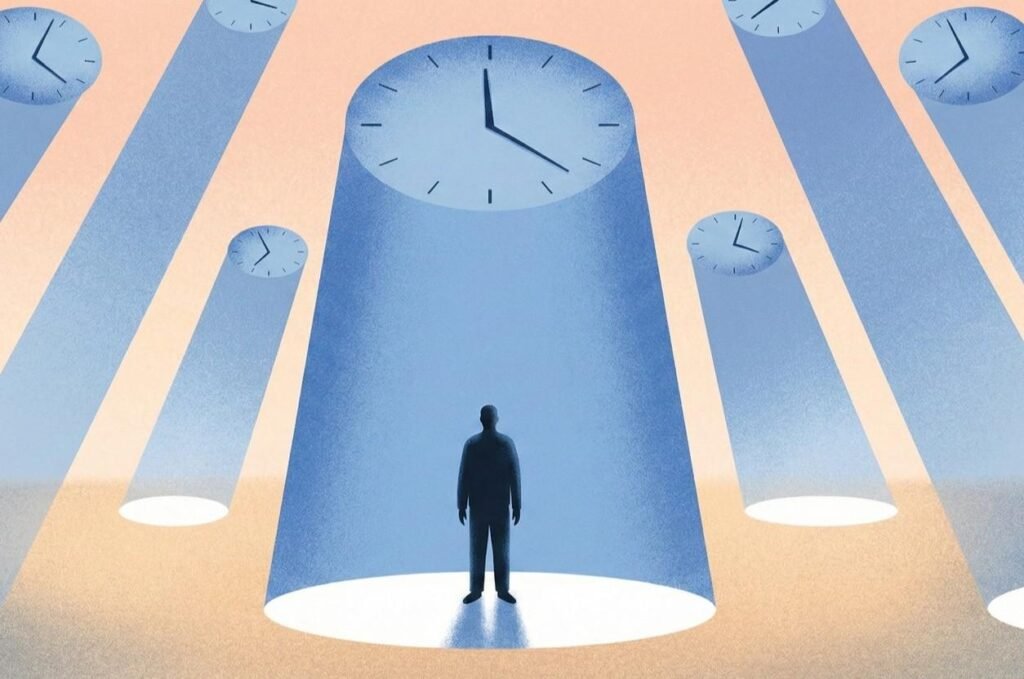
Civilizational shift and value reconstruction
Human civilization is stepping into the “social citizenship era”—a time when people are more aware, systems are stable, and individual rights truly matter.
From obedient subjects to national citizens, and now to social citizens, civilization is no longer measured by empires, power, or flashy technology—it is defined by new values and a better quality of life for all.
In the era of social citizenship, true civilization isn’t measured by towering skyscrapers or military power but by the seamless unity of freedom, democracy, and happiness.
These three values stand as the “trio of civilization”: freedom upholds individual dignity, democracy embodies public reason, and happiness defines the purpose of life. Together, they shape the core values of modern civilization and offer a path for the sustainable development of future societies.
1. Freedom: The Spiritual Awakening from Subjects to Citizens
Freedom is the most fundamental civil right in the era of social citizenship. It means that individuals are no longer subjects of power or mere “tools” in the social structure, but independent entities with the basic rights to think, express, move, and believe.
Throughout history, the idea of freedom has often emerged from the struggles against oppression.
From the silent uprisings of individuals in slave societies, to the defiance of the Church’s authority in medieval Europe, and the birth of the “natural rights” concept during the Enlightenment, freedom has always been the first spark ignited by civilization. Philosophers like Rousseau, Locke, and Kant all echoed a common truth: without freedom, there can be no moral judgment, no accountability, and no solid foundation for a stable society
In the age of social citizenship, freedom is no longer just a privilege for the elite. It should be a fundamental right for everyone. This freedom must be formalized—not the chaotic freedom of “anarchy,” but a lasting freedom safeguarded by the constitution and operating within the rule of law. It must protect individuals from state overreach while also shielding people from the dehumanizing effects of emerging forces like capital and technology.

2. Democracy: The Institutional Foundation of Civil Society
If freedom marks the awakening of civic consciousness, then democracy is the path that institutionalizes this awareness. It is not just about casting votes, but a full system that involves checks on power, public involvement, the rule of law, and transparency in information.
Democracy is essential because it ensures that power originates from the people and ultimately serves the people.
In the age of social citizenship, democracy goes beyond mere formal legitimacy. It cares more about the fairness of both the process and the results. A genuine democracy must embrace diverse voices, allowing policies to be shaped, questioned, and refined through open public debate.
However, making democracy work is no simple task. Today, even though formal democracy is common, populism, information manipulation, and the rise of “digital oligarchies” led by powerful elites, corporations, and tech platforms are gradually weakening the core of democratic systems.
While the right to vote is the foundation of civic participation, without mature civic awareness, critical thinking, and effective platforms for public discussion, this democratic mechanism can easily become an empty form.
These days, everyone has something to say on social media, but the internet also floods us with information, fuels polarized opinions, and spreads misinformation. Traditional ways of participating in democracy have been shaken up by this change, making it clear just how badly we need to rethink and strengthen our democratic systems.
In recent years, democracy has faced even more challenges, with global political chaos and a growing distrust in democratic institutions. As the wealth gap keeps growing, it seems democracy has missed the memo on actually protecting fairness and justice. Some groups have been completely ignored or left out, and surprise, surprise—trust in the system is plummeting. Now, people are looking to authoritarianism or populism as the next big “solution.”
This doesn’t mean democracy is incapable. After all, it is never a perfect system. Democracy itself needs constant adjustment and refinement to meet the demands of the times. The issues that have surfaced actually present an opportunity for progress, pushing society to think about how to improve democratic mechanisms for better fairness and justice.
In the era of social citizenship, democracy is not about casting votes. However, it hinges on fostering deeper civic awareness, strengthening institutional resilience, and supporting the growth of civil society organizations.
To update and strengthen democracy, nations must make long-term investments in education, cultivating independent thinking, critical judgment, and a higher level of social reasoning.
With this foundation, artificial intelligence and social media can function as tools for modern democracy, using data analysis to refine policy decisions, increasing government responsiveness to public opinion, and creating more opportunities for civic participation.
More importantly, governments must continue to support the development of social groups and build effective systems for citizen engagement. People need real and accessible ways to express their concerns, drive change, and take an active role in public affairs through legal and rational means.
Together, these efforts shape a democracy that is more than just elections—it becomes a way of life, reflected in daily participation and a culture of informed public debate.

3. Happiness: The ultimate destination of civilization
Freedom and democracy set the stage, but happiness is the real goal of civilization. It is based on fair political systems and economic growth, but manifested on how people actually experience life, from their well-being and relationships to their sense of purpose.
For centuries, happiness was tied to material wealth. But as society moves into the era of social citizenship, the definition has evolved:
Do people have access to quality healthcare and education? Do they feel safe, included, and treated fairly? Do they have the time and freedom to pursue what truly matters to them? Are they free from fear and scarcity? These are the questions that define what happiness really means.
At this stage, a society’s happiness can no longer be measured by GDP growth alone. Instead, it is reflected in people’s sense of dignity, achievement, social responsibility, and overall fulfillment. This requires a multidimensional approach—one that prioritizes social welfare, fairness, environmental protection, and mental well-being—to build a modern society centered on human dignity.
Happiness cannot be imposed, nor can it be manufactured through material excess or propaganda. It emerges naturally from both personal experience and social conditions, as the true outcome of freedom and democracy.
4. The balance and tension between freedom, democracy, and happiness
Freedom, democracy, and happiness are not separate ideals but a dynamic, interdependent system:
- Democracy without freedom is a façade. When speech is silenced and independent thought suppressed, voting becomes an empty ritual.
- Freedom without democracy is precarious. Without accountability, those in power can strip away freedoms at any time.
- Freedom and democracy without well-being are meaningless. If people are trapped in poverty, fear, and instability, even the most sophisticated political system fails to create a truly livable society.
In reality, these three forces rarely exist in perfect harmony. Some countries eagerly trade democracy for economic efficiency, others wave the flag of democracy while quietly tightening their grip on freedom, and even in the most generous welfare states, a well-padded safety net cannot catch the creeping sense of emptiness.
This ongoing tension is a reminder that civilization is not some neatly wrapped gift but a constant balancing act—one that requires recalibration rather than blind faith in any single ideal.
The real challenge of the social citizenship era is not just to preach freedom, democracy, and happiness but to build a system where they actually hold each other accountable, ensuring a society that is both functional and genuinely livable.
Around the world, many nations are still caught in the grip of authoritarianism and unrest, while others enjoy wealth without security, power without compassion. This reveals a hard truth: humanity has yet to fully transition into the era of social citizenship.
In the midst of such upheaval, every nation, every society, and every individual should ask themselves:
Is our freedom genuine? Is our democracy trustworthy? Is our happiness sustainable?
Only when these three forces—freedom, democracy, and happiness—are balanced, institutionalized, and accessible to all can we truly step into a new era of civilization—one that values individuals, fosters social harmony, and pursues the well-being of all.