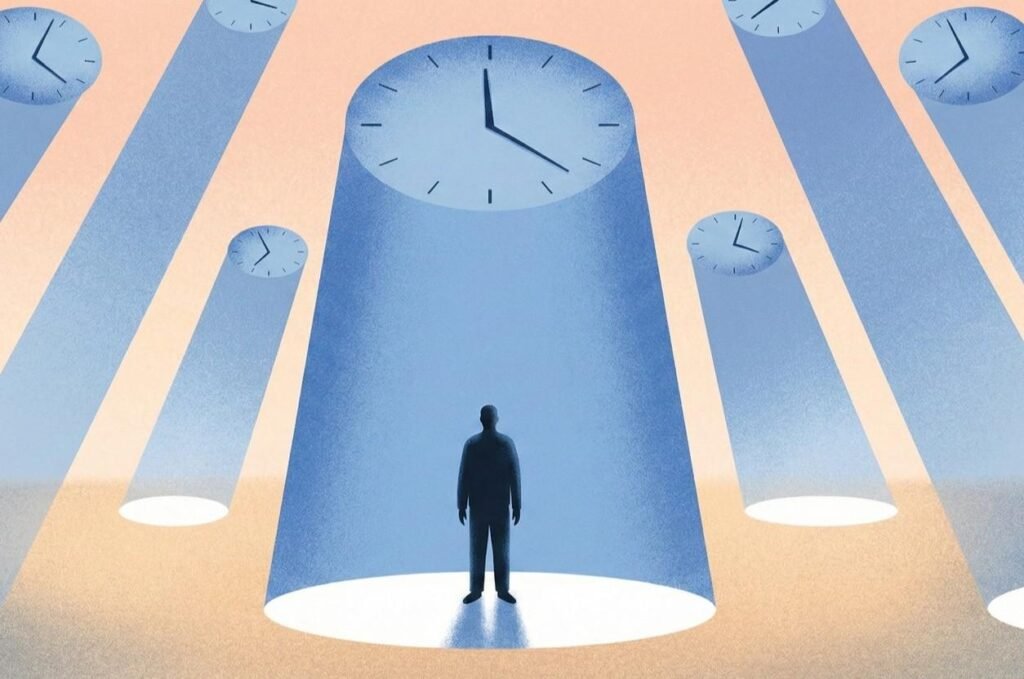
“Yesterday is history, tomorrow is a mystery, and today is a gift.”
As we go through life, it’s natural to look back on the past. Many people get stuck in their memories, whether holding on to past successes or dwelling on regrets. But looking back doesn’t mean we should stay trapped there. The real purpose of reflection is to learn from our experiences and gain insight, not to let the past hold us back from living fully in the present and moving toward the future.
Looking back helps us see clearly, but letting go makes us gain clarity. Only by reflecting on the past can we learn from our mistakes, gain wisdom from our successes, and create a clearer path for the future.
However, reflection doesn’t mean dwelling on the past for too long. Instead, it’s about carrying forward the lessons we’ve learned while freeing ourselves from what no longer serves us. Only then can we fully embrace the challenges and opportunities ahead.
1. The past is the soil where we grow
The past is unchangeable, yet it shapes who we are in profound ways. Every mistake, failure, and decision we have made has contributed to the person we’ve become. These experiences nourish our thinking and provide valuable lessons for our actions.
However, reflecting on the past doesn’t mean dwelling on regret or resentment. It is more about learning from experience to avoid repeating the same mistakes. A poor decision in the past can make us more cautious in the future, and past pain can make us more resilient.
In this way, the past is not a burden but a treasure. It equips us with wisdom, guiding us toward better choices in life.

2. Dwelling on the past holds us back from the future
While our past experiences are valuable, clinging to them can trap us in our own memories. It feels like staring at our reflection in a mirror while missing the beautiful scenery ahead. If we keep looking back at what is already gone, we lose sight of the path in front of us. Our minds become entangled in past joys or sorrows, making it difficult to fully engage with the present.
As the philosopher Martin Heidegger said, “humans are beings oriented toward the future.” Instead of fixating on what is behind us, we should focus on what lies ahead. Only by letting go of past burdens can we embrace true freedom and create the future we desire.
If we remain stuck in the past, we miss out on the richness of the present and fail to prepare for what is yet to come.
3. How to let go of the past and move toward a clear future
Letting go of the past doesn’t mean forgetting it—it means no longer allowing it to control our emotions and choices. It is an inner liberation, a way to find light even in the shadows of pain.
Firstly, we must learn to forgive ourselves and others. Mistakes are inevitable, and so is the pain caused by others. However, dwelling on past regrets and wounds only weighs us down. True freedom comes from forgiveness and letting go, which also elevates our mindset.
Secondly, we must actively build our future in the present. The possibilities ahead are endless, and the best way to shape them is by focusing on the now. Every small step—every lesson learned, every bit of progress—moves us forward. The future is not something we wait for; it is something we create through action.
Finally, a great goal gives life meaning. We are not here just to exist—we are here to grow, contribute, and move toward something greater. A strong purpose is the guiding light that helps us walk out of the shadows of the past.
No matter how difficult the journey, let your dreams and goals lead the way. As you move forward, the burdens of the past will fade, and the path ahead will become clearer, richer, and more fulfilling.

Conclusion
Looking back helps us gain clarity, and letting go helps us move forward with a clear mind. Our past experiences shape who we are, but they shouldn’t hold us back. Instead, they should serve as stepping stones, guiding us toward growth and new possibilities.
Life is a journey of constant progress. The past lays the foundation beneath our feet, but the future is the path ahead. Only by releasing the weight of what was can we move forward with strength, embrace new opportunities, and reach greater heights.