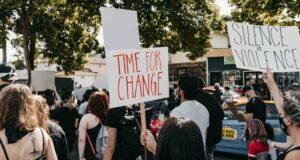
Civil rights are not only a symbol of an individual’s legal identity within the state, but also a crucial mechanism for ensuring personal dignity and the fair distribution of societal resources. These rights encompass participation in social governance, access to public services, and legal protection, all while carrying the responsibility of fulfilling social duties. However, in reality, some individuals voluntarily renounce their civil rights, or lose them due to specific circumstances. Such decisions or situations have profound and harmful effects on the individuals themselves, their families, society, and even the development of human civilization.
I. Impact and Harm to the Individual: Stripped Identity and Fragile Existence
1. Identity Crisis
By renouncing or losing civil rights, individuals lose their formal connection to the state and society. This loss of identity can trigger profound psychological and social issues.
A report from the United Nations High Commissioner for Refugees (UNHCR) reveals that more than 4.5 million people around the world are stateless. Without formal identity, they are unable to obtain passports, vote, or access social services, leaving them in a state of extreme instability. The loneliness and sense of helplessness that come with losing their identity cause them to become increasingly disconnected from society, with some even nearing the brink of psychological breakdown.
2. Deprivation of Basic Rights
Civil rights are essential for securing basic rights like education, healthcare, and employment. Without these rights, an individual’s living conditions can deteriorate dramatically.
According to data from the Pew Research Center, there are approximately 11 million undocumented immigrants in the United States. Lacking citizenship, they are unable to work legally or access healthcare benefits. Many are forced to take low-wage, high-risk jobs and lack legal protection when facing discrimination or exploitation.
This issue is prevalent across the globe. The lack of citizenship often results in the loss of basic life necessities, leaving individuals marginalized by mainstream society.
3. Mental Health Risks
Long-term loss of identity and social isolation can lead individuals to develop psychological issues such as low self-esteem and depression.
In Japan, over 1 million people have chosen to cut themselves off from society and stop fulfilling their civic duties. They live in isolation, often feeling disappointed by society. This leads to deep loneliness, and many eventually decide to end their lives.
II. Impact and Harm to the Family: Economic Burden and the Struggles of Intergenerational Inheritance
1. Increased Economic Burden
When a family member loses their civil rights or chooses to forgo their social duties, their basic needs, such as healthcare and housing, often fall on other family members, increasing the economic pressure on the entire household.
For example, in countries like Turkey and Lebanon, many Syrian refugee families are unable to access healthcare and education services due to their statelessness. With limited resources in these countries, many refugee families are forced to live in makeshift camps, and children lose the opportunity to attend school. At the same time, parents, struggling to make ends meet, are often forced to send their children to work, creating a vicious cycle.
2. Breakdown of Family Relationships
The loss of civil rights can also trigger conflicts over values within the family, potentially leading to estrangement between family members.
For example, in Europe, some young people from Muslim families, especially second-generation immigrants, are influenced by extreme religious ideologies. They refuse to participate in democratic elections, oppose secular laws, and some even join extremist groups like ISIS. This not only disrupts harmony within the family but also leads to the family’s isolation within the local society.
3. The Ongoing Intergenerational Struggle
When parents lose their identity, it often affects their children’s future. For example, children of undocumented immigrants may not be able to get a good education because they don’t have legal status, making it harder for them to escape poverty.
Many children of undocumented immigrants are called “dreamers.” Despite being born or raised in the United States, they can’t obtain legal residency due to their parents’ status and face the threat of deportation.
III. Social Impact: Resource Imbalance and Trust Crisis
1. Inequitable Distribution of Social Resources
When some people lose or give up their civil rights, their needs and burdens are often still shouldered by society. This leads to an imbalance in resource distribution, fueling social conflicts.
During the 2015 European migrant crisis, countries like Germany and Italy struggled to cope with the large influx of stateless migrants, which overloaded their social welfare systems. The German government had to urgently mobilize funds and resources to build temporary shelters, but it was still difficult to provide basic services such as housing, healthcare, and language training in a timely manner.
Local residents felt that social order was being disrupted and became frustrated with the strain on welfare resources caused by migrants. This led to a rise in populism and anti-immigrant sentiments. Many feared that the influx of refugees would increase the burden on social services and take away employment and education opportunities from locals.
2. Weakened Social Cohesion
The loss of civil rights prevents certain groups from participating in social governance, causing a decrease in overall social cohesion.
In Japan, the voter turnout among young people has been consistently low in recent years, even falling below 50%. For example, in the 2022 House of Representatives election, the voter turnout for those aged 18-29 was just 46%, while the turnout for people aged 65 and older reached 71%.
This significant generational voting gap has led to policies that clearly deviate from the needs of young people. For example, the Japanese government has significantly increased pension and healthcare spending in recent years, while investment in areas such as youth employment, education, and housing has been relatively insufficient. Some young people even complain that their taxes are mainly used for pensions, while their own interests are overlooked.
3. Increase in Crime Rates and Social Instability
Groups without civil rights, facing economic struggles and marginalization, are more likely to turn to crime or extremism. For example, in the suburbs of France, immigrant communities have been left out for years and struggle to fit into mainstream society. As a result, some young people have joined violent protests or criminal activities, causing more public safety issues.
IV. Impact on Human Civilization: Setback in Democracy and Equality
1. Erosion of Democratic Institutions
When some individuals voluntarily or are forced to withdraw from public affairs, the representativeness and legitimacy of democracy are weakened.
In the United States, due to various socioeconomic factors, the voter turnout among low-income and minority groups is usually lower than that of higher-income and white populations. As a result, their representation in political decisions is relatively weak, and the interests of different groups may not be equally reflected.
In India, due to cultural traditions and biases, women are often excluded from public participation, and very few women enter decision-making systems in public affairs. Therefore, women’s needs are not heard, and policies and laws are often biased towards men, which is extremely detrimental to the situation of women in India.
2. Regression in Equality and Inclusion
The loss of civil rights further marginalizes vulnerable groups and hinder the development of fairness and inclusivity in society.
According to the United Nations, more than half of the stateless children worldwide are unable to access basic education, which severely limits their future opportunities. This is not only an individual tragedy but also a huge waste of human potential and resources.
3. Stagnation and Risks in the Progress of Civilization
Civil rights are essential for advancing civilization. As more people choose to withdraw or are excluded, society’s ability to innovate and move forward is diminished.
Innovation often comes from the participation and interaction of citizens across all sectors of society. When there is an imbalance in the representation of voices and a decline in civic autonomy and engagement, it becomes difficult to spark vibrant social creativity.
V. Solutions: Restoring the Balance Between Civil Rights and Responsibilities
The loss or abandonment of civil rights is not just a problem for individuals and families, but it also threatens social stability and the progress of civilization. To address this, we need a range of measures at different levels. This includes raising awareness on both an individual and cultural level, as well as creating policies and innovations in systems to restore the balance between civil rights and responsibilities, helping society grow in harmony.
1. Raising Civic Awareness: Awakening Consciousness of Rights and Responsibilities
Education is a key tool in shaping civic awareness. Through school education, community training, and public campaigns, we can help people understand the value of civil rights and the importance of fulfilling civic duties. Specific measures include:
- Adding “Civics Education” courses to the educational system, covering topics such as rights, duties, and democratic participation.
- Using social media and public advertisements to spread civic awareness, such as through short videos showcasing elections, charity events, and other examples to inspire more people to actively participate in social affairs.
In addition, the exercise of civil rights must be combined with social responsibility. By fostering a culture that respects rules and the rights of others, we can establish a healthy balance between rights and duties.
For example, Nordic countries have cultivated a strong sense of social responsibility among citizens through education and cultural traditions. This has led to high levels of participation in voting and public service activities. It also ensures the protection of social welfare policies and help forge a society that values both rights and responsibilities.
2. Provide pathways to legalization: Grant citizenship to marginalized groups
Stateless individuals (such as stateless persons or undocumented immigrants) are often excluded from the civil rights system due to policies or historical reasons, which causes wasted social resources and accumulated conflicts. To address these groups, reasonable pathways for legalizing their status should be established. Specific measures include:
- Simplify the legalization process: Provide citizenship or long-term residency opportunities for individuals who have lived in a country for an extended period without legal status, such as allowing them to apply for legal status after residing for a certain number of years.
- Strengthen international cooperation on statelessness: Promote regional or global agreements to facilitate the identification of stateless individuals and ensure they receive basic rights protections.
Develop special protection measures for vulnerable groups like stateless children and refugee women to ensure their basic rights are not deprived due to their status. For example, South Africa’s “birth registration program” provides legal identity to all newborns, even if their parents are undocumented or stateless, ensuring children still have access to education and healthcare and helping them integrate into society.
3. Enhance social inclusivity: Reduce identity gaps and marginalization
The loss of civil rights is often accompanied by social discrimination and marginalization. To reduce unfair treatment based on identity differences, we can promote the integration of diverse cultures and encouraging equal dialogue. Specific measures include:
- Promote cultural diversity and equality in businesses, schools, and communities to increase acceptance of people from different backgrounds.
- Organize cultural exchange events to promote mutual understanding and respect between local residents and immigrants or refugees.
Additionally, by providing more public resources and services, we can lower the barriers for stateless or marginalized groups to integrate into society, helping them gradually regain or obtain civil rights.
For example, the German government provides free language courses and vocational training for immigrants and refugees to help them adapt to local society and integrate into the economic and cultural life. This policy reduces social isolation among immigrants and, in the long run, will strengthen general social cohesion.
4. Strengthening the legal system: ensuring the implementation and supervision of civil rights
By improving the legal system, clearly defining the scope of citizens’ rights and protective measures, we can ensure that everyone can equally enjoy basic rights and not be unjustly stripped of their identity or rights. Specific measures include:
- Reinforce anti-discrimination laws to prevent the deprivation of civil rights based on race, gender, religion, identity, or other factors.
- Establish a mechanism for restoring identity, providing a legal channel for individuals whose civil rights have been wrongfully revoked to appeal and seek redress.
At the same time, identity issues often involve cross-border or regional matters, requiring international cooperation to address, such as refugee acceptance and stateless persons registration.
5. Encouraging citizen participation: fostering responsibility and ownership
By creating diverse participation mechanisms, more people can find their place in public affairs and feel their self-worth. Different countries and regions require specific designs.
A great example is Switzerland. Through frequent national referendums, the Swiss government allows every citizen to directly participate in key national decisions, greatly enhancing citizens’ sense of ownership and political engagement.
On the other hand, citizen participation should start from a young age. Young people are the future of society, and through school activities, volunteer services, and other forms, they should be introduced to public affairs early on to develop a strong sense of responsibility. Data shows that once people form habits of civic awareness and participation, they are more likely to continue throughout their lives.
Conclusion
Civil rights are not only a guarantee and symbol of individual dignity but also a fundamental foundation for social fairness and the advancement of civilization. Whether voluntarily relinquished or forcibly taken away, the loss of civil rights has profound negative consequences. To address the loss or abandonment of civil rights, society must take comprehensive action through education, policy, and culture. This includes raising awareness, providing pathways to legalization, enhancing social inclusivity, improving legal systems, and encouraging civic participation. By establishing a societal framework that balances rights and responsibilities and promotes inclusion and fairness, we can ensure that everyone equally enjoys civil rights while fulfilling corresponding duties.