
Social Quality Education Will Break the Monopoly of Knowledge and Education and lead to a Shared Future

Avatar photo
Daohe · Oct 29, 2024
In recent decades, education has gradually shifted from traditional book-based learning to technology-based education, with the rise of artificial intelligence adding to the momentum. Knowledge is now easier to access, and global democratization is becoming more evident. In this context, focusing solely on the gaining of knowledge and skills no longer meets future needs. There […]

In recent decades, education has gradually shifted from traditional book-based learning to technology-based education, with the rise of artificial intelligence adding to the momentum. Knowledge is now easier to access, and global democratization is becoming more evident. In this context, focusing solely on the gaining of knowledge and skills no longer meets future needs.

There is growing support for breaking the monopolies on knowledge and education, leading to the rise of social quality education. This approach not only focuses on knowledge but also on cultivating civilization values, cultural awareness and social responsibility in the next generation.

In the past, limited access to knowledge gave rise to a “knowledge elite”. However, in social quality education, knowledge is considered a foundational guarantee, but no longer the main focus. Education’s focus has shifted from simply accumulating knowledge to applying it, fostering critical thinking and problem-solving skills. The goal is to build a strong knowledge base while preparing students to think critically and adapt to future challenges.

The major difference between social quality education and traditional education is its emphasis on civilization values. It helps students develop rational views on freedom, democracy, justice, and equality, showing how these values impact both individual and societal well-being. This understanding enables students to make informed decisions and balance personal and collective interests in complex situations.

Based on the incorporation of civilization values, social quality education takes cultural education a step further by expanding students’ perspectives and encouraging an appreciation for diversity and respect for different cultural backgrounds. Beyond knowledge acquisition, it aims to cultivate a love for oneself, others, and the world, helping students understand and engage with a multicultural society.

This cultural insight broadens their horizons and strengthens their cross-cultural communication skills, preparing them to actively contribute to social progress and the development of the global community in their future personal and professional lives.

Quality education will break the monopoly on education through diverse and personalized learning methods. It promotes resource-sharing across regions, ensuring students in underserved areas access quality education, while also addressing economic inequalities through tailored learning paths and support systems. By encouraging online learning, community education, and vocational training, it adapts to regional needs and reduces reliance on limited markets. Ultimately, it seeks to bridge the technology gap and provide equal opportunities for all, fostering a more open and inclusive education system.

As quality education is implemented, social structures will transform. Leaders with a civilizational perspective will better address complex challenges and drive sustainable development. Future leaders will combine knowledge and skills with strong social responsibility and ethical judgment, caring for others and recognizing the importance of social progress for collective well-being. They will focus on diverse collaboration and shared success, fostering dialogue between cultures and contributing to a more just and peaceful world.

In conclusion, the rise of social quality education will mark the end of knowledge and educational monopolies. As knowledge becomes more accessible, quality education shifts its focus to cultural and civilizational development, nurturing the next generation with social responsibility and a humanistic perspective. This educational model not only transforms the nature of learning but also lays the foundation for a shared, win-win future. In such a future, everyone will have the opportunity to grow and develop through education, leading to a more prosperous and just society.

Share this article:
LEARN MORE

Continue Reading

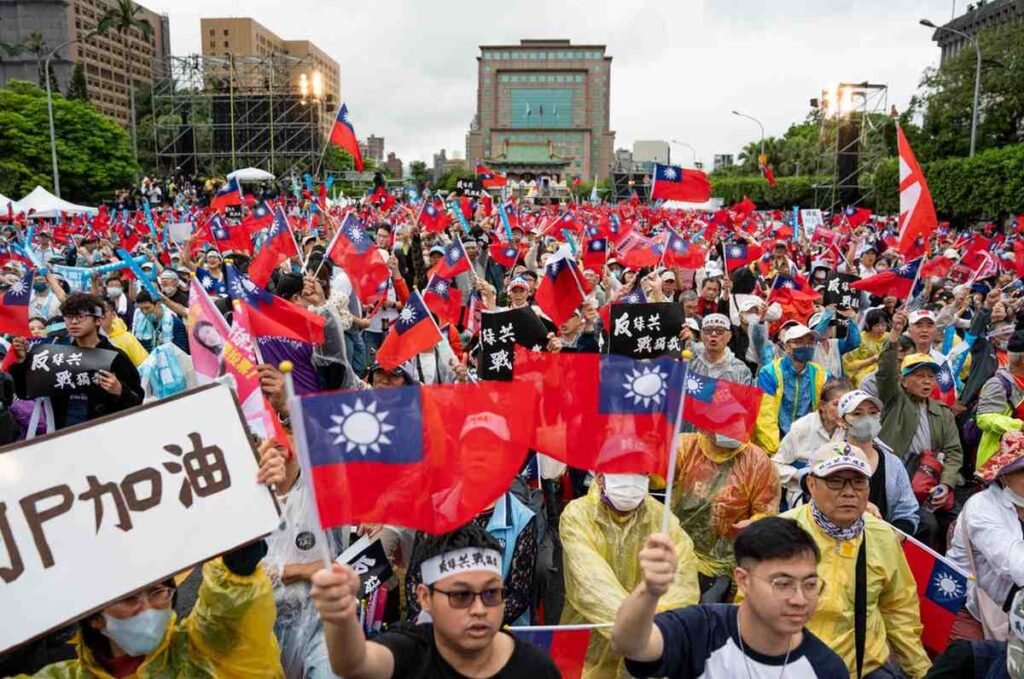
台湾の大規模罷免運動:私たちは彼らを選べても、罷免は決してできないのか?

台湾の大規模罷免運動:私たちは彼らを選べても、罷免は決してできないのか?

Kishou · Jul 24, 2025

一乗公益 寄稿 私たちは、世界の民主主義制度における深いレベルの改革というテーマに、引き続き注目していきます。 付録:台湾の罷免制度に関する10の修正提案 序論: 多くの民主主義国家において、国民は「投票で代表者を選ぶ」権利を持つ一方で、「任期中に罷免する」ことは極めて困難です。 これは偶然ではなく、制度設計に「内在する障壁」が組み込まれているからです。近年、台湾で相次いで発生した罷免運動を例にとれば、その制度が実際には機能不全に陥り、民意が制度的に冷遇され、政治的責任追及がほぼ不可能になっている様子が明確に見て取れます。 この背景には、より深い民主主義の問いがあります。 罷免権を持たない民主主義は、制御不能な委任に過ぎません。 有効な罷免メカニズムを持たない制度は、単なる見せかけの政治に過ぎません。 一、台湾における罷免の苦境:現実レベルの「合法的な無効化」 √ 事例1:陳柏惟氏の罷免案(2021年) × 事例2:黄捷氏の罷免案(2021年) × 事例3:鍾東錦氏の罷免案(2024年) これらの事例が示すのは、制度が罷免の道を開きながらも、実際には「罷免阻止の仕組み」を構築しているということです。 二、なぜ罷免制度は「形骸化」しているのでしょうか?台湾における5つの制度的障壁 1. 手続きが複雑で、ハードルが極めて高い 問題は、制度が「罷免」を専門的な闘争に変えてしまい、一般市民が関与しにくい点にあります。 2. 政党による乗っ取りと政治的二極化、罷免を「選挙戦の延長」に貶める 罷免の本質は制度の自浄作用であるはずが、政党が互いに攻撃する道具として利用されています。 3. 市民の動員構造の解体、行動力が高度に分散 現代の民主社会では、個人は「自由」であると同時に「孤立」しています。 4. メディア環境の異質化、言論空間が「偽の民意」を生成 メディアはもはや市民の判断を導くのではなく、政党の方針を固めるのを助ける役割を担っています。 5. 罷免後の制度的な後始末がなく、市民が混乱を恐れる 市民が求めるのは「責任ある是正メカニズム」であり、混乱後の政治の空転ではありません。 三、民主主義には「完全な罷免制度」が不可欠です もし民主主義が公共の列車だとすれば、選挙は乗車であり、罷免はブレーキです。 ブレーキシステムを持たない民主主義は、自由な制度ではなく、制度的な制御不能に陥っています。 ▶ 完全な罷免制度は、以下の5つの要素を含むべきです。 構成要素 機能 台湾の現状 改善提案 ① 容易な発動 市民が発起でき、政党の支援は不要であるべきです。 極めて高いハードルです。 第1段階のハードルを0.5%にまで引き下げます。 ② 公正な審査 署名、資格、公文書のプロセスがすべて公開されるべきです。 行政権による審査が曖昧です。 超党派の独立罷免委員会の設立。 ③ 政党による操作の排除 […]

台湾大罢免:我们能选他们,却永远罢不掉他们?

台湾大罢免:我们能选他们,却永远罢不掉他们?

Kishou · Jul 24, 2025

一乘公益 出品 我们将持续关注世界民主制度的深层改革议题。 附:台湾罢免制度的十大修正建议 引言: 在多数民主国家,人民拥有“投票选人”的权利,却极难“中途罢人”。 这不是偶然,而是制度设计上的“内建屏障”。以台湾近年来接连爆发的罢免案为例,我们可以清晰地看到:罢免制度在操作上几近瘫痪,民意被制度性冷处理,政治责任几乎无法追究。 这背后,是一个更深刻的民主命题: 没有罢免权的民主,是失控的授权; 没有有效罢免机制的制度,只是表演性的政治。 一、台湾的罢免困局:现实层面的“合法无效” 案例1:陈柏惟罢免案(2021) 案例2:黄捷罢免案(2021) 案例3:钟东锦罢免案(2024) 这些案例说明:制度虽开罢免口子,实际却构建了“防罢免机制”。 二、为什么罢免制度“名存实亡”?台湾的五重制度性障碍 1. 程序复杂,门槛奇高 问题在于:制度把“罢免”变成了专业战争,普通人难以介入。 2. 政党绑架与政治极化,令罢免沦为选战延长线 罢免的本义是制度自清,却被政党当作政治互打工具。 3. 民众动员结构解体,行动力被高度分散 现代民主社会里,个体虽“自由”,但“孤立”。 4. 媒体生态异化,言论空间制造假民意 媒体不再引导公民判断,而是在协助政党定调。 5. 罢免之后,无制度性善后,导致民众恐惧动荡 民众需要的是“负责任的纠错机制”,不是混乱后的政治空转。 三、民主必须有“完整的罢免机制” 如果民主是一辆公共列车,选举是上车,罢免就是刹车。 一个没有刹车系统的民主,不是自由的制度,而是制度性失控。 ▶ 完整的罢免机制应包含五个构件: 构件 功能 台湾现状 优化建议 ① 易启动 民众能发起,无需政党支援 极高门槛 降低第一阶段门槛至0.5% ② 公正审查 联署、资格、公文全程公开 行政权审查模糊 建立跨党独立罢免委员会 ③ 非政党操控 去党化动员 政党完全主导罢免动员 限制政党使用行政资源介入罢免 […]

read more

Related Content

Beyond Prevention: Creating a Supportive Network to Combat School Bullying
Avatar photo
Daohe · Nov 4, 2024
In recent years, there has been a growing amount of research and practices regarding the prevention and solution of school bullying, from the application of restorative justice to teaching the children emotional management and conflict resolution. While these efforts all contribute to reducing the phenomenon of school bully, they cannot compare with a systematic response […]
Shaping Children’s Mindset: The Power of Love and Experiences
Avatar photo
Daohe · Oct 23, 2024
A child’s growth is not merely about physical development. It’s more about the extension and growth of their thinking and perception. When it comes to education, we often focus on accumulating knowledge and help children develop concrete and abstract thinking skills to better study knowledge. However, gaining knowledge is not the whole picture of cognitive […]
Learning and Career Success
Avatar photo
Daohe · May 2, 2024
Education has traditionally been seen as a gateway to job opportunities, but it falls short in today's fast-changing world. In the modern workforce, employment is a platform for continuous learning and professional development, offering hands-on experience, problem-solving, collaboration, and opportunities for growth and innovation.
The Catastrophic Consequences of Test-Oriented Education in the AI Era
Avatar photo
Daohe · Jan 30, 2026
Preface: As AI Illuminates the Future, Humanity Retreats The artificial intelligence revolution should herald a “singularity” moment for human civilization—a time when knowledge becomes nearly free, tools amplify human capability exponentially, and individual creativity emerges as our most valuable asset. Yet a profound irony unfolds before us: while machines evolve at breathtaking speed, our educational […]
View All Content