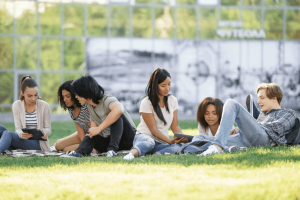
Social Quality Education Will Break the Monopoly of Knowledge and Education and lead to a Shared Future

Avatar photo
Daohe · Oct 29, 2024
In recent decades, education has gradually shifted from traditional book-based learning to technology-based education, with the rise of artificial intelligence adding to the momentum. Knowledge is now easier to access, and global democratization is becoming more evident. In this context, focusing solely on the gaining of knowledge and skills no longer meets future needs. There […]

In recent decades, education has gradually shifted from traditional book-based learning to technology-based education, with the rise of artificial intelligence adding to the momentum. Knowledge is now easier to access, and global democratization is becoming more evident. In this context, focusing solely on the gaining of knowledge and skills no longer meets future needs.

There is growing support for breaking the monopolies on knowledge and education, leading to the rise of social quality education. This approach not only focuses on knowledge but also on cultivating civilization values, cultural awareness and social responsibility in the next generation.

In the past, limited access to knowledge gave rise to a “knowledge elite”. However, in social quality education, knowledge is considered a foundational guarantee, but no longer the main focus. Education’s focus has shifted from simply accumulating knowledge to applying it, fostering critical thinking and problem-solving skills. The goal is to build a strong knowledge base while preparing students to think critically and adapt to future challenges.

The major difference between social quality education and traditional education is its emphasis on civilization values. It helps students develop rational views on freedom, democracy, justice, and equality, showing how these values impact both individual and societal well-being. This understanding enables students to make informed decisions and balance personal and collective interests in complex situations.

Based on the incorporation of civilization values, social quality education takes cultural education a step further by expanding students’ perspectives and encouraging an appreciation for diversity and respect for different cultural backgrounds. Beyond knowledge acquisition, it aims to cultivate a love for oneself, others, and the world, helping students understand and engage with a multicultural society.

This cultural insight broadens their horizons and strengthens their cross-cultural communication skills, preparing them to actively contribute to social progress and the development of the global community in their future personal and professional lives.

Quality education will break the monopoly on education through diverse and personalized learning methods. It promotes resource-sharing across regions, ensuring students in underserved areas access quality education, while also addressing economic inequalities through tailored learning paths and support systems. By encouraging online learning, community education, and vocational training, it adapts to regional needs and reduces reliance on limited markets. Ultimately, it seeks to bridge the technology gap and provide equal opportunities for all, fostering a more open and inclusive education system.

As quality education is implemented, social structures will transform. Leaders with a civilizational perspective will better address complex challenges and drive sustainable development. Future leaders will combine knowledge and skills with strong social responsibility and ethical judgment, caring for others and recognizing the importance of social progress for collective well-being. They will focus on diverse collaboration and shared success, fostering dialogue between cultures and contributing to a more just and peaceful world.

In conclusion, the rise of social quality education will mark the end of knowledge and educational monopolies. As knowledge becomes more accessible, quality education shifts its focus to cultural and civilizational development, nurturing the next generation with social responsibility and a humanistic perspective. This educational model not only transforms the nature of learning but also lays the foundation for a shared, win-win future. In such a future, everyone will have the opportunity to grow and develop through education, leading to a more prosperous and just society.
Share this article:
LEARN MORE

Continue Reading

東洋中国に根付く「臆病教育」と「野蛮教育」が、世界に投げかける警鐘とその害悪

東洋中国に根付く「臆病教育」と「野蛮教育」が、世界に投げかける警鐘とその害悪

Master Wonder · Jun 9, 2025

1. ルーツを探る:なぜ東洋社会、特に中国では「臆病教育」と「野蛮教育」が生まれやすいのか? この二つの歪んだ教育現象を本当に理解するには、表面的な出来事や一部の親・学校のせいにするのでは足りません。視点を東洋文明――とりわけ、中国が数千年以上長く続けてきた「中央集権」の人間管理メカニズムまで遡らせる必要があります。 中央集権のもとでは、個人の運命は権力と強く結び付き、少しでも異を唱えれば一家ごと滅びる危険さえありました。こうした極限状況が続く中、人びとは次の二つの極端な生存戦略を学び取ります。 こうした人格特性は、家族観念・しつけ・教育制度・社会規範・世論空間を通じて世代を超えて受け継がれ、民族的な性格へと内面化していきました。 そのため、人々は子供のごろからこのような教育を受けてきました: もしくはこのように教えられてきました: こうして、東洋社会――特に中国では「臆病教育」と「野蛮教育」という両極端の人格が生まれやすい文明的土壌が形づくられてきたのです。 2. 社会生態の悪循環──「臆病教育」と「野蛮教育」はいかにして互いを育て合うのでしょうか? 表向きには「柔」と「剛」で相反しているように見えますが、実際にはお互いの温床となり、ともに勢力を広げていく関係になっています。 理由はきわめてシンプルです。 野蛮な側は、臆病な側の沈黙を必要とします。臆病な側は、野蛮な側の強権に寄りかかります。 臆病者は真実を語らず、公正を守らず、悪に抵抗しません。その沈黙が野蛮者をのさばらせます。一方で、野蛮者は暴力・コネ・権力によって反対の声を封じ、庶民をさらに臆病へと追い込みます。 その結果として―― こうしたシステム的な悪循環は、清朝の宮廷でも、現代のネット世論・職場・官界・資本市場でも、形を変えながら繰り返されています。 最も恐ろしい点は、「見かけ上は秩序が保たれているのに、内側では崩壊が進む」という偽りの安定に社会全体が絡め取られてしまうところです。 悪が咎められず、強権が好き放題を続け、誰もが保身に走れば、どれほど資源が豊富で規模の大きな社会でも急速にもろくなり、やがて瓦解してしまいます。 3. 文明レベルの危機──臆病社会と野蛮社会がたどる崩壊パターン 歴史を振り返りますと、ローマ帝国、オスマン帝国、清帝国、ソ連――いずれも崩壊へ向かった文明には共通のプロセスが見られます。 そして必然的に―― 臆病文化は道徳的な土壌を破壊し、野蛮文化は法治秩序を破壊します。二重の圧力にさらされれば、どれほど外見が強大でも、文明は急速に瓦解してしまいます。 もしこの文化が東洋で蔓延し続け、グローバリゼーションを通じて他文明へと伝播すれば、人類は世界規模で「共通価値の崩壊」「集団的臆病化」「暴力の拡散」という文明的な災厄に直面するでしょう。 四、現在の現実──中国式教育モデルは世界をどのように蝕んでいるのでしょうか? 中国式の「臆病教育」と「野蛮教育」は、次のような経路で世界の公共環境に浸透し、影響を与えています。 この文化的ウイルスの蔓延を食い止めなければ、世界的な統治崩壊、公共道徳の断絶、制度化された暴力の横行は避けられません。 五、未来の打開策──「気骨のある人格教育」で文明の底線を再構築しましょう 東洋、さらには世界文明を救う鍵は、臆病で世渡り上手で利己的で権力崇拝型の人材を増やすことではありません。求められるのは、原則・責任感・気骨を備えた人を育てることです。 これこそが教育の究極的使命です。 今後の教育改革の重点は以下のとおりです。 これらを実行してはじめて、気骨と責任を備えた人格が再建され、公正な価値観が復活し、文明は臆病と野蛮に飲み込まれずに済みます。 最後に 東洋中国式の臆病教育と野蛮教育は、東洋だけの問題ではなく、人類文明全体に潜む大きな危機です。 今日気づかなければ、明日には世界規模で秩序が崩壊し、社会がシニカルに、制度が暴力的に、正義が枯渇してしまうでしょう。 気骨と責任こそが文明を永続させる源です。 人格に骨があれば社会に秩序が生まれ、骨気を失えば文明は滅びます。本稿が警鐘となり、少しでも多くの方に響くことを願っています。

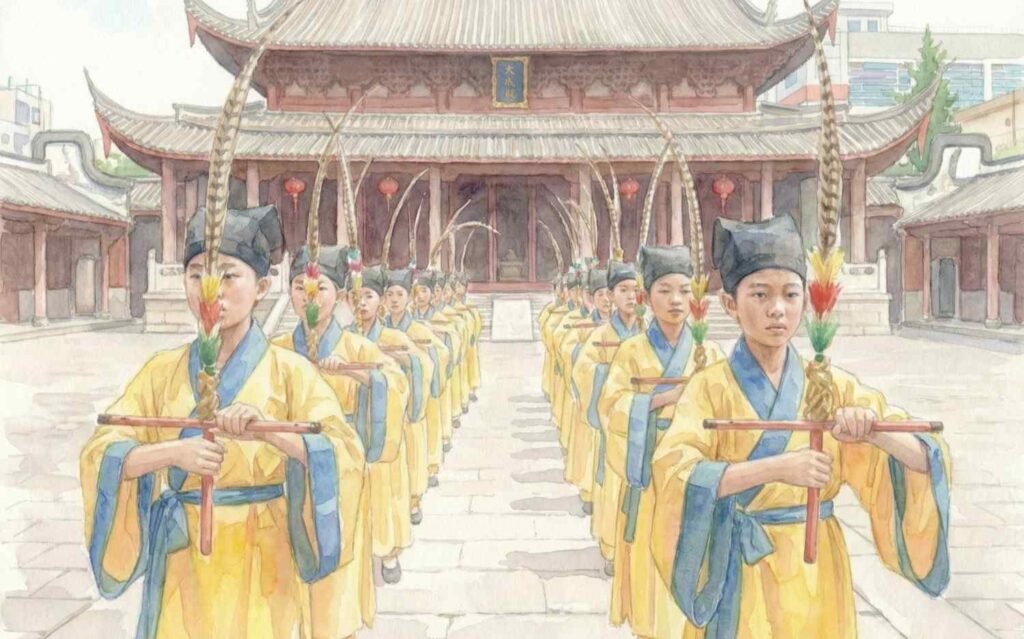
东方中国式的懦夫教育与野蛮教育,对世界的警示与伤害

东方中国式的懦夫教育与野蛮教育,对世界的警示与伤害

Master Wonder · Jun 9, 2025

一、根源透视:为什么东方社会尤其中国,格外容易诞生“懦夫教育”与“野蛮教育”? 要想真正理解这两种畸形教育现象,不能只看表面,更不能归咎于个别父母或学校,而必须回到东方文明特别是中国千年集权文化的人性管理机制里去。 长期中央集权制下,个体命运与权力高度捆绑,稍有异议,即可能祸及全家、灭顶之灾。在这种极端环境里,聪明人学会了两种极端生存策略: 这两种人格特质,长期通过家族观念、家教理念、教育制度、社会规训、舆论场环境,代际传递,内化成一种民族性格。 于是,一个人要么从小被教育: 要么被教育: 这正是东方社会,尤其中国,格外容易诞生懦夫教育与野蛮教育双极人格的文明心理学土壤。 二、社会生态恶性循环:懦夫教育与野蛮教育如何互相成全、彼此助长? 这两种教育,看似一软一硬、彼此对立,实则互为温床,彼此成全。 为什么? 因为野蛮者需要怯懦者的沉默,怯懦者需要野蛮者的强势。 怯懦者不敢说真话,不敢主持公道,不敢抗争恶行,于是助长了野蛮者的猖狂;野蛮者依仗暴力、关系、权力压制反对声音,又进一步迫使普通人更加怯懦。 结果: 这就是一种系统性恶性循环,无论是古代大清朝廷,还是现代互联网舆论场、职场、官场、资本市场,皆无例外。 这种结构性问题最可怕之处在于,它让整个社会进入一种“表面有秩序,实则内耗崩塌”的虚假稳定状态。 当恶行可以不受制约,当强权可以为所欲为,当人人只求自保而无担当,那么再多资源、再大体量的社会,也会迅速脆化,直至崩塌。 三、文明层面危害:懦夫社会与野蛮社会的崩溃规律 纵观文明史,从罗马帝国、奥斯曼、清帝国到苏联,凡是崩溃的文明,几乎都符合一个共同规律: 最终: 懦夫文化摧毁道德土壤,野蛮文化摧毁法治秩序,双重夹击之下,任何表面强大的文明都会迅速瓦解。 今天,若这种文化继续在东方泛滥,并借助全球化向其他文明输入,未来人类社会将面临全球性公共价值崩溃、集体怯懦化、暴力泛化的文明灾难。 四、当下现实体现:中国式教育模式正如何祸害世界? 目前,中国式懦夫教育与野蛮教育,正通过以下几种方式,渗透并影响全球公共环境: 如果不遏制这种文化病毒式扩散,全球性社会治理失控、公共道德断裂、制度性暴力泛滥将成为必然。 五、未来破局之道:恢复血性人格教育,重建文明底线 真正能挽救东方文明乃至世界文明的,绝非继续培养更多聪明怯懦、圆滑世故、唯利是图、权力崇拜的人,而是培养有血性、有原则、有担当、有骨气的人。 这才是教育的终极使命。 未来教育改革重点: 唯有如此,才能重建血性人格、勇气担当,恢复公正价值,保障文明不被怯懦与野蛮所吞噬。 结语 东方中国式的懦夫教育与野蛮教育,不只是东方社会的问题,而是全人类文明未来的一场潜在浩劫。 今日若不警觉,明日便是全球性秩序失控、社会犬儒化、制度暴力化、正义枯竭化。 血性担当,才是文明生生不息之本。 人格有骨,社会有序;骨气断绝,文明即亡。 希望有此文,为世人敲钟。

read more

Related Content

The Gap in Education is the Gap in Civilization
Avatar photo
Daohe · Nov 4, 2024
Thinking on Education Gap Introduction Throughout different historical periods, disparities in education have consistently reflected gaps in civilization. Education is the cornerstone for shaping the qualities of individuals, building social culture and values, and driving technological innovation. Differences in educational levels directly affect the degree of civilization within a society. A review of human history […]
The Catastrophic Consequences of Test-Oriented Education in the AI Era
Avatar photo
Daohe · Jan 30, 2026
Preface: As AI Illuminates the Future, Humanity Retreats The artificial intelligence revolution should herald a “singularity” moment for human civilization—a time when knowledge becomes nearly free, tools amplify human capability exponentially, and individual creativity emerges as our most valuable asset. Yet a profound irony unfolds before us: while machines evolve at breathtaking speed, our educational […]
Shaping Children’s Mindset: The Power of Love and Experiences
Avatar photo
Daohe · Oct 23, 2024
A child’s growth is not merely about physical development. It’s more about the extension and growth of their thinking and perception. When it comes to education, we often focus on accumulating knowledge and help children develop concrete and abstract thinking skills to better study knowledge. However, gaining knowledge is not the whole picture of cognitive […]
Education should not be limited only in school or in class
Avatar photo
Daohe · May 11, 2024
Education has traditionally focused on individual success and competition. The future of education, however, will emphasize collaboration, diversity, and inclusivity. It will shift from a self-centered approach to one that celebrates collective contributions and social impact, empowering individuals to actively shape a better society through their unique talents and strengths.
View All Content