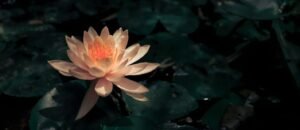
Every living being has its own unique wisdom

Avatar photo
Daohe · Jan 13, 2025
Each soul has its seed of wisdom. Do not hold arrogance over personal knowledge. All understanding grows from awareness, and understanding blossoms into wisdom in due time. —— Master Wonder All beings possess their own inherent awareness. One should not forcefully impose their own intelligence as superior. Understand that every being awakens through awareness, grows […]

Each soul has its seed of wisdom. Do not hold arrogance over personal knowledge. All understanding grows from awareness, and understanding blossoms into wisdom in due time.

—— Master Wonder

All beings possess their own inherent awareness. One should not forcefully impose their own intelligence as superior. Understand that every being awakens through awareness, grows through understanding and will ultimately attain wisdom and enlightenment. This is a maxim about wisdom, equality, and awakening. It reminds us to respect the wisdom inherent in all life, to discard self-centered arrogance, and to view the growth and enlightenment of all beings with compassion and trust.

The essence of wisdom lies in equality

Every life in the world, regardless of its circumstances or status, possesses its own inherent wisdom. Some may live their lives in obscurity, but their insights into life are profound and sincere. Others may appear ordinary, yet they can perceive the mysteries of all things with a soft and receptive heart. This wisdom is not defined by external achievements or the amount of knowledge one possesses, but is rooted in the inherent nature of all beings.

As the ancient saying goes, “Where three people walk, there is one I can learn from.” Wisdom is not the exclusive privilege of a few, but a hidden treasure waiting to be discovered in every person. When we learn to let go of our sense of superiority and instead observe, listen, and learn, we can truly appreciate the profound and expansive wisdom inherent in all beings.

Arrogance is an obstacle to wisdom

Humans often fall into a misconception due to their inflated ego—believing that their wisdom is superior to others and that their perspectives are the only correct path. However, such arrogance not only limits their own growth but also hinders the blossoming of others’ wisdom.

True wisdom is not about judging and imposing one’s own standards, but about understanding how to treat every individual equally, respecting their uniqueness and their path of growth. Just as seeds require suitable soil and sunlight, the wisdom of all beings also needs the right environment to sprout and flourish. If one insists on imposing their own understanding from a self-centered perspective, it will only lead others into confusion or resistance, rather than genuine enlightenment.

Awareness leads to understanding, and understanding gives rise to wisdom.

Wisdom is never an overnight achievement, but rather a gradual process that moves from innate “awareness” to “understanding,” and then from “understanding” to “wisdom.”

Awareness is the inherent potential within all beings. It is like an unpolished gem, concealed within, yet brimming with infinite possibilities.

Understanding is the perception and recognition of the world. Through learning, observation, and experience, beings gradually transform their innate awareness into tangible knowledge and skills.

Wisdom is the elevation of understanding—a deep insight into and enlightenment about the essence of life. It goes beyond surface-level knowledge, becoming an intuitive, profound insight and realization.

This is precisely why we should view the growth of all beings with tolerance and patience. Everyone has their own time of growth and path. Perhaps today they have not yet fully grasped the truth, but that does not mean they lack the potential for enlightenment. Just as flowers bloom at different times, the blossoming of wisdom also requires its own specific timing and process.

Respecting the enlightenment of all beings

Buddhism often says, “All beings have Buddha-nature.” This not only means the equality of all beings, but also points to the inherent potential for enlightenment within each life. Regardless of their current state, all beings will ultimately arrive at their own state of awakening through their own path.

This does not mean we need not help or guide them, but rather reminds us that when helping others to awaken, we must do so with a compassionate and wise heart. True guidance is to inspire others to discover their own wisdom, rather than imposing our own understanding upon them.

Respecting the enlightenment of all beings is a profound trust in life and a humble acceptance of the laws of cause and effect. For this reason, we need to believe that every being has the capacity to attain enlightenment and let go of the obsession with rushing for immediate results. We should accompany them with patience and guide them with wisdom, allowing them to awaken to their own understanding in their own time and rhythm.

Conclusion

“Each soul has its seed of wisdom. Do not hold arrogance over personal knowledge. All understanding grows from awareness, and understanding blossoms into wisdom in due time.”

This sentence reminds us not to presume to judge by our own intelligence, but to treat every life with humility and compassion. The wisdom of all beings is like countless stars, perhaps some are still unlit, but they all have the potential to light the night. What we can do is become part of that sky, creating space and support for the blooming of their wisdom.

In the end, whether it is day or night, every life will, on the journey of wisdom, find their own path to light. And we, too, will understand the true meaning of wisdom through respect and companionship.

Share this article:
LEARN MORE

Continue Reading

孝道の真の解釈:「孝正」と「孝愛」

孝道の真の解釈:「孝正」と「孝愛」

Daohe · Jul 27, 2025

一、はじめに:なぜ今、孝道を再解釈する必要があるのか? 変化の激しい現代社会において、「孝道」という古(いにしえ)の言葉が、今、かつてない問い直しを迫られています。一部では、今なお家庭倫理の根幹をなす美徳として尊ばれる一方で、誤用や濫用によって、子の自由を奪い、個人の成長を押しとどめる「感情の枷」と化している側面もあるのです。 「孝」のあり方が歪んでしまうのは、多くの場合、伝統そのものではなく、伝統に対する誤解に根差しています。 もし私たちが今、「孝道」の本来の意味と現代における価値を見つめ直さなければ、「孝」はともすれば「盲目的な追従」や「思考停止の献身」といった罠に陥り、本来持っていたはずの道義や温もり、そして知恵までをも失いかねません。私たちは、ある事実を真正面から見つめる必要があります。孝道とは、封建時代の遺物でもなければ、絶対的な服従を強いるものでもありません。それは知恵に裏打ちされた道であり、人と人とが深い絆で結ばれるための、倫理的な指針なのです。 二、「孝」とは「言うことを聞く」ことでも「犠牲」でもなく、ましてや「忍辱負重」ではない 1. 思考停止の孝行の現れ:個人の犠牲によって家族の調和を得ようとすること 「孝」とは「自己犠牲」のことだ、と思い込んでいる人たちがいます。親が何かを欲すれば、子は無条件に差し出さねばならず、親が何かを言えば、子は一切を疑わずに従わなければならない、と。 こうした「思考停止の孝行」は、子が精神的に未熟で、一個の人間としての人格を確立する前に、特に顕著に見られます。そこでは、親の権威ばかりが絶対視され、子の人格がないがしろにされてしまうのです。 例えば、結婚を親に決められ、志した道を無理やり変更させられ、道徳を振りかざした要求で心を縛られるといったことは、かつての社会では後を絶ちませんでした。甚だしきは、「父の仇を討つ」「母の借金を返す」といったことまでが当然視され、「孝」は心からの責任感の発露ではなく、倫理を盾にした暴力へと成り果ててしまうのです。 2. 盲目的な孝行(愚孝)の深い害悪:是非を弁えず、境界線を知らないこと 「盲目的な孝行」は、「思考停止の孝行」がさらに一歩進んだものと言えるでしょう。その本当の恐ろしさは、道徳を盾に、道理にもとる行いすら是としてしまう点にあります。親自身の振る舞いが、例えばアルコール依存、家庭内暴力、ギャンブル、偏執といった誤ったものであっても、子は「孝」の教えを言い訳に沈黙し、理不尽を受け入れ、自ら進んで傷つくことさえ厭わなくなります。 そのような「孝」は美徳ではありません。それは、自ら目覚めようとせず、成長しようとせず、自立しようとしない、臆病さの裏返しに他ならないのです。 三、「孝正」:是非を明確にし、道理と境界を持つこと 1. 孝道の第一は「正」にある。正義、正理、正しき心 孔子の言葉に「父母に事(つか)うるには幾(ひそ)かに諫(いさ)め、志の従われざるを見ては、又敬して違(たが)わず、労して怨みず」とあります。これは、孝の道の本質が盲従ではなく諫言にあること、愚かな忠誠ではなく理性にあることを示しています。 真の「孝」は、まず「正しき念、正義、正性、正道」という土台の上に築かれるべきものです。「孝」とは判断力を手放すことではなく、理性によって愛を支えること。親の言うこと全てに従うのではなく、愛と諫言との間で、知恵ある均衡点を見出すことなのです。 したがって、「孝正」の核心は「耐え忍ぶ」ことではなく、「守る」ことです。親への敬意を失うことなく、同時に、真理と正義に対する自らの信念をも守り抜く。それが「孝正」です。 2. 「孝正」とは「お仕えする」ことではなく、「恩返し」を意味する 「孝」とは、単に身の回りの世話をしたり、言いなりになったりすることではありません。むしろ、自立した能力をもって親の恩に報いる「反哺(はんぽ)の孝」を指します。この恩返しとは、感情に訴えて養育の恩に報いさせるのではなく、子が成熟し、責任感を持ち、知恵を働かせることで、親の余生を穏やかなものにすることです。 ですから、真の「孝正」とは、親に安心を与え、家庭をより良いものにし、そして自分自身が一人の人間として大成することに他なりません。 四、「孝愛」:慈悲の心、物を潤して声なし 1. 「孝愛」の本質:生命間の深い感情的なつながり 「孝愛」は孝道の魂と言うべきものです。愛を欠いた「孝」は、魂の抜け殻です。決まり事ばかりで心の通わない「孝」は、冷たい儀式にすぎません。 愛とは、生命そのものを慈しむ心に他なりません。例えば、年老いた親が抱える孤独や寂しさ、気後れや弱さに気づいた時、文句一つ言わずに寄り添い、見守ること。人前では親の短所を口にせず、陰でそっとその心残りや過ちを補ってあげること。幼い日に彼らが手を引いてくれたように、老いた彼らの手を引き、一歩一歩を支えてあげること。 2. 愛とは「機嫌を取る」ことではなく、慈悲と知恵が共存すること 多くの人が、愛を親の機嫌を取り、その願いを一つ残らず叶えることだと勘違いしています。しかしそれは、結果的に親を甘やかし、道を踏み外させ、理不尽な人間にしてしまう誤った行いです。 真の「孝愛」とは、仏典に説かれる「慈悲の心をもって衆生に施す」という姿勢に似ています。慈悲とは大いなる知恵そのものであり、相手を甘やかすことではなく、正しい方向へ導く力です。それは抑圧ではなく、相手の魂を育む力です。親に対しても、それは同じなのです。――深く慈しみ、同時に、その尊厳と成長を守り続けること。 五、儒教・仏教・道教における「孝」の知恵の融合 これら三つの教えは、いずれも「孝」を中核に据えながらも、その最終目標は親への「服従」ではなく、親の心身が煩悩などから解放され、安らぎを得て、その心が満たされることにありました。 六、現代的視点における「孝」:負担ではなく、共生 1. 現代の挑戦:世代間の価値観の対立 社会のテンポが加速し、情報が爆発的に増え、文化が多様化する現代において、親と子の間には深刻な認識のズレや世代間の溝が生まれがちです。かつての伝統的な孝道のあり方は、あまりにも生活環境が変わり果てた現代には、もはや適合しなくなっているのです。 新しい時代の中で「孝」という価値観を育み続けるには、孝道そのものの再教育、再構築、そして新たなエンパワーメントが不可欠です。これは、国家、家庭、教育が一体となって取り組むべき、社会的なプロジェクトと言えるでしょう。 2. 共生の孝道:互いに敬い、共に成長する 孝道が目指すべき最終的な姿、それは世代間の「共生」に他なりません。どちらか一方がもう一方の運命を支配するのではなく、互いに成長させ、理解し、尊重し合う関係です。 子が独立した人格、温かい心、そして揺るぎない自己を確立して初めて、親に真の安心をもたらすことができます。そしてそれこそが、最も真実の「孝」の姿なのです。 結び:孝とは、文明の温度であり、心の成熟度を示すもの ある社会の文化的成熟度は、林立する高層ビルの数で測れるものではなく、世代間の心の交流をいかに育み、「孝」の知恵に満ちた本質を理解しているかで測られます。 「孝」は、過去と未来をつなぐ架け橋であり、家庭を支える礎であり、社会の調和を生み出す中心的な力です。 しかし、その力は理性と慈悲の原点に、すなわち「孝正」と「孝愛」に立ち返らなければなりません。「孝」とは、抑圧でも、蒙昧でも、感情的な駆け引きでもありません。それは内なる目覚めと成熟の証であり、心と知恵の開花なのです。 さあ、共に「思考停止の孝行」という深い霧を抜け、「盲目的な孝行」という罠を乗り越えていきましょう。そして、新しい時代にふさわしい、私たち自身の世代のための孝道を、共に築き上げていこうではありませんか。  

孝道的正确解读:孝正与孝爱,非愚者所能传

孝道的正确解读:孝正与孝爱,非愚者所能传

Daohe · Jul 27, 2025

一、启言:孝道为何必须重新解读? 在快速变化的现代社会中,“孝道”这个古老词汇,正面临前所未有的挑战。一方面,它仍然被部分人奉为维系家庭伦理的根本美德,另一方面,它也被误用甚至滥用,成为绑架子女自由、压抑个体成长的“情感枷锁”。 “孝”的扭曲,往往不是因为传统,而是因为对传统的误解。 今天,若我们不能重新梳理“孝道”的本义与当代价值,孝就极易滑入“愚孝”“傻孝”的深渊,失去其本有的道义、温度与智慧。我们必须正视:孝道不是封建残余,也不是绝对顺从,它是一种智慧之道,是人与人之间深度连接的伦理路径。 二、孝不是“听话”或“牺牲”,更不是“忍辱负重” 1. 傻孝的表象:以牺牲个体换取家族和谐 有些人以为“孝”就是“牺牲”:父母要什么,子女必须无条件给予;父母说什么,子女必须无保留顺从。这种“傻孝”最常出现在子女未成年心智、未建立独立人格时,父母权威被神化,子女人格被压制。 如婚姻由父母决定、志业被强行更改、情绪被道德勒索,这些在传统社会屡见不鲜。更有甚者,“为父报仇”、“为母还债”被视为当然之事,把孝从一种情感责任异化为伦理暴力。 2. 愚孝的深害:不辨是非,不知边界 愚孝是傻孝的升级版。它更为可怕之处在于,以道德之名行非理之事。父母如果本身行为失当,如酗酒、家暴、赌博、偏执,子女却因“孝”的教化而沉默不语、逆来顺受,甚至甘愿被伤害而不敢反抗。 这种“孝”,不是美德,而是一种不敢觉醒、不愿成长、不能自立的懦弱行为。 三、孝正:是非分明,有理有界 1. 孝道首在“正”,正义、正理、正心 孔子说:“事父母几谏,见志不从,又敬不违,劳而不怨。”意即:孝之道在于劝诫,而非盲从;在于理性,而非愚忠。 真正的孝,首先是建立在“正念、正义、正性、正道”的基础上。孝不是放弃判断力,而是以理性守护爱;不是顺从父母的一切,而是在爱与规劝之间找到智慧平衡。 因此,“孝正”的核心不是“忍”,而是“守”:守住对父母的尊敬,也守住自己对真理与正义的坚持。 2. 孝正也意味着“反哺”而非“服侍” 孝不仅仅是侍奉与顺从,更是一种有能力的“反哺”。这反哺,不是以“情绪勒索”来回报父母的养育之恩,而是以成熟、担当、智慧来护持父母的余生。 所以,真正的孝正,是做一个可以让父母安心、让家庭向上、让自己成材的人。 四、孝爱:慈悲之心,润物无声 1. 孝爱之本:生命之间的深层情感链接 “孝爱”是孝道之魂。脱离爱的孝,是空壳;只有规矩、没有情感的孝,是冷漠的仪式。 爱,是对生命本身的珍惜。是看到父母年老后的孤独、落寞、羞涩与脆弱时,那一份不带怨的陪伴与照拂;是在人前不揭父母的短,在人后默默修补他们的遗憾与错误;是他们年少时用手牵你走路,老年时你愿牵他们一步一脚。 2. 爱不是“讨好”,而是慈悲和智慧并存 很多人把爱理解为“取悦”、“满足”父母的每一个愿望,结果反而把父母宠坏、误导,变得不可理喻。这是错误的。 真正的孝爱,是如佛经所言:“以慈悲心施诸众生”。慈悲是大智慧,它不是纵容,而是引导;不是压抑,而是滋养。对父母亦是如此——慈爱他们的灵魂,也守护他们的尊严与成长。 五、儒释道对孝的智慧融合 三家皆以孝为核心,但其最高目标不是“服从”父母,而是使父母身心得到净化、安顿、升华。 六、现代视角下的孝:不是负担,而是共生 1. 当代挑战:代际价值观冲突 现代社会节奏加快,信息爆炸、文化多元,使得父母与子女之间常存在认知差距与代际裂痕。传统孝道模式已不适用于全然不同的生活环境。 要让“孝”在新时代继续生长,需要孝道的再教育、再建构、再赋能。这是一个社会性工程,需要国家、家庭与教育共同完成。 2. 共生的孝道:彼此敬重,共同成长 孝道的最终目标,是代际之间的“共生”:不是一方主导另一方的命运,而是相互成就、相互理解、相互尊重。 当子女拥有了独立人格、温暖的情感与坚定的自我时,他们才能真正给父母带来心安,也才是最真实的“孝”。 结语:孝,是文明的温度,是灵魂的成熟 一个社会有没有文化,不是看它有多少高楼大厦,而是看它能否安顿代际之间的情感流动,是否理解“孝”的智慧本义。 孝,是连接过去与未来的桥梁;是家庭稳定的基石,也是社会和谐的核心力量。 但这份力量必须回归理性与慈悲,回归“孝正”与“孝爱”。不是压迫,不是愚昧,更不是情感勒索,而是内心的觉醒与成熟,是心性与智慧的绽放。 让我们共同走出“傻孝”的迷雾,穿越“愚孝”的陷阱,在新时代,重建属于我们这一代人的光明孝道。

read more

Related Content

The Four Charming Stages of Buddhist Practice
Avatar photo
Master Wonder · Nov 9, 2024
This article explores four stages of Buddhist practice: entry stage, religious stage, soul practice, and spiritual practice. Each stage reflects the practitioner’s journey from personal awakening to the ultimate wisdom of selflessness and formlessness, emphasizing individual uniqueness, disciplined adherence to precepts, compassion for all beings, and profound self-realization. Together, these stages highlight the depth and inclusiveness of Buddhist teachings.
Pure dharma, the vessel to the other shore
Avatar photo
Master Wonder · Feb 5, 2025
Only by following the guidance of pure teachings can we build a strong and solid foundation for our practice, ensuring that our growth will lead us straight to enlightenment. This article was inspired by a conversation I had with a nun in a meditation hall, and I felt compelled to write it down. Spiritual practice […]
Esoteric Teaching: Human Decline and Consequences
Avatar photo
Master Wonder · Feb 9, 2025
Please be aware that this article was translated from Chinese.Do not behave like an animal; if you must, do not become a sinful beast. I. What is a “human”, an “animal”, or a “sinful beast”? A human is defined not just by their physical form, but by their character, wisdom, morality, responsibility, and spiritual cultivation. […]
View All Content