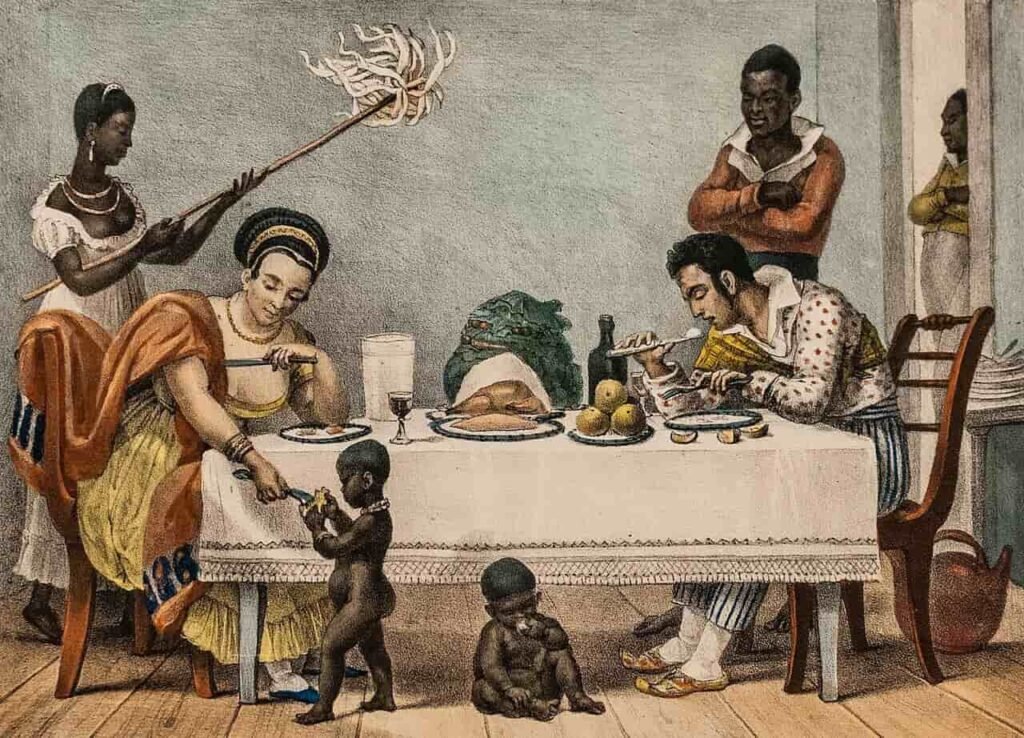
Throughout history, material progress has driven the flourishing of civilizations, social interactions have shaped cultural diversity, and the elevation of faith has led to the awakening of the soul. Yet today, society often focuses too much on material growth and technological advancement, while neglecting the importance of mental and spiritual beliefs. This imbalance has left us with a pressing question: in an age of unprecedented material wealth, why does happiness still feel so out of reach?
We must reassess the essence of our existence and recognize that humanity is not merely a being of material life. Our existence encompasses a social dimension and is also a vessel for mental pursuits and spiritual beliefs. Only when material, social, mental, and spiritual aspects are harmoniously unified can life be complete, and true happiness will finally take place.
I. Material life: a limited but essential foundation
Material life is the most basic dimension of human existence. It relates to survival, health, and living conditions. The creation and distribution of material resources meet our basic needs for food, shelter, and transportation. This also supports other aspects of life. However, limiting life to the pursuit of material wealth has clear drawbacks.
1. The ceiling of material satisfaction
In the early stages of human development, the scarcity of material resources drove social progress. To meet basic survival needs, humans relied on physical labor and evolving technologies to acquire resources and improve their environment. From hunting and gathering to agricultural societies, and from handicrafts to the Industrial Revolution, advancements in material conditions have always been a key force behind societal development.

However, as material wealth gradually accumulates, once a society reaches a certain level of material conditions, the marginal effect on happiness sharply declines. At this point, simply pursuing material abundance is no longer the path to happiness.
2. The Shortcomings of Material Pursuits
Material wealth is limited. It cannot provide answers to life’s deeper questions. No matter how much we accumulate, it cannot stop time, offer comfort after death, or fill the void inside. What’s even more troubling is that when we place material wealth at the center of our lives, we lose our sense of purpose and drift into a world without meaning. At the same time, those obsessed with material pursuits begin to lose their moral foundation, causing society to regress.
II. Social life: The first leap for humanity beyond material existence
Social life is what sets humanity apart from other species. We are not just isolated individuals but beings deeply connected with others, communities, and cultures. Social life allows us to share resources and collaborate in creation. It also provides the primary space where spirituality and beliefs are lived out in practice.
1. Social life as the source of identity
The meaning of individual life is often expressed through social roles. Our empathy, love, respect, and sense of responsibility all stem from our social connections. As parents, friends, workers, or members of society, we reflect on our inner selves through social interactions and discover our own value within relationships.
These connections also empower humanity with the ability to act collectively, allowing us to confront challenges together and celebrate shared victories and progress. Without social life, individual existence would be lonely and weak. Social relationships are more than practical cooperation—they are the bedrock of emotional and spiritual sustenance.
2. The soulful aspect of social life
Social life not only provides the conditions necessary to meet humanity’s basic survival needs, but more importantly, it shapes our spiritual world through mechanisms like culture, education, morality, and law. Society is not just a platform for resource distribution and an organization of productivity. It is also the birthplace of human thought, values, and belief systems.
For example, charitable activities are not only aimed at improving social conditions and addressing issues like poverty, illness, and inequality. When people participate in public welfare, they experience a sense of belonging to the broader society and can directly influence the lives of others, driving positive change in the community. The fulfillment that arises from this understanding cannot be quantified by material rewards.

III. Mental and spiritual beliefs: the core of human life
While material life forms the basis of our physical existence and social life connects us to one another, mental and spiritual beliefs lie at the very core of life. They go beyond mere survival and relationships, addressing the deeper meaning and value of our existence.
1. Mental awakening: the creation of meaning
Mental life leads humanity from a passive state of mere survival to an active creation of meaning. Our curiosity, longing for beauty and happiness, and our search for the meaning of life enable us to continuously expand our wisdom and build a better civilization. For example, we express our inner selves through art, ponder ultimate questions through philosophy, and explore the universe’s laws through science.
The pursuit of meaning is a reflection of mental life and the core trait that distinguishes humans from other species. Without mental life, humanity would be enslaved by materialism and lose the capacity to seek higher values.
2. Spiritual beliefs: an infinite guide beyond the limits
Spiritual beliefs are humanity’s response to death and the infinite. Whether it’s the path to eternal life in religion or the eternal truths in philosophy, these beliefs aim to transcend the limitations of time and space, offering humans a sense of higher-dimensional existence. This sense of existence allows people to tap into their true inner power.
Examples like compassion in Buddhism and the principle of loving others as oneself in Christianity go beyond moral guidance. They are profound practices of spiritual beliefs. Such beliefs connect the limits of human life to a greater sense of infinite purpose, bringing comfort and hope to our lives.
3. The practice of mind and faith: the elevation of social life
Mind and spiritual beliefs are not abstract concepts. They take form through social life. For example, charitable acts inspired by religion, educational pursuits rooted in philosophy, and the preservation of cultural heritage through art are all ways these ideas are practiced. They bridge the individual and the collective, turning the values of the inner world into real-world happiness and creativity.
IV. Material, social, mental, and spiritual: the path to unified life
The wholeness of human life lies in the unity of material, social, mental, and spiritual aspects, not in division or imbalance. Neglecting any one dimension leads to a life out of balance and hinders the realization of true happiness.
1. Material needs form the foundation, but not the core.
We should strive to create a richer material existence while recognizing that material resources are meant to support mental life and spiritual beliefs, not to become the ultimate purpose of our existence.
Humans possess thoughts, emotions, and beliefs. These elements, which go beyond the material realm, form the core of civilization. They guide us in contemplating good and evil, love and responsibility, and the ultimate meaning of life.
2. Society is the bridge that connects individuals with the community.
Social life allows humans to transcend loneliness. It gives us the ability to connect with one another, weaving individual lives together to create shared values and meaning. With the support of social structures, we not only fulfill our basic survival needs but also gain a sense of belonging, recognition, and opportunities for collective creation.
Society provides a rich soil for the practice of mental life and spiritual beliefs. In human interactions and collective efforts, spiritual values such as charity, justice, responsibility, and respect are passed on and deepened. The power of belief moves from individual hearts to collective action, becoming a driving force for societal progress.

3. Mental life and spiritual beliefs are the guiding forces that determine the height of life.
Mental life and spiritual beliefs allow humanity to transcend the constraints of material existence and relationships, guiding us to find the true meaning of life.
Belief adds depth and fulfillment to an individual’s life while offering society a stable foundation of moral strength and cultural values. Spiritual beliefs guide our conscience, teaching us to differentiate between right and wrong and to act justly. They inspire perseverance in the face of challenges and temptations, serving as a steadfast source of strength. It is through spiritual beliefs that we transcend selfishness, embrace responsibility, and strive for the collective well-being of society.
The inheritance and innovation of culture are also rooted in the value system provided by belief. From art and literature to laws and institutions, belief infuses society’s civilization with soul, transforming it from mere accumulation of material into a community with direction and warmth.
Conclusion
Humans are not just physical beings, but also social beings, with lives shaped by mental and spiritual beliefs. Material wealth alone cannot bring true happiness. It is only through the collective effort of society, the awakening of the mind, and the uplifting of spiritual beliefs that we can find the true meaning and fulfillment in life. In this complex world, each person must reflect on their existence, seek values that go beyond material things, and, through social connections and spiritual pursuits, allow their lives to shine like a star, emitting the light and warmth that are uniquely human.