
What is real success?

Avatar photo
Daohe · Oct 31, 2024
People are often obsessed with external standards of success, caught up in comparisons and competition, and view success as an end goal. However, for every human being, we are born successful. From the moment life first blooms, our life carries unique meaning and value. Regardless of wealth or status, our existence in this world is […]

People are often obsessed with external standards of success, caught up in comparisons and competition, and view success as an end goal. However, for every human being, we are born successful. From the moment life first blooms, our life carries unique meaning and value. Regardless of wealth or status, our existence in this world is an achievement in itself. Though we may sometimes feel discouraged by external standards in the rush of life, the miracle of simply existing somewhere and the meaning it holds are never dimmed by others. As we stand on this earth, every life holds unique value.

For a person in pursuit of happiness, success is a journey rich with experiences. Along this path, the journey itself often has a deeper meaning than reaching any destination. People yearn for happiness and self-realization, but happiness is not something gained in a single moment. Instead, it is often derived from experiences over time. In the warmth of family, the sweetness of love, the companionship of friendship, and the trials of hardship, one grows up and become a better person. At some point, one comes to realize that true happiness is not about what one achieves, but rather about how one perceives life and feel the world. This inner content is the greatest success on the path toward a fulfilled and joyful life.

For a person who is fighting for justice and resisting oppression, success means attaining the state of freedom and democracy. On this path, success is a difficult prize to win, accompanied by the pain of struggle and the persistence of never giving in. To the oppressed, success is not about fame or wealth, but about breaking free from injustice and overcoming restrictions to gain dignity and equal rights. Throughout history, countless individuals and groups have fought for freedom, not just for themselves, but also for humanity.

In the face of oppression and injustice, some people choose to speak out, to resist, and to advocate for freedom for ourselves and others. It is through the successes of these resistors that we witness the world gradually moving toward equality, respect, and freedom. As Nelson Mandela said, “I learned that courage was not the absence of fear, but the triumph over it.” On this path of resistance, success is finding the courage to overcome fear.

For a life endowed with civic rights, success is a commitment to society. When we have rights and the opportunities to articulate, true success goes beyond personal achievement. Real success lies in using our power to improve the state of society, to make changes that help make our communities, cities, nations, and even the world a better place.

This success is no longer about personal fulfillment but a commitment to others and to society. It’s an unselfish act that brings well-being to others rather than just a sense of individual accomplishment. As Gandhi said, “Be the change you wish to see in the world.” In striving for social progress, success is about continuously advancing the world toward greater civility and happiness.

So, what is success, and who is it for? It varies from person to person, not as a fixed point but as a dynamic process. It resembles an ever-growing historical masterpiece, transforming with each step of time. For some, it may mean a stable life with safety and content. For others, it could be profound self-realization or actions aimed at bringing happiness to others. Success is not only a personal triumph but a reflection of the times. There is no single definition of success—it is a unique and evolving journey for each individual.

Your attitude toward success and the goals you set will determine the direction of your life. Success is not a static endpoint but a process that transforms as our understanding and aspirations evolve. No matter material wealth,  spiritual freedom or societal progress, how we define and approach success shapes the kind of future we create for ourselves.

So, what does “success” mean to us today? In this age of globalization and information, success is no longer just about individual achievement, but rather a collective responsibility. Today’s success should embody the ideal of “complete citizenship for all humanity.” What does it mean to be a complete citizen? It transcends national identity and encompasses a global consciousness, representing social citizens or even global citizens. These individuals, regardless of geography or ethnicity, view the well-being and happiness of all humanity as a shared goal.

Our initiativeYicheng Commonweal is founded on this vision. Our success is not about personal glory. It is about the collective well-being and dignity of every individual. We are committed to advancing human civilization and social well-being, which is both our responsibility and our mission.

Real success is making every individual enjoy both joy and respect in this world.
Share this article:
LEARN MORE

Continue Reading

政府が少数者のために奉仕するときの二つの顕著な特徴

政府が少数者のために奉仕するときの二つの顕著な特徴

Daohe · Jul 29, 2025

市民意識の覚醒による制度進化、文明的思考による国家の再構築   序論:政府は誰のために奉仕するのか。それは技術的な問題ではなく、文明の立場を問う問題である。 どの世代も、一つの根本的な問いに直面します:国家という構造は、一体誰を代表しているのか? それは人民か、それともごく少数の特権階級か? もし政府が少数者に奉仕する道具へと成り下がったなら、その社会の統治ロジックは根本から歪みます。つまり、人民はもはや統治の「主体」ではなく、管理され、搾取され、操作される「資源」と化すのです この歪みが一度制度化されると、二つの特徴が現れます。これは全国民が強く警戒すべきものです。   特徴1:人民は雑に扱われ、権力による抑圧が常態化する 1. 「公共の権力」から「利益収奪マシン」への変質 本来、国民に奉仕すべき公共の権力が、ひとたび少数者に掌握されると、真っ先に起こる変化は――国民が「主人」から搾取される「資源」へと転落し、平等な尊厳を失い、繰り返し奪われるだけの利用価値しか持たなくなることです。 増税しても民生は改善されない:一部の国や地域では、庶民は重税に苦しんでいるにもかかわらず、医療、教育、住宅といった公共サービスは絶えず縮小され、「税金は払えるが、病気の治療も、子供の教育も、家の確保もままならない」という普遍的な苦境に陥っています。 資源配分が著しく偏る:政策は権力者や富裕層に傾き、住宅、土地、融資、公職といった重要な資源は高度に集中します。一般人は「対価を支払う者」ではあっても、決して「機会を得る者」にはなれません。 2. 権力は「強きを助け、弱きを挫く」。暴力的な統治の常態化 補償なき強制立ち退き、法的保障なき陳情者の拘束:一部の土地政策の執行において、強制立ち退きが頻発し、個人の抗議者は不法に拘束され、時には「行方不明」にさえなります。その一方で、「青信号」が出されるのは、決まって財閥のプロジェクトです。 庶民の声は汚名を着せられ、黙殺される:改善策を提案した一般市民は、しばしば「騒ぎを起こす者」というレッテルを貼られ、建設的な意見は抑圧されます。その結果、政策は自己修正のメカニズムを失っていきます。 3. 国民の尊厳が構造的に解体される このような統治ロジックの下で、「公民」は次第に「従順な民」へと退化し、人々は「自分は無力な存在だ」というアイデンティティを受け入れ始めます。そして社会全体に、無関心、無力感、そしてシニシズムが蔓延するのです。 政治制度がもはや国民の参加意識を喚起できなくなった時、腐敗と不正は例外的な事件ではなく、安定した日常となります。   特徴2:民生政策は反故にされ、制度自体が「国民の幸福」を嫌悪する 1. 民生政策は「選択肢」ではなく、「厄介なお荷物」となる 政府が少数者の利益に奉仕するなら、少数者の私益に反する政策はすべて、たとえ人民の幸福にどれほど有益であっても、軽んじられ、無視され、あるいは中止されます。 公教育、基礎医療、基礎的住居が「足手まとい」の代名詞に:例えば、一部の都市では不動産開発や企業誘致を優先する過程で、末端の教育や医療への投資が繰り返し削減され、農村の子供たちが「上を目指す道」を失っています。 政策立案者が現場を知らない:特権階級で生活する官僚は、庶民のニーズを理解しておらず、真に実行可能で地に足のついた政策を策定できません。彼らが民生を語るのは、単なる「言葉のレパートリーの更新」の一環に過ぎません。 2. 提案は「面倒事」と見なされ、提案者は「問題製造者」として扱われる 不採用、偽りの採用、恣意的な解釈:多くの民衆からの提案は合理的であるにもかかわらず、「非公式ルート」から来たという理由で無視され、甚だしきは改ざんされます。最終的には「形式主義」のパフォーマンスの小道具と化します。 市民参加が制度的に圧縮される:民間組織、世論による監視、議会制度は行政の独占に阻まれ、真の民生を反映する制度的なルートを欠きます。その結果、「目に見えるプロジェクト」ばかりが行われ、「真に改善をもたらす仕事」は行われなくなります。 3. 形式主義と空虚な言葉がまかり通る 政策语言越来越“漂亮”,实际操作越来越“残酷”。 “共建共享”、“为人民谋幸福”这类口号频繁出现,但落实上变成: 高齢者はDX化に戸惑う。 末端の幹部に「深夜まで書類仕事をさせる」。 弱者層を永遠に制度の抜け穴に閉じ込める。   なぜ彼らは人民の提案に耳を傾けないのか? 多くの人々は今なお、「いつかは良心に目覚めるだろう」という期待を抱いています。 しかし現実は、彼らは聞きたくないのではなく、聞く動機がなく、聞かなくても何のコストもかからないのです。 【一乗公益からの特注】:真の変革は、感傷を乗り越えた先見性と、断固たる行動から生まれます。 私たちは、機能不全に陥った制度や、正統性を失った権力に対し、沈黙や妥協ではなく、賢明な変革を追求することを呼びかけます。 世界の複雑さを前に、無垢な善意だけに頼る時代は終わりました。構造そのものを見抜く「文明の知性」をもって、未来への道を切り拓く時です。   1. 「民意を聞く」こと自体が、彼らの利益ロジックに合致しない 特権階級に奉仕する統治システムにとって、「人民の意見を聞く」ことは義務ではなく、脅威です。なぜなら、一度資源構造を改革し、特権の構図を打ち破れば、長らく利益を得てきた少数派グループは損失を被るからです。 2. 「人民」は制度設計の主語ではなく、操作可能な客体に過ぎない 人民は動員され、宣伝され、収穫され、犠牲にされることはあっても、 自主的な表現権、制度における発言権、資源の采配権を持つことは極めて難しい。 多くの権力者の視点では、人民は「主体」ではなく、「変数」なのです。 […]

警惕:政府为少数人服务的两个鲜明特征

警惕:政府为少数人服务的两个鲜明特征

Daohe · Jul 29, 2025

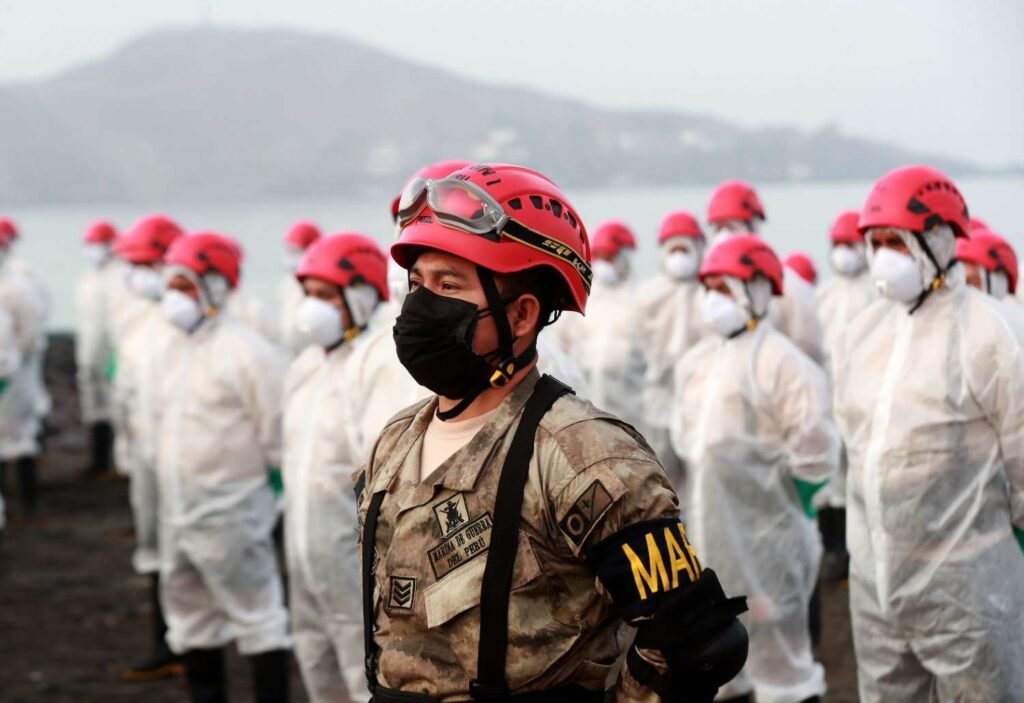
以公民觉醒推进制度进化,以文明思维重构国家方向 引言:政府为谁服务,不是技术问题,而是文明立场问题 每一代人都会面临一个根本性的问题:国家机器究竟代表谁? 是广大人民,还是极少数的特权者? 如果一个政府沦为少数人服务的工具,那么这个社会的治理逻辑就会发生根本性异化:人民不再是治理的对象,而是被管理、被压榨、被操控的资源。 这种异化一旦制度化,便会显现出两个极其鲜明的特征,值得全民高度警惕。 特征一:人民被视为草芥,权力以压迫为常态 1. 从“公共权力”蜕变为“利益机器” 本应服务人民的公共权力,一旦被少数人控制,最先发生的改变是——人民从“主人”变成“矿藏”,不再享有平等的尊严,而只剩被反复掠夺的利用价值。 2. 权力“护贵压贱”,暴力治理常态化 3. 人民的尊严感遭到结构性瓦解 在这种治理逻辑下,“公民”逐渐退化为“顺民”,人们开始接受“我就是无权者”的身份,而整个社会弥漫着冷漠、无力和犬儒主义。 一旦政治制度无法再激发人民参与感,腐败和不公就会稳定存在,而不是例外事件。 特征二:民生政策如厕纸,制度本身嫌弃“人民幸福” 1. 民生措施不是“可选项”,而是“被嫌弃的负担” 政府若服务于少数人利益,那么一切不利于少数人私利的政策,哪怕对人民福祉再有益,也会被贬低、忽视甚至中止: 2. 建议被视为“麻烦”,建言者被当成“问题制造者” 3. 形式主义与空话套话大行其道 为何他们不会听进人民的建议? 许多人仍然抱有一种天真的期待:“他们总会良心发现吧?” 但现实往往是:不是他们不愿听,而是没有动力听,更没有成本不听。 在这里一乘公益特别提示:不要浪费你的生命与智慧,与一群垃圾为伍。 该罢免就罢免,该反抗就反抗,该让他们扫地出门就出门,这是垃圾的唯一标准场地。到了垃圾场再分类,事先不要分类。 提前分类往往会受到情感支配,如“人之初,性本善”思维幻觉的影响。 1. “听民意”本身不符合其利益逻辑 对一个为特权者服务的治理体系来说,“听从人民意见”不是义务,而是威胁。因为一旦改革资源结构、打破特权格局,那些长期受益的少数集团将遭受利益损失。 2. “人民”不是制度设计的主语,而是可被操纵的对象 3. 所以他们也想不出真正可行的民生政策 这不是个人素质的问题,而是结构性冷漠。当一个政治系统长期脱离真实生活,不以人民福祉为反馈标准,便会形成“无能治理”: 历史镜鉴与现实映照:一切制度的兴衰都源于“为谁服务” 回顾人类历史,许多大国并非亡于外敌,而是亡于“制度内部腐朽”。 结语:制度的价值,不在于它说了什么,而在于它真正保护了谁 我们不能仅仅看制度有没有说“人民”,有没有讲“民生”,更要看它在运作层面,是否真正体现人民的权力,保障人民的尊严,改善人民的生活。 如果我们对“政府为谁服务”的根本问题保持沉默,那所有的改革都将成为掩盖问题的形式主义,而所有的未来,都可能继续重复悲剧。 一个真正的现代文明政府,不应该是为少数人设立的高塔,而应是为全民铺设的桥梁。   Photo By Galería de fotografías del Ministerio de Defensa

read more

Related Content

The Significance and Value of Enhancing Civilizational Awareness for Humanity
Avatar photo
Yicheng · Oct 23, 2024
Enhancing civilizational awareness is essential for all of humanity. Civilization serves as a symbol of social progress and reflects the elevation of human intellect, culture, and behavior, shaping our lifestyles, social structures, and the future of the world. Its essence includes the accumulation and advancement of morality, law, culture, and technology, all of which together […]
The Two Sides of Living: Democracy or Slavery
Avatar photo
Yicheng · Mar 28, 2025
To be human is not just about biological survival, but about the growth of our spirit and soul. However, the meaning of “living” varies greatly at different stages of history and civilization. Some live in fear, oppression, and deception, simply striving to survive in chaotic times, indifferent to right or wrong. Others live in awakening, […]
Life’s Three Levels and Three Mindsets
Avatar photo
Daohe · Oct 23, 2024
  On the journey of life, everyone faces different choices and pursuits, which often reflect their mindset and level of existence. People can be categorized into three different types based on the way they think. There are three different mindsets among people: the Grassroot Mindset, the Elite Mindset, and the Extraordinary Mindset. Each mindset has […]
View All Content