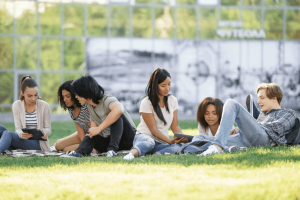
Self-discovery involves understanding ourselves, others, and the world around us

Avatar photo
Yicheng · Oct 23, 2024
In today’s world, where information is overwhelming, it’s easy to feel lost and confused. We’re all trying to find our way, looking to understand ourselves, others, and the world around us. But this process isn’t something that happens overnight. Instead, it takes a lot of time and reflection. In this column, we will share conversations […]

In today’s world, where information is overwhelming, it’s easy to feel lost and confused. We’re all trying to find our way, looking to understand ourselves, others, and the world around us. But this process isn’t something that happens overnight. Instead, it takes a lot of time and reflection. In this column, we will share conversations and personal stories that highlight the unique experiences of different people, helping us all to better grasp what it means to be human and to navigate our own journeys of self-discovery.

Understanding Oneself: A Journey from Within

Understanding oneselves is an ongoing journey. It goes beyond simply recognizing one’s interests, hobbies, and strengths, but involves delving into motivations, emotions, and values. We often lose sight of who we truly are due to societal expectations, the opinions of others, or external influences. To remain authentic in such a world, it is necessary to listen to our inner voice and confront our flaws and vulnerabilities.

As we navigate our identities, we find that our perceptions and expectations evolve at different stages of life. In our teenage years, we often seek acceptance and a sense of belonging. As adults, we shift our focus toward personal growth and achievements. By the time we reach old age, understanding the meaning of life takes center stage. Reflecting on our experiences at various stages helps us gain clarity about ourselves, comprehend the reasons behind our choices, and uncover the true motivations driving those decisions.

Understanding Others: the Power of Empathy and Compassion

In our interactions with others, learning to see things from their perspective and understanding their emotions and viewpoints is crucial. Understanding others goes beyond just knowing their background and experiences. It involves empathizing with people and connecting to their feelings as well as experiences from a deeper perspective.

By sharing the stories of various individuals, we aim to break down stereotypes and showcase diverse life experiences.Whether it is about ordinary people or celebrities, everyone’s journey is filled with challenges and stories of growth.By learning from others’ journeys and reflecting on our own, we become more capable of respecting and embracing different lifestyles and viewpoints.

Understand the World: Expanding Our Horizons and Embracing Cross-Cultural Understanding

The world is vast and diverse, with each person experiencing it from a unique perspective. To truly understand the world, we need to continually broaden our horizons and engage with people from different cultures, societies, and backgrounds. It’s only by viewing things through multiple lenses that we can grasp the complexity of the world and find our footing in an ever-changing landscape.

We should strive to understand not just the customs and traditions of various countries, but also the significant events and trends that shape global dynamics. By observing and reflecting on different cultures and social phenomena, we can uncover the threads of human civilization’s development, leading to a deeper understanding of our shared fate throughout history.


Celebrating Life’s Uniqueness: Finding Strength in Stories

In this section, we will showcase the unique aspects of each person’s life through engaging conversations and personal stories. Some tales may seem ordinary at first glance, but they often pack a powerful emotional punch; others might be filled with challenges, and it is those ups and downs that truly add depth to our experiences. Regardless of their backgrounds, these stories invite us to reflect on life’s diversity and our shared human emotions.

Each life is a distinct world, and together they weave the rich tapestry of our society.By sharing these varied stories, we aim to help readers find connections in their own journeys and foster a better understanding of others, ultimately empowering them to adapt and shape the world around them.

Conclusion

Understanding ourselves, others, and the world is an ongoing journey of self-exploration. Throughout this process, we continually refresh our perspectives on life, enrich our inner worlds, and deepen our sense of empathy for humanity and the vastness of the world. We hope this section inspires you and encourages everyone to keep moving forward on their life journey, seeking out their own unique value.


Share this article:
LEARN MORE

Continue Reading

「完全な市民」を中核とする統治モデル

「完全な市民」を中核とする統治モデル

Daohe · Aug 7, 2025

——文明政治の制度的指針と歴史的必然 一乘公益 作品 真に国を愛する者たちへ 一、序論:真の国家統治は、誰に帰属するのか? 今日、世界のほぼすべての国家が、その政治宣言に「人間本位」や「法治国家」といった壮大なスローガンを刻み込んでいます。それらの言葉を掲げるだけで、自らが文明の頂点にいるかのような正当性を得られる、とさえ考えられているかのようです。 しかし、真実は往々にしてその逆です。これらの言葉は、特定の体制を正当化し、あるいは特権構造を維持するためのレトリックとして機能することが多く、その根底にある論理は万人のためではなく、ごく少数の者たち——すなわち政権エリート、資本家オリガーキー、あるいは文化エリート——に奉仕しているのが実情です。 今こそ、我々は長らく回避されてきた問いを立てなければなりません。国家統治は、一体誰を中核に据えるべきなのか。それこそが正しく、効率的で、文明的な道なのであると。 答えはおそらく複雑ではありません。国家の真の主人は、政治、経済、社会、そして文化における共同統治権を持つ、一人ひとりの「完全な市民」でなければならないのです。 本稿は、理論的論理と現実の事例に基づき、偽りの「人間本位」と偽りの「法治」の実態を解き明かし、未来の文明進化の方向性に合致する制度的パラダイムとして「『完全な市民』を中核とする統治モデル」を提示するものです。 二、偽りの「人間本位」と偽りの「法治」:制度という仮面の下の真実 (一) 「人間本位」とは、実際には誰のためか? 我々は「人間本位」というスローガンだけで、その国家が文明的であるかを判断することはできません。なぜなら、ここで言う「人間」とは、普遍的な意味での市民個人ではなく、特定の集団から選ばれた少数者であることが多いからです。 これらのモデルの共通点は、統治の論理において「人間」の地位が、完全な「政治的権利、経済的権利、社会的権利を持つ自律した個人」として明確に定義されておらず、単に統治される「客体」として、穏健な言葉で覆い隠されている点にあります。 スローガンは数あれど、国民の地位は常に曖昧なままです。いわゆる「人間本位」とは、国家管理者が社会から正当性を得るためのレトリックであり、制度としての「市民本位」ではないのです。 (二) 「法治国家」とは、一体何を治めているのか? 「法治国家」は近代的な国家統治の理性的成果に見えます。しかし、その実態は真の統治パラダイムというより、既存の制度を維持するためのメカニズムであることが多いのです。たとえ法体系が完備され、手続きが規範化されていても、その国家が「良く統治されている」とは限りません。なぜなら、 言い換えれば、「法治」は秩序を維持できますが、それ自体が正義を生み出すわけではないのです。市民という主体が不在の法治は、いわば「血を流さない専制」とも呼べる、権力の穏健な外装となり得ます。 同時に、「法治」は近代国家統治の基本的なコンセンサスではありますが、それ自体が統治モデルを構成するわけではありません。それは方向性を決定するのではなく、秩序を維持するための、いわばシステムの操作マニュアルに近いのです。 これは以下の事実を示唆しています。 要するに、法治は目的ではなく、手段です。「完全な市民」を中核とする制度的価値がなければ、法そのものが「合法的専制」の道具と化す危険性をはらんでいるのです。 三、真の出口:「完全な市民」を中核とする統治モデル 「『完全な市民』を中核とする統治モデル」とは何でしょうか。それはスローガンではなく、制度の論理であり、社会統治構造の全面的な再構築です。そこには五つの核心的特徴があります。 (一)「完全な市民」とは何か? 「完全な市民」とは、単に「身分証明書を持つ者」ではありません。国家統治において、構造全体への参加権、決定権、そして分配権を持つ者を指します。その権利には、少なくとも以下が含まれます。 次元 市民権の内容 政治的権利 選挙権、リコール権、公共政策提案権、参加型立法権、国民投票による拒否権 経済的権利 国家の富の分配への共同参加権、公共データの利益分配、国家資本の配当権、労働利益の協議権 社会的権利 基礎的福祉保障、教育・医療への公正なアクセス、社会協議メカニズムへの参加 文化的権利 言論の自由、精神的空間の自由、教育カリキュラム設計への参加権 「完全な市民」は抽象的な記号ではなく、国家制度において実在する統治の力なのです。 これらの権利が制度化され、実行可能となり、公開されて初めて、市民は真に国家の主人となるのです。 (二)「市民を中核とする」五大制度原則 四、制度進化の歴史的論理:臣民から市民へ、統治から共治へ 統治のあり方は一夜にして形成されるものではなく、歴史の中で絶えず進化してきました。 段階 統治モデル 主体関係 特徴 古代封建 君主至上主義 君主ー臣民 法は君主の命令 神権政治 教会または神の権威 権威ー信者 教義による統治 立憲君主制 […]

以完整公民为核心的治国模式

以完整公民为核心的治国模式

Daohe · Aug 7, 2025

——文明政治的制度方向与历史必然 一乘公益 出品 写给那些真正爱国的人。 一、开篇:真正的国家治理,属于谁? 当今世界,几乎所有国家的政治宣言中都镌刻着“以人为本”、“依法治国”之类的宏伟口号。仿佛一旦贴上这些标签,就自动站到了文明的制高点。然而,真相往往相反:这些术语更多成为粉饰专制或维持特权结构的制度话术,其底层逻辑并非服务于所有人,而是服务于少数人——政权集团、资本寡头或文化精英。 而今,我们必须提出一个被长期回避的问题:治国,究竟该以谁为核心?才是正确、高效、文明的。 答案也许并不复杂:国家的真正主人,必须是每一位拥有政治、经济、社会与文化共治理权的“完整公民”。 本篇文章将从理论逻辑与现实案例出发,系统驳斥伪“以人为本”与伪“依法治国”之荒诞,并提出“以完整公民为核心的治国模式”这一符合未来文明演进方向的制度范式。 二、伪“以人为本”与伪“依法治国”:制度假面下的真实运作 (一)“以人为本”,实际是谁为本? 我们不能仅凭“以人为本”的口号判断一个国家是否文明。因为这个“人”,往往不是普遍意义上的公民个体,而是特定集团中被选中的少数人。 这些模式的共通点在于:治国逻辑中“人”的地位从未明确为具备完整“政治权利、经济权利、社会权利的自主个体”,而是一种被统治的“对象”,只不过被用温和语境加以包装罢了。 口号虽多,人民地位始终模糊。实际上,所谓“人本”,只是国家管理者从社会获取合法性的一种话术包装,而不是制度上的“以公民为本”。 (二)“依法治国”,究竟在治什么? “依法治国”看似是现代国家治理的理性成果,但实质上,它更多是一种制度维护机制,而非一种真正的治国范式。一个国家即使法律体系完备、程序规范,也并不代表它“治理得好”。因为: 换句话说,“依法治国”只能维持秩序,却无法生成正义。缺乏公民主体参与的法治,是权力温和化的外壳,是不流血的专制。 同时“依法治国”是现代国家治理的基本共识,但它本身并不能构成治国模式。它更像是一个系统操作标准:维持秩序,而非决定方向。 这说明: 简言之,法治不是目的,只是手段。没有以完整公民为核心的制度价值,法本身就可沦为“合法暴政”的工具。 三、真正的出路:以完整公民为核心的治国模式 什么是“以公民为核心的治国模式”?这不是一句口号,而是一种制度逻辑、一种社会治理结构的全面重构。它有五大核心特征: (一)什么是“完整公民”? 完整公民并非指“有身份证”的人,而是指在国家治理中具有全结构参与权、决定权与分享权的人,其权利至少包含: 维度 公民权内容 政治权 选举权、罢免权、公共事务提案权、参与式立法权、公投否决权 经济权 共同参与国家财富分配权、公共数据红利分享、国家资本股权分红、劳动红利协商权 社会权 基本福利保障、教育医疗公平获取、社会协商参与机制 文化权 言论自由、精神空间自由、教育课程参与设计权 完整公民不是抽象符号,而是国家制度中实际存在的治理力量。 只有当这些权利制度化、可行化、公开化,公民才真正成为国家的主人。 (二)“以公民为核心”的五大制度原则: 四、制度演化的历史逻辑:从臣民到公民,从统治到共治 治国方式并非一夜形成,而是历史不断进化的结果: 阶段 治理模式 主体关系 特征 古代封建 君主至上 臣民 法即皇命 神权-君权 教会或神授权威 信众 依教治国 君主立宪 贵族与资产阶级分享权力 纳税人 权利有等级 […]

read more

Related Content

Cultivating Happy and Successful Citizens: The Diverse Categories of Quality Education
Avatar photo
Daohe · Feb 25, 2025
Traditional education often categorizes learning based on subjects, audiences, and teaching methods, focusing mainly on passing knowledge and developing skills. Quality education, however, takes a broader view. It looks beyond just academic success to focus on personal and social fulfillment, along with long-term happiness and success. It emphasizes not only gaining knowledge but also developing […]
Respecting Others’ Dreams is the Highest Form of Love
Avatar photo
Kishou · Oct 26, 2024
Do not laugh at other people’s dreams, even if you are a hero. Today, I happened to watch an interview with Elon Musk, which inspired me to write this article. Dreams are the deepest and most genuine desires of the human spirit, reflecting our hopes for the future and our search for purpose. However, many […]
Education should not be limited only in school or in class
Avatar photo
Daohe · May 11, 2024
Education has traditionally focused on individual success and competition. The future of education, however, will emphasize collaboration, diversity, and inclusivity. It will shift from a self-centered approach to one that celebrates collective contributions and social impact, empowering individuals to actively shape a better society through their unique talents and strengths.
Beyond Prevention: Creating a Supportive Network to Combat School Bullying
Avatar photo
Daohe · Nov 4, 2024
In recent years, there has been a growing amount of research and practices regarding the prevention and solution of school bullying, from the application of restorative justice to teaching the children emotional management and conflict resolution. While these efforts all contribute to reducing the phenomenon of school bully, they cannot compare with a systematic response […]
View All Content