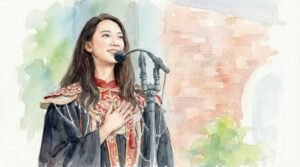
Self-discovery involves understanding ourselves, others, and the world around us

Avatar photo
Yicheng · Oct 23, 2024
In today’s world, where information is overwhelming, it’s easy to feel lost and confused. We’re all trying to find our way, looking to understand ourselves, others, and the world around us. But this process isn’t something that happens overnight. Instead, it takes a lot of time and reflection. In this column, we will share conversations […]

In today’s world, where information is overwhelming, it’s easy to feel lost and confused. We’re all trying to find our way, looking to understand ourselves, others, and the world around us. But this process isn’t something that happens overnight. Instead, it takes a lot of time and reflection. In this column, we will share conversations and personal stories that highlight the unique experiences of different people, helping us all to better grasp what it means to be human and to navigate our own journeys of self-discovery.

Understanding Oneself: A Journey from Within

Understanding oneselves is an ongoing journey. It goes beyond simply recognizing one’s interests, hobbies, and strengths, but involves delving into motivations, emotions, and values. We often lose sight of who we truly are due to societal expectations, the opinions of others, or external influences. To remain authentic in such a world, it is necessary to listen to our inner voice and confront our flaws and vulnerabilities.

As we navigate our identities, we find that our perceptions and expectations evolve at different stages of life. In our teenage years, we often seek acceptance and a sense of belonging. As adults, we shift our focus toward personal growth and achievements. By the time we reach old age, understanding the meaning of life takes center stage. Reflecting on our experiences at various stages helps us gain clarity about ourselves, comprehend the reasons behind our choices, and uncover the true motivations driving those decisions.

Understanding Others: the Power of Empathy and Compassion

In our interactions with others, learning to see things from their perspective and understanding their emotions and viewpoints is crucial. Understanding others goes beyond just knowing their background and experiences. It involves empathizing with people and connecting to their feelings as well as experiences from a deeper perspective.

By sharing the stories of various individuals, we aim to break down stereotypes and showcase diverse life experiences.Whether it is about ordinary people or celebrities, everyone’s journey is filled with challenges and stories of growth.By learning from others’ journeys and reflecting on our own, we become more capable of respecting and embracing different lifestyles and viewpoints.

Understand the World: Expanding Our Horizons and Embracing Cross-Cultural Understanding

The world is vast and diverse, with each person experiencing it from a unique perspective. To truly understand the world, we need to continually broaden our horizons and engage with people from different cultures, societies, and backgrounds. It’s only by viewing things through multiple lenses that we can grasp the complexity of the world and find our footing in an ever-changing landscape.

We should strive to understand not just the customs and traditions of various countries, but also the significant events and trends that shape global dynamics. By observing and reflecting on different cultures and social phenomena, we can uncover the threads of human civilization’s development, leading to a deeper understanding of our shared fate throughout history.


Celebrating Life’s Uniqueness: Finding Strength in Stories

In this section, we will showcase the unique aspects of each person’s life through engaging conversations and personal stories. Some tales may seem ordinary at first glance, but they often pack a powerful emotional punch; others might be filled with challenges, and it is those ups and downs that truly add depth to our experiences. Regardless of their backgrounds, these stories invite us to reflect on life’s diversity and our shared human emotions.

Each life is a distinct world, and together they weave the rich tapestry of our society.By sharing these varied stories, we aim to help readers find connections in their own journeys and foster a better understanding of others, ultimately empowering them to adapt and shape the world around them.

Conclusion

Understanding ourselves, others, and the world is an ongoing journey of self-exploration. Throughout this process, we continually refresh our perspectives on life, enrich our inner worlds, and deepen our sense of empathy for humanity and the vastness of the world. We hope this section inspires you and encourages everyone to keep moving forward on their life journey, seeking out their own unique value.

Share this article:
LEARN MORE

Continue Reading

臣民国家と市民国家の根本的な違い

Daohe · Jul 16, 2025

――権力の論理、国民の運命、そして文明の尺度 はじめに:何が国家であり、誰が主人なのか? この世の全ての国家は、その本質を突き詰めれば、権力が社会を管理するための組織形態に他なりません。 しかし、なぜある国では、国民が国家の主人となり、政府は雇われた立場となるのでしょうか。そして、なぜ別の国では、国民が権力の下僕とされ、一生を国家のために奉仕し、死してなお「祖国に栄光を」と求められるのでしょうか。 この問いは、単なる制度設計の問題に留まりません。それは、文明の観念、社会心理、権力の論理、歴史的経緯、そして精神的な価値観が複雑に絡み合った産物です。 「誰が『主』で、誰が『僕』か」という問いこそが、その国の政治倫理、社会構造、そして人々の運命の全てを決定づける尺度なのです。 これこそが、市民国家と臣民国家を分かつ、最も根本的な分水嶺です。 一、臣民国家:権力至上、国民は統治機構のために存在する 臣民国家に、制度や法律がないわけではありません。むしろ、数多く存在します。 しかし、その本質は「権力本位制」です。すなわち、 このような構造の下では、国民の価値は決して個人に属さず、国家に属します。人が存在する意義は、次のようなものになります。 たとえ個人がどれほど優れていても、その意義は「国家の役に立つ」という点でのみ評価され、「自らの幸福や自由のためになる」という点では評価されません。 臣民国家における国民の精神構造 幼い頃から、次のような価値観を植え付けられます。 この価値観の核心的な目標は、 個人の人格を消し去り、個人の運命を奪い、自己のアイデンティティを完全に権力機構に帰属させることにあります。 その結果、臣民国家の社会道徳は、極めて低い水準に留まります。 人生の目標は、日々の食事にありつき、災いを避け、権力機構のために労働力を提供することに集約されてしまうのです。 二、市民国家:市民個人が至上、政府は公共サービスの提供者 これに対し、市民国家は「市民本位制」です。 その根幹は、国家利益の至上ではなく、「市民一人ひとりの生命の尊厳と、自らの運命を決定する権利」にあります。 市民国家における権力の論理 この体系において、国家が存在する価値は、ただ市民の幸福、自由、権利、そして尊厳を保障する点にのみあり、そうでなければ国家の正当性は一片もありません。 国民は幼い頃から、次のような教育を受けます。 市民国家における国民の精神構造 ここでは、政府は奉仕機関であり、公務員は給与を受け取る僕であり、権力は一時的に委託されたものであり、市民こそが国家の主人なのです。 三、文明進化の分岐点 臣民国家と市民国家は、人類の文明史における全く異なる二つの進化の道筋です。 臣民国家が誕生した論理 その根底には、人間性への不信があり、秩序と統一を強調し、個人の価値を否定します。 市民国家が誕生した論理 その根底には、人間の尊厳への確信があり、権利の均衡を重視し、個人の自由を保障します。 四、制度の背後にある倫理尺度の違い 臣民国家の倫理観 一般人は、独立した価値を持つ存在とは決して認められず、人生の価値の最高基準は「国に迷惑をかけるな」「国のために栄光を勝ち取れ」となります。 市民国家の倫理観 一般人は、自らの運命の決定権を持つ者として認められ、人生の目標は幸福、自由、尊厳の追求であり、国家はそれを保障するために存在します。 五、文明的な市民社会こそが未来の世界の必然である 人類文明が21世紀に至り、臣民国家という構造は、次第に時代遅れで野蛮な国家の統治方式へと成り下がっています。 その弊害は明らかです。 一方で、市民国家が「文明国家」と呼ばれる理由は、以下の点にあります。 未来において、市民国家であるか否かは、その国の文明度を測る唯一の基準となるでしょう。 結語:本質を見極めてこそ、自らの運命を勝ち取る資格が生まれる 多くの国民は、自分がどちらの種類の国に属しているのかを、一生知らずに過ごします。 権力の論理を理解せず、文明の倫理をわきまえず、盲目的に体制に忠誠を誓い、従順な民であることを誇らしくさえ思っています。 しかし、文明は従順な民に情けをかけることはなく、主体性のある市民のみを尊重します。 一国の文明の高さは、都市の高層ビルの数によって決まるのではなく、国民が権力を直視し、制度を吟味し、自らの人生を決めようとするか否かによって決まるのです。 臣民国家は永遠に従順な民を養うだけであり、市民国家だけが自由な人間を形作ることができるのです。

非公民国家与公民国家的根本区别

非公民国家与公民国家的根本区别

Daohe · Jul 16, 2025

——权力的逻辑、国民的命运与文明的尺度 前言:谁是国家,谁是主人? 世上所有国家,其本质无非是权力管理社会的组织形式。 可为什么有些国家,国民是国家的主人,政府是受雇的仆人;而另一些国家,国民成了权力的草民,为国家服务一生,甚至死后都要“为祖国添光”? 这个问题,不止是制度设计问题,更是文明观念、社会心理、权力逻辑、历史遗留、精神价值观共同作用的产物。 “谁是主,谁是仆”,决定了一个国家的政治伦理、社会结构和人民命运的全部尺度。 这,也是公民国家与非公民国家最根本的分界线。 一、非公民国家:权力至上,国民为统治机器而生 非公民国家,不是没有制度,也不是没有法律,它有的很多。 但它的本质是权力本位制,即: 在这种结构下,国民的价值从来不属于自己,而属于国家。你存在的意义是: 哪怕你再优秀,意义也只能体现在“对国家有用”,而不能体现在“对自己幸福和自由有益”。 非公民国家国民的精神模式 从小被灌输: 这套价值观的核心目标: 消灭个体人格、剥夺个人命运、自我认同完全附着于权力机器。 因此,非公民国家社会道德底线极低: 人生目标就是吃穿温饱、避免祸端、为权力机器贡献劳役。 二、公民国家:公民个人至上,政府是社会公共服务员 与此相对,公民国家是公民本位制。 它的根基不是国家利益至上,而是“公民个体生命尊严与命运自主”。 公民国家权力逻辑: 在这种体系内,国家的存在价值,只在于保障公民幸福、自由、权利和尊严,否则它毫无正当性。 国民从小接受教育: 公民国家国民的精神模式: 在这里,政府是服务的机构,公务员是有薪仆人,权力是暂时托管,公民才是国家的主人。 三、文明演化的分歧: 非公民国家与公民国家,是人类文明史上两条完全不同的演化路径。 非公民国家的诞生逻辑: 其根基是对人性的不信任,强调秩序统一,否定个体价值。 公民国家的诞生逻辑: 其根基是对人性尊严的确认,强调权利平衡,保障个体自由。 四、制度背后的伦理尺度差异 非公民国家伦理观: 普通人从未被承认拥有独立价值,人生价值的最高标准就是“别给国家添麻烦”“为国家争光”。 公民国家伦理观: 普通人被承认为命运自主者,人生目标是追求幸福、自由、尊严,国家存在是为之保障服务。 五、文明型公民社会是未来世界的必然 人类文明发展到21世纪,非公民国家这种结构,已经逐渐沦为落后野蛮国家的统治方式。 它的弊病显而易见: 而公民国家之所以被称为“文明型国家”,是因为: 未来,公民国家将成为衡量文明程度的唯一标准。 结语:认清本质,才有资格争取命运 很多国民终其一生都不知道自己属于哪种国家。 认不清权力逻辑,搞不懂文明伦理,盲目效忠体制,充当顺民而自觉光荣。 但文明从不怜悯顺民,只尊重自觉公民。 一个国家的文明高度,不取决于城市高楼,而取决于国民是否敢于盯着权力、审视制度、为自己命运添光。 非公民国家永远只养顺民,公民国家才能塑造自由人。

read more

Related Content

The Catastrophic Consequences of Test-Oriented Education in the AI Era
Avatar photo
Daohe · Jan 30, 2026
Preface: As AI Illuminates the Future, Humanity Retreats The artificial intelligence revolution should herald a “singularity” moment for human civilization—a time when knowledge becomes nearly free, tools amplify human capability exponentially, and individual creativity emerges as our most valuable asset. Yet a profound irony unfolds before us: while machines evolve at breathtaking speed, our educational […]
Learning and Career Success
Avatar photo
Daohe · May 2, 2024
Education has traditionally been seen as a gateway to job opportunities, but it falls short in today's fast-changing world. In the modern workforce, employment is a platform for continuous learning and professional development, offering hands-on experience, problem-solving, collaboration, and opportunities for growth and innovation.
Growth Mindset: Why It Matters and How to Develop It
Avatar photo
Daohe · Mar 25, 2025
Two Roads for One Pair of Legs: Choosing Between Fixed and Growth Mindsets The way people perceive the world shapes their growth and life path, especially when they encounter difficulties, failures, and challenges. Different mindsets lead to distinct outcomes. No matter where you start or how talented you are, having a growth mindset keeps you […]
View All Content