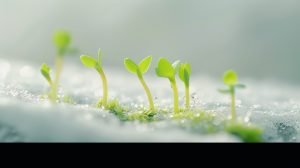
Self-discovery involves understanding ourselves, others, and the world around us

Avatar photo
Yicheng · Oct 23, 2024
In today’s world, where information is overwhelming, it’s easy to feel lost and confused. We’re all trying to find our way, looking to understand ourselves, others, and the world around us. But this process isn’t something that happens overnight. Instead, it takes a lot of time and reflection. In this column, we will share conversations […]

In today’s world, where information is overwhelming, it’s easy to feel lost and confused. We’re all trying to find our way, looking to understand ourselves, others, and the world around us. But this process isn’t something that happens overnight. Instead, it takes a lot of time and reflection. In this column, we will share conversations and personal stories that highlight the unique experiences of different people, helping us all to better grasp what it means to be human and to navigate our own journeys of self-discovery.

Understanding Oneself: A Journey from Within

Understanding oneselves is an ongoing journey. It goes beyond simply recognizing one’s interests, hobbies, and strengths, but involves delving into motivations, emotions, and values. We often lose sight of who we truly are due to societal expectations, the opinions of others, or external influences. To remain authentic in such a world, it is necessary to listen to our inner voice and confront our flaws and vulnerabilities.

As we navigate our identities, we find that our perceptions and expectations evolve at different stages of life. In our teenage years, we often seek acceptance and a sense of belonging. As adults, we shift our focus toward personal growth and achievements. By the time we reach old age, understanding the meaning of life takes center stage. Reflecting on our experiences at various stages helps us gain clarity about ourselves, comprehend the reasons behind our choices, and uncover the true motivations driving those decisions.

Understanding Others: the Power of Empathy and Compassion

In our interactions with others, learning to see things from their perspective and understanding their emotions and viewpoints is crucial. Understanding others goes beyond just knowing their background and experiences. It involves empathizing with people and connecting to their feelings as well as experiences from a deeper perspective.

By sharing the stories of various individuals, we aim to break down stereotypes and showcase diverse life experiences.Whether it is about ordinary people or celebrities, everyone’s journey is filled with challenges and stories of growth.By learning from others’ journeys and reflecting on our own, we become more capable of respecting and embracing different lifestyles and viewpoints.

Understand the World: Expanding Our Horizons and Embracing Cross-Cultural Understanding

The world is vast and diverse, with each person experiencing it from a unique perspective. To truly understand the world, we need to continually broaden our horizons and engage with people from different cultures, societies, and backgrounds. It’s only by viewing things through multiple lenses that we can grasp the complexity of the world and find our footing in an ever-changing landscape.

We should strive to understand not just the customs and traditions of various countries, but also the significant events and trends that shape global dynamics. By observing and reflecting on different cultures and social phenomena, we can uncover the threads of human civilization’s development, leading to a deeper understanding of our shared fate throughout history.


Celebrating Life’s Uniqueness: Finding Strength in Stories

In this section, we will showcase the unique aspects of each person’s life through engaging conversations and personal stories. Some tales may seem ordinary at first glance, but they often pack a powerful emotional punch; others might be filled with challenges, and it is those ups and downs that truly add depth to our experiences. Regardless of their backgrounds, these stories invite us to reflect on life’s diversity and our shared human emotions.

Each life is a distinct world, and together they weave the rich tapestry of our society.By sharing these varied stories, we aim to help readers find connections in their own journeys and foster a better understanding of others, ultimately empowering them to adapt and shape the world around them.

Conclusion

Understanding ourselves, others, and the world is an ongoing journey of self-exploration. Throughout this process, we continually refresh our perspectives on life, enrich our inner worlds, and deepen our sense of empathy for humanity and the vastness of the world. We hope this section inspires you and encourages everyone to keep moving forward on their life journey, seeking out their own unique value.

Share this article:
LEARN MORE

Continue Reading

The burden of livelihood in childhood: the hidden crisis of Confucian education in modern East Asia

The burden of livelihood in childhood: the hidden crisis of Confucian education in modern East Asia

Kishou · Jul 2, 2025

Introduction: A hidden disease at the heart of civilization On the surface, Confucian-influenced societies such as Japan, South Korea, and Singapore appear to embody a successful Eastern model of modern civilization—orderly, safe, and built upon a tightly run education system. But beneath this polished exterior lies a deep, systemic fracture in their civilizational foundation: an […]

幼少期の生存競争という禍:近代東アジア儒教社会における教育の見えざる閉塞と文明的リスク

幼少期の生存競争という禍:近代東アジア儒教社会における教育の見えざる閉塞と文明的リスク

Kishou · Jul 2, 2025

序章:文明の奥底に潜む静かな病巣 表面的には、日本、韓国、シンガポールといった東アジアの儒教文化圏諸国は、社会秩序が保たれ、治安も良好で、教育制度も整備されており、現代文明の「東洋型モデル」として称賛されている。しかし、この整然とした外観の裏には、長期的かつ構造的な文明の陥没とも言える「幼少期の生存競争型教育」という深刻な問題が潜んでいる。 この現象は、近代以降の国家建設と産業化の過程において、儒教文化が功利主義的かつ階層的・服従的に利用されたことに起因する。子どもたちは人格が未発達のうちから、生存競争や現実的成果を求められ、「夢見る権利」や「探求する自由」を奪われ、最終的には制度社会の「効率的なツール」として機能するよう仕向けられていく。 一、東アジア儒教社会における幼年期生存競争教育の構造的メカニズム 1. 近代国家建設中の制度化、早期社会化 日本、韓国、シンガポールは、19世紀末から20世紀後半にかけて相次いで産業化と国家統治の近代化を果たした。秩序に従う労働力と服従的な国民の育成を目的に、教育制度は「規律への順応と秩序への適応」の訓練場へと変質した。 幼稚園からすでに「自立」「内務の整理」「集団責任の分担」が求められ、小学校では「集団責任制度」「序列評価」「服従教育」が徹底される。教育の目的は人格の成熟ではなく、「いかに早く社会に適応するか」にある。 2. 功利的で階層主義的な価値観の支配 東アジア儒教文化圏は古くから「勝敗」「功名」「出世」を重んじる風土があり、近代化においてその傾向はさらに強化された。学業成績、行動評価、集団内での規則遵守など、数値化された比較が教育の中心となり、「他人に迷惑をかけるな」「足を引っ張るな」「家族の名誉のために頑張れ」という価値観が子どもに植えつけられる。 個人の夢や興味、創造性は「無駄なこと」とされ、社会で通用する唯一の通行証は「生存能力」となった。 3. 家庭・学校・社会による三重の包囲網 伝統的な儒教の「家族責任観」と近代国家の統治目標が融合し、「家庭—学校—社会」による三重の圧力システムが形成された。 家庭では子どもが「家の未来を担う存在」「名誉の象徴」とされ、教育は「投資」となる。学校は選別と従属を促す場となり、社会は絶え間ない競争の舞台となる。「名門校へ行け」「大企業に入れ」「安定した収入を得ろ」といった教えが幼少期から刷り込まれ、精神の発達や内面的成長の余地はほぼ失われている。教育は生き残り競争の装置と化している。 二、個人レベルにおける深刻な影響 1. 夢見る力と人格の自由の剥奪 本来、幼少期とは空想、好奇心、探求、失敗を通じて人格が発達する時期である。しかし、生存競争型の教育は、子どもに「利益計算」「欲望の抑圧」「リスクの回避」を強制し、「夢を見る力」を徹底的に潰してしまう。 その結果、成人後には物事への無関心、価値観の空洞化、自分自身を探求する意欲の喪失が広く見られる。 2. 感情の抑圧と内面の消耗 「迷惑をかけるな」「集団を優先せよ」「家の名誉のために尽くせ」といった教育文化の中で、悲しみや怒り、恐怖といった本音の感情を表現することは長くタブーとされてきた。その結果、東アジアの若者たちは感情表現が極端に苦手になり、強迫的なワーカホリック、対人恐怖、引きこもり傾向、そして「社畜文化」や「孤独死」といった現象が生まれている。 日本・韓国・シンガポールはいずれも、先進国の中で若年層の自殺率が高い国として知られている。 3. 自己価値感の欠如と精神的空洞化 他者からの評価に依存しすぎるあまり、内発的な価値感の形成が未熟なまま成長する。結果として、成人後には会社、家族、社会の承認を人生の軸としてしまい、それが崩れたときに自己否定や精神的崩壊に陥りやすい。自分という存在の中身が空っぽになる、いわば「精神的ゾンビ化」が深刻化している。 三、社会構造レベルにおける文明的リスク 1.大規模な「ツール人間化」 「生きるための子ども」を大量に生産することで、彼らは成長後、実行力は高いが創造性に乏しく、価値観も同質化され、制度化された社会の「有能なツール」として機能するようになる。その結果、文明の進化に不可欠な破壊的イノベーションや精神的活力が著しく欠如する。 日本の「社畜文化」、韓国の「過労死経済」、シンガポールの「優秀な社畜現象」はその典型的な表れである。 2.精神文明の衰退と文化の空洞化 実用主義・功利主義的な教育が長年続いたことで、東アジア社会では文化的創造力が低下し、若者はオタク文化、バーチャルアイドル、モバイルゲーム経済、低欲望生活に没頭するようになっている。「文明の空洞化」現象は日増しに深刻化している。 日本と韓国はこの30年間経済が停滞し、文化的ソフトパワーも衰退。シンガポールでは若年層のうつ傾向が増加しており、いずれも「幼年期の生存競争型教育」が精神文明の活力を蝕んだ結果である。 四、文明進化の観点から見る構造的危機 「完全公民制度」には、心の信念による内なる尊厳と、文明的信念による外的秩序の両輪が必要である。その進歩は、夢を持ち、創造し、時に反抗する人々によって支えられており、単なる従属者では成り立たない。 儒教文化圏社会が今後も子どもを早期から「生存のための機械」として育て続ければ、表面的な安定と秩序を保つことはできても、文明進化の原動力を失ってしまう。 過去30年、日本・韓国における経済イノベーション力の低下や、文化的影響力の減衰も、まさにこの延長線上にある。「夢見る者」がいなければ、文明はやがて「安定化 → 保守化 → 硬直化 → 退化」の道をたどるだろう。 五、文明型社会との比較 北欧諸国(スウェーデン、フィンランド、ノルウェー)における教育制度は、以下の価値を堅持している: これらの国々は、イノベーション力、幸福度、青少年のメンタルヘルス、社会的信頼水準において、東アジア儒教文化圏をはるかに上回っており、現代文明型社会の模範とされている。 六、東アジア儒教文化圏社会における文明的自救の道 子どもは「生きるため」だけを学ぶ存在ではない。真の教育とは、生存に必要な基本スキルを超えて、「夢を見ること」「問いを持つこと」「探求すること」「反骨精神」「限界の突破」といった生命本能を守る営みである。東アジア儒教文化圏が文明の停滞、創造性の衰退、精神的危機から脱却するには、次のような改革が不可欠である: さもなくば、「生きるための子ども」を量産し続ける東アジア文明は、「ぬるま湯で茹でられるカエル」のように静かに衰退し、夢も文化的生命力も失った「安定した文明の遺骸」と化すことになるだろう。 七、用語解説 幼年期生存志向型教育(Early Livelihood-oriented Education) […]

read more

Related Content

Cultivating Happy and Successful Citizens: The Diverse Categories of Quality Education
Avatar photo
Daohe · Feb 25, 2025
Traditional education often categorizes learning based on subjects, audiences, and teaching methods, focusing mainly on passing knowledge and developing skills. Quality education, however, takes a broader view. It looks beyond just academic success to focus on personal and social fulfillment, along with long-term happiness and success. It emphasizes not only gaining knowledge but also developing […]
In Quality Education, Every child is an A
Avatar photo
Daohe · Oct 27, 2024
The rise of quality education represents a significant transformation in the educational sector and is one of the important markers of progress in civil society. In the philosophy of quality education, every child is seen as an “A”, which not only recognizes their academic achievements but also affirms their entire growth process.  In traditional education, […]
The Catastrophic Consequences of Test-Oriented Education in the AI Era
Avatar photo
Daohe · Jan 30, 2026
Preface: As AI Illuminates the Future, Humanity Retreats The artificial intelligence revolution should herald a “singularity” moment for human civilization—a time when knowledge becomes nearly free, tools amplify human capability exponentially, and individual creativity emerges as our most valuable asset. Yet a profound irony unfolds before us: while machines evolve at breathtaking speed, our educational […]
Shaping Children’s Mindset: The Power of Love and Experiences
Avatar photo
Daohe · Oct 23, 2024
A child’s growth is not merely about physical development. It’s more about the extension and growth of their thinking and perception. When it comes to education, we often focus on accumulating knowledge and help children develop concrete and abstract thinking skills to better study knowledge. However, gaining knowledge is not the whole picture of cognitive […]
View All Content