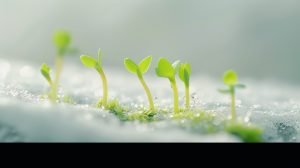
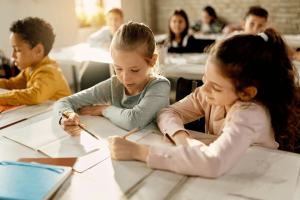
Self-discovery involves understanding ourselves, others, and the world around us

Avatar photo
Yicheng · Oct 23, 2024
In today’s world, where information is overwhelming, it’s easy to feel lost and confused. We’re all trying to find our way, looking to understand ourselves, others, and the world around us. But this process isn’t something that happens overnight. Instead, it takes a lot of time and reflection. In this column, we will share conversations […]

In today’s world, where information is overwhelming, it’s easy to feel lost and confused. We’re all trying to find our way, looking to understand ourselves, others, and the world around us. But this process isn’t something that happens overnight. Instead, it takes a lot of time and reflection. In this column, we will share conversations and personal stories that highlight the unique experiences of different people, helping us all to better grasp what it means to be human and to navigate our own journeys of self-discovery.

Understanding Oneself: A Journey from Within

Understanding oneselves is an ongoing journey. It goes beyond simply recognizing one’s interests, hobbies, and strengths, but involves delving into motivations, emotions, and values. We often lose sight of who we truly are due to societal expectations, the opinions of others, or external influences. To remain authentic in such a world, it is necessary to listen to our inner voice and confront our flaws and vulnerabilities.

As we navigate our identities, we find that our perceptions and expectations evolve at different stages of life. In our teenage years, we often seek acceptance and a sense of belonging. As adults, we shift our focus toward personal growth and achievements. By the time we reach old age, understanding the meaning of life takes center stage. Reflecting on our experiences at various stages helps us gain clarity about ourselves, comprehend the reasons behind our choices, and uncover the true motivations driving those decisions.

Understanding Others: the Power of Empathy and Compassion

In our interactions with others, learning to see things from their perspective and understanding their emotions and viewpoints is crucial. Understanding others goes beyond just knowing their background and experiences. It involves empathizing with people and connecting to their feelings as well as experiences from a deeper perspective.

By sharing the stories of various individuals, we aim to break down stereotypes and showcase diverse life experiences.Whether it is about ordinary people or celebrities, everyone’s journey is filled with challenges and stories of growth.By learning from others’ journeys and reflecting on our own, we become more capable of respecting and embracing different lifestyles and viewpoints.

Understand the World: Expanding Our Horizons and Embracing Cross-Cultural Understanding

The world is vast and diverse, with each person experiencing it from a unique perspective. To truly understand the world, we need to continually broaden our horizons and engage with people from different cultures, societies, and backgrounds. It’s only by viewing things through multiple lenses that we can grasp the complexity of the world and find our footing in an ever-changing landscape.

We should strive to understand not just the customs and traditions of various countries, but also the significant events and trends that shape global dynamics. By observing and reflecting on different cultures and social phenomena, we can uncover the threads of human civilization’s development, leading to a deeper understanding of our shared fate throughout history.


Celebrating Life’s Uniqueness: Finding Strength in Stories

In this section, we will showcase the unique aspects of each person’s life through engaging conversations and personal stories. Some tales may seem ordinary at first glance, but they often pack a powerful emotional punch; others might be filled with challenges, and it is those ups and downs that truly add depth to our experiences. Regardless of their backgrounds, these stories invite us to reflect on life’s diversity and our shared human emotions.

Each life is a distinct world, and together they weave the rich tapestry of our society.By sharing these varied stories, we aim to help readers find connections in their own journeys and foster a better understanding of others, ultimately empowering them to adapt and shape the world around them.

Conclusion

Understanding ourselves, others, and the world is an ongoing journey of self-exploration. Throughout this process, we continually refresh our perspectives on life, enrich our inner worlds, and deepen our sense of empathy for humanity and the vastness of the world. We hope this section inspires you and encourages everyone to keep moving forward on their life journey, seeking out their own unique value.

Share this article:
LEARN MORE

Continue Reading

社会公民における政治的主権の重要性について

社会公民における政治的主権の重要性について

Daohe · Jun 3, 2025

公民の政治的主権なくして、公民の国家は存在しません。 一、国家とは何か?社会公民とは何か? 国家とは、抽象的な疆域、制度、政体、あるいは政権の集合体ではありません。近代国家の本質とは、公民が、自らの利益、共同の安全、そして未来へのビジョンを基に、自発的に締結した政治共同体です。公民は、国家が存在するための主体であり、根幹なのです。もし国家に、真の意味での「公民」が存在しなければ、その国は政治共同体としての正当性を失い、単なる統治機関や暴力装置へと成り下がってしまいます。 公民であるということの真の意味は、単に特定の国境内に居住していることでも、その国の身分証明書を所持していることでもありません。それは、政治的主権を享受しているかどうかにかかっています。 政治的主権を持って初めて、個人は真に「国家共同体」における権力の主体となることができます。そうして初めて、国家権力の運営を決定し、監督し、それに関与し、抑制と均衡を図ることができるのです。そして、国家を、一部の少数者の専有物ではなく、「私たちの国家」とすることができるのです。 二、歴史の深層:国家と主権の進化 人類の政治史を概観すると、国家の出現は当初、部族の連合、軍事的な拡大、そして領土の支配に源を発していました。初期の「国家」は、武力と血縁によって維持され、個人に権利はなく、臣民に主権はありませんでした。中世の封建帝国や神権政治も、例外なく政治的主権を国王、教皇、貴族、聖職者といった階層の手に固く握りしめ、人民は家畜のように、その運命は草のように扱われました。 近代的な国民国家が興隆し、啓蒙主義運動、ブルジョア革命、そして近代的な立憲制度が確立されて初めて、「国民主権」や「公民の政治参加」が、国家の政治構造の中に徐々に組み込まれていったのです。フランス革命は「主権は人民に属する」と宣言し、アメリカ合衆国憲法は「人民政府、民選議会」を確立しました。こうして、近代国家の政治的正当性は、初めて「公民の主権」の上に築かれ始めたのです。 しかしながら、今日の世界を見渡しても、真に「公民の政治的主権」を実現している国家は、ごく少数です。大多数の国家は、依然として「見せかけの公民国家」の状態に留まっています。すなわち、名目上は「人民が国家の主である」としながら、実質的には権力は少数の集団に集中し、公民は受動的な服従者や道具に過ぎないのです。 公民が不在であれば、主権もまた不在となり、国家は退化し、文明は停滞します。 三、政治的主権の真の意味 政治的主権とは、形式的に設けられた法律の条文でも、時折行われる選挙投票でもありません。それは、公民が、国家権力の運営、公共の事柄に関する意思決定、公的資源の分配、そして国家の統治構造の設計に、実質的に関与できる権利のことです。 具体的には、以下の権利が含まれます。 もし国家が、形式的な「投票」だけを許し、公民に実質的な政治的主権を与えないのであれば、公民は単なる数字へと成り下がり、国家は寡頭制へと堕落するでしょう。 四、主権なくして、公民という存在は偽りとなる 現実の世界では、多くの国家が自らを「公民国家」と称しながらも、形式的に公民としての身分を与えているに過ぎません。その実質において、公民は主権を持たず、国家の統治に実質的に参加する権利もありません。 彼らは義務を負い、代償を払いながらも、権力構造の外側に置かれ、国家という機械の付属物となっているのです。 それは、以下のことを意味します。 この現象は、深く考察するに値する社会構造を浮かび上がらせます。すなわち、国家は制度設計上、「公民を基本とする」と約束しながら、実践においては、公民が公共の事柄における共同の参加者であるという地位を、真に実現できていないのです。 主権が人々の手から失われる時、国家はもはや民心を引きつける力を持ちません。社会の信頼はそこから瓦解し、文明発展の礎は揺らぎ始めます。最終的に、そのような国家は、全国民のものではなくなり、特権階級の私有財産と化し、その衰退もまた、覆い難いものとなるでしょう。 五、主権の欠如が、国家の運命に与える影響 歴史と現実は、社会公民から主権を奪ったいかなる国家も、最終的には以下の四つの苦境に陥ることを、繰り返し証明しています。 六、文明の未来における、唯一の道 人類文明が持続的に進歩しようとするならば、唯一実行可能な道は、「公民の政治的主権」を全面的に確立した、近代的な国家制度を築くことです。すなわち、 ただ、そうして初めて、国家は真に「公民国家」となり、社会は安定的で、公正で、繁栄し、文明は持続的に進化していくことができるのです。 結語 公民の政治的主権なくして、公民の国家は存在しません。 国家が、公民の主権なくして存在するならば、それは権力者の支配と暴力装置が残るだけです。 社会が、公民の主権なくして存在するならば、そこには抑圧、収奪、そして偽善的なパフォーマンスが残るだけです。 文明が、公民の主権なくして存在するならば、それはやて暗黒、腐敗、そして崩壊へと陥るでしょう。 国家の真の主人たりうるのは、政治的主権をその手に握る、社会公民だけです。未来が真に属するのは自ら目覚め、参加し、権利を求め、そして自らの主権を守り抜く勇気を持つ社会公民なのです。 これこそが、国家が存在するための最低ラインであり、一つの文明が前進し続けられるかどうかを左右する、最後の保証なのです。  

Political sovereignty and the foundation of an autonomous civil society

Political sovereignty and the foundation of an autonomous civil society

Daohe · Jun 3, 2025

Without citizen sovereignty, there can be no true citizen state. 1. What is a state? What is a citizen? A state is not merely a set of borders, institutions, regimes, or ruling authorities. In its modern form, a state is a political community voluntarily formed by a group of social citizens, organized around shared interests, […]

read more

Related Content

Shaping Children’s Mindset: The Power of Love and Experiences
Avatar photo
Daohe · Oct 23, 2024
A child’s growth is not merely about physical development. It’s more about the extension and growth of their thinking and perception. When it comes to education, we often focus on accumulating knowledge and help children develop concrete and abstract thinking skills to better study knowledge. However, gaining knowledge is not the whole picture of cognitive […]
The Gap in Education is the Gap in Civilization
Avatar photo
Daohe · Nov 4, 2024
Thinking on Education Gap Introduction Throughout different historical periods, disparities in education have consistently reflected gaps in civilization. Education is the cornerstone for shaping the qualities of individuals, building social culture and values, and driving technological innovation. Differences in educational levels directly affect the degree of civilization within a society. A review of human history […]
Social Quality Education Will Break the Monopoly of Knowledge and Education and lead to a Shared Future
Avatar photo
Daohe · Oct 29, 2024
In recent decades, education has gradually shifted from traditional book-based learning to technology-based education, with the rise of artificial intelligence adding to the momentum. Knowledge is now easier to access, and global democratization is becoming more evident. In this context, focusing solely on the gaining of knowledge and skills no longer meets future needs. There […]
Cultivating Happy and Successful Citizens: The Diverse Categories of Quality Education
Avatar photo
Daohe · Feb 25, 2025
Traditional education often categorizes learning based on subjects, audiences, and teaching methods, focusing mainly on passing knowledge and developing skills. Quality education, however, takes a broader view. It looks beyond just academic success to focus on personal and social fulfillment, along with long-term happiness and success. It emphasizes not only gaining knowledge but also developing […]
View All Content