Societal Nostalgia: A Reflection of Global Stagnation in Civilization

Avatar photo
Daohe · Oct 31, 2024
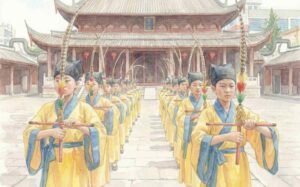
In recent years, nostalgia has washed over society like a rising tide, resonating with every heartbeat. Amid the constant deluge of information, people often pause to gaze back at the past and seek comfort in the warmth of memories . This sentiment is obviously reflected in cultural productions, with a surge of remakes in films, […]

In recent years, nostalgia has washed over society like a rising tide, resonating with every heartbeat. Amid the constant deluge of information, people often pause to gaze back at the past and seek comfort in the warmth of memories . This sentiment is obviously reflected in cultural productions, with a surge of remakes in films, music, and literature around the world—almost guaranteeing box office success.
However, this societal nostalgia is not merely a simple longing for the good old days. It profoundly reveals a collective disappointment with the present, an unconscious helplessness in the face of civilizational stagnation, and a hidden yearning for an upgrade in civilization.

The Nostalgic Trend in the Cultural Industry

Globally, the cultural industry is experiencing a wave of nostalgia. From films to music, fashion to gaming, many works are being remade or revisiting classic themes. This trend not only fulfills people’s longing for the past glory but also reflects a certain anxiety within contemporary culture. For instance, the recent surge of remakes and reboots of old shows often resonates with audiences, sparking collective nostalgia and becoming hot topics on social media.

This cultural trend not only extends beyond the entertainment sector, but also impacts advertising and brand marketing. Brands are harnessing nostalgic elements to attract consumers, appealing to their emotions through a “return to classics” approach. While this strategy may prove effective in the short term, a lack of innovation in cultural products could lead to audience fatigue over time.

Stagnant Civilization and Mental Emptiness

Beneath the phenomenon of societal nostalgia lies a sense of helplessness and disillusionment with current realities. Despite ongoing economic development, the evolution of social and civilizational thought appears to have stagnated. We witness rapid technological advancements, yet in areas such as moral values, social ethics, and interpersonal relationships, there seems to be little substantive progress. This disconnect leaves many feeling spiritually empty even as they pursue material gains. Nostalgia thus becomes an emotional refuge, where people seek comfort in memories.

Bombarded with an overwhelming tide of information and choices, the feeling of loneliness intensifies, as ideological contradictions and cultural conflicts leave individuals feeling isolated amid the noise. Mental lives seem increasingly hollow, and nostalgia serves as a mechanism of self-protection, helping us to find warmth in the remnants of a bygone era amidst the chaos of modern life.

A Call for the Advancement of Civilization

Without effective advancements in civic values, the growing nostalgia will continue to spread, pushing the cultural industry into a more serious state of innovation crisis. The fleeting satisfaction that nostalgia brings cannot substitute for a proactive exploration of the future. Relying only on past achievements without a commitment to innovation will inevitably drain the cultural sector of its vitality.

In the face of rampant societal nostalgia, Diagnosing the root of the problems and taking action to change the status quo will help advance civilization. This involves critically examining the issues within our existing social systems and proposing innovative ideas across all sectors of society, leading to practical changes that foster civilizational progress, which is exactly what Yicheng Commonweal has been doing.

Conclusion

Only in this way can we liberate ourselves from the confines of nostalgia and unite to promote social progress, opening the door to a brighter and more fulfilling future. Engaging in future-oriented actions is the best antidote to a life marked by hopelessness.
Share this article:
LEARN MORE

Continue Reading

政府が少数者のために奉仕するときの二つの顕著な特徴

政府が少数者のために奉仕するときの二つの顕著な特徴

Daohe · Jul 29, 2025

市民意識の覚醒による制度進化、文明的思考による国家の再構築   序論:政府は誰のために奉仕するのか。それは技術的な問題ではなく、文明の立場を問う問題である。 どの世代も、一つの根本的な問いに直面します:国家という構造は、一体誰を代表しているのか? それは人民か、それともごく少数の特権階級か? もし政府が少数者に奉仕する道具へと成り下がったなら、その社会の統治ロジックは根本から歪みます。つまり、人民はもはや統治の「主体」ではなく、管理され、搾取され、操作される「資源」と化すのです この歪みが一度制度化されると、二つの特徴が現れます。これは全国民が強く警戒すべきものです。   特徴1:人民は雑に扱われ、権力による抑圧が常態化する 1. 「公共の権力」から「利益収奪マシン」への変質 本来、国民に奉仕すべき公共の権力が、ひとたび少数者に掌握されると、真っ先に起こる変化は――国民が「主人」から搾取される「資源」へと転落し、平等な尊厳を失い、繰り返し奪われるだけの利用価値しか持たなくなることです。 増税しても民生は改善されない:一部の国や地域では、庶民は重税に苦しんでいるにもかかわらず、医療、教育、住宅といった公共サービスは絶えず縮小され、「税金は払えるが、病気の治療も、子供の教育も、家の確保もままならない」という普遍的な苦境に陥っています。 資源配分が著しく偏る:政策は権力者や富裕層に傾き、住宅、土地、融資、公職といった重要な資源は高度に集中します。一般人は「対価を支払う者」ではあっても、決して「機会を得る者」にはなれません。 2. 権力は「強きを助け、弱きを挫く」。暴力的な統治の常態化 補償なき強制立ち退き、法的保障なき陳情者の拘束:一部の土地政策の執行において、強制立ち退きが頻発し、個人の抗議者は不法に拘束され、時には「行方不明」にさえなります。その一方で、「青信号」が出されるのは、決まって財閥のプロジェクトです。 庶民の声は汚名を着せられ、黙殺される:改善策を提案した一般市民は、しばしば「騒ぎを起こす者」というレッテルを貼られ、建設的な意見は抑圧されます。その結果、政策は自己修正のメカニズムを失っていきます。 3. 国民の尊厳が構造的に解体される このような統治ロジックの下で、「公民」は次第に「従順な民」へと退化し、人々は「自分は無力な存在だ」というアイデンティティを受け入れ始めます。そして社会全体に、無関心、無力感、そしてシニシズムが蔓延するのです。 政治制度がもはや国民の参加意識を喚起できなくなった時、腐敗と不正は例外的な事件ではなく、安定した日常となります。   特徴2:民生政策は反故にされ、制度自体が「国民の幸福」を嫌悪する 1. 民生政策は「選択肢」ではなく、「厄介なお荷物」となる 政府が少数者の利益に奉仕するなら、少数者の私益に反する政策はすべて、たとえ人民の幸福にどれほど有益であっても、軽んじられ、無視され、あるいは中止されます。 公教育、基礎医療、基礎的住居が「足手まとい」の代名詞に:例えば、一部の都市では不動産開発や企業誘致を優先する過程で、末端の教育や医療への投資が繰り返し削減され、農村の子供たちが「上を目指す道」を失っています。 政策立案者が現場を知らない:特権階級で生活する官僚は、庶民のニーズを理解しておらず、真に実行可能で地に足のついた政策を策定できません。彼らが民生を語るのは、単なる「言葉のレパートリーの更新」の一環に過ぎません。 2. 提案は「面倒事」と見なされ、提案者は「問題製造者」として扱われる 不採用、偽りの採用、恣意的な解釈:多くの民衆からの提案は合理的であるにもかかわらず、「非公式ルート」から来たという理由で無視され、甚だしきは改ざんされます。最終的には「形式主義」のパフォーマンスの小道具と化します。 市民参加が制度的に圧縮される:民間組織、世論による監視、議会制度は行政の独占に阻まれ、真の民生を反映する制度的なルートを欠きます。その結果、「目に見えるプロジェクト」ばかりが行われ、「真に改善をもたらす仕事」は行われなくなります。 3. 形式主義と空虚な言葉がまかり通る 政策语言越来越“漂亮”,实际操作越来越“残酷”。 “共建共享”、“为人民谋幸福”这类口号频繁出现,但落实上变成: 高齢者はDX化に戸惑う。 末端の幹部に「深夜まで書類仕事をさせる」。 弱者層を永遠に制度の抜け穴に閉じ込める。   なぜ彼らは人民の提案に耳を傾けないのか? 多くの人々は今なお、「いつかは良心に目覚めるだろう」という期待を抱いています。 しかし現実は、彼らは聞きたくないのではなく、聞く動機がなく、聞かなくても何のコストもかからないのです。 【一乗公益からの特注】:真の変革は、感傷を乗り越えた先見性と、断固たる行動から生まれます。 私たちは、機能不全に陥った制度や、正統性を失った権力に対し、沈黙や妥協ではなく、賢明な変革を追求することを呼びかけます。 世界の複雑さを前に、無垢な善意だけに頼る時代は終わりました。構造そのものを見抜く「文明の知性」をもって、未来への道を切り拓く時です。   1. 「民意を聞く」こと自体が、彼らの利益ロジックに合致しない 特権階級に奉仕する統治システムにとって、「人民の意見を聞く」ことは義務ではなく、脅威です。なぜなら、一度資源構造を改革し、特権の構図を打ち破れば、長らく利益を得てきた少数派グループは損失を被るからです。 2. 「人民」は制度設計の主語ではなく、操作可能な客体に過ぎない 人民は動員され、宣伝され、収穫され、犠牲にされることはあっても、 自主的な表現権、制度における発言権、資源の采配権を持つことは極めて難しい。 多くの権力者の視点では、人民は「主体」ではなく、「変数」なのです。 […]

警惕:政府为少数人服务的两个鲜明特征

警惕:政府为少数人服务的两个鲜明特征

Daohe · Jul 29, 2025

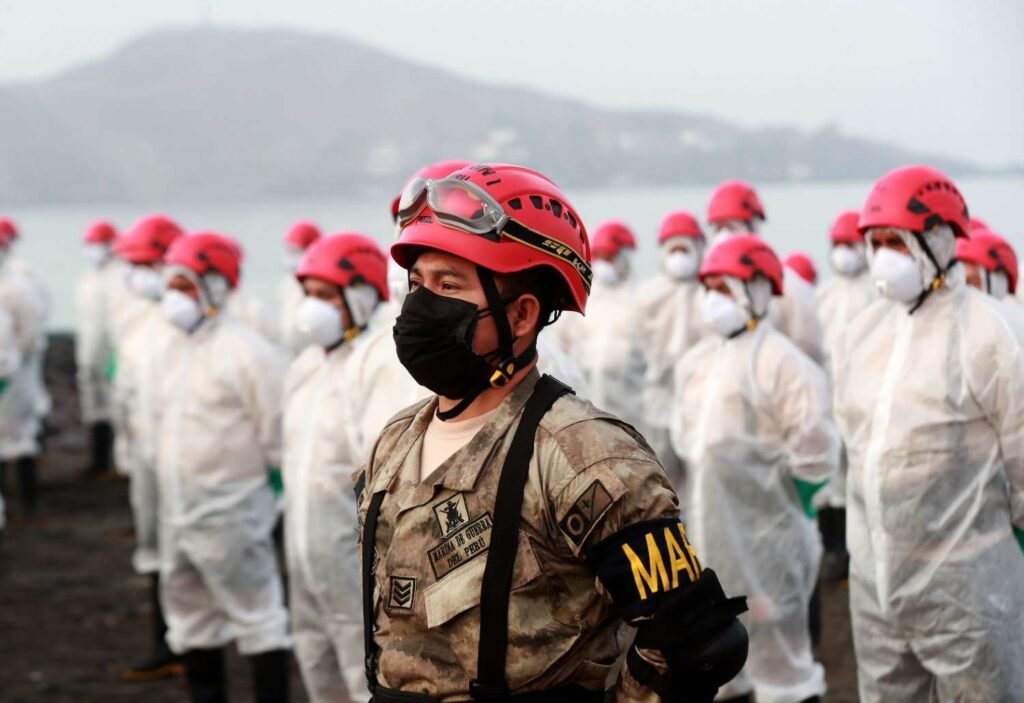
以公民觉醒推进制度进化,以文明思维重构国家方向 引言:政府为谁服务,不是技术问题,而是文明立场问题 每一代人都会面临一个根本性的问题:国家机器究竟代表谁? 是广大人民,还是极少数的特权者? 如果一个政府沦为少数人服务的工具,那么这个社会的治理逻辑就会发生根本性异化:人民不再是治理的对象,而是被管理、被压榨、被操控的资源。 这种异化一旦制度化,便会显现出两个极其鲜明的特征,值得全民高度警惕。 特征一:人民被视为草芥,权力以压迫为常态 1. 从“公共权力”蜕变为“利益机器” 本应服务人民的公共权力,一旦被少数人控制,最先发生的改变是——人民从“主人”变成“矿藏”,不再享有平等的尊严,而只剩被反复掠夺的利用价值。 2. 权力“护贵压贱”,暴力治理常态化 3. 人民的尊严感遭到结构性瓦解 在这种治理逻辑下,“公民”逐渐退化为“顺民”,人们开始接受“我就是无权者”的身份,而整个社会弥漫着冷漠、无力和犬儒主义。 一旦政治制度无法再激发人民参与感,腐败和不公就会稳定存在,而不是例外事件。 特征二:民生政策如厕纸,制度本身嫌弃“人民幸福” 1. 民生措施不是“可选项”,而是“被嫌弃的负担” 政府若服务于少数人利益,那么一切不利于少数人私利的政策,哪怕对人民福祉再有益,也会被贬低、忽视甚至中止: 2. 建议被视为“麻烦”,建言者被当成“问题制造者” 3. 形式主义与空话套话大行其道 为何他们不会听进人民的建议? 许多人仍然抱有一种天真的期待:“他们总会良心发现吧?” 但现实往往是:不是他们不愿听,而是没有动力听,更没有成本不听。 在这里一乘公益特别提示:不要浪费你的生命与智慧,与一群垃圾为伍。 该罢免就罢免,该反抗就反抗,该让他们扫地出门就出门,这是垃圾的唯一标准场地。到了垃圾场再分类,事先不要分类。 提前分类往往会受到情感支配,如“人之初,性本善”思维幻觉的影响。 1. “听民意”本身不符合其利益逻辑 对一个为特权者服务的治理体系来说,“听从人民意见”不是义务,而是威胁。因为一旦改革资源结构、打破特权格局,那些长期受益的少数集团将遭受利益损失。 2. “人民”不是制度设计的主语,而是可被操纵的对象 3. 所以他们也想不出真正可行的民生政策 这不是个人素质的问题,而是结构性冷漠。当一个政治系统长期脱离真实生活,不以人民福祉为反馈标准,便会形成“无能治理”: 历史镜鉴与现实映照:一切制度的兴衰都源于“为谁服务” 回顾人类历史,许多大国并非亡于外敌,而是亡于“制度内部腐朽”。 结语:制度的价值,不在于它说了什么,而在于它真正保护了谁 我们不能仅仅看制度有没有说“人民”,有没有讲“民生”,更要看它在运作层面,是否真正体现人民的权力,保障人民的尊严,改善人民的生活。 如果我们对“政府为谁服务”的根本问题保持沉默,那所有的改革都将成为掩盖问题的形式主义,而所有的未来,都可能继续重复悲剧。 一个真正的现代文明政府,不应该是为少数人设立的高塔,而应是为全民铺设的桥梁。   Photo By Galería de fotografías del Ministerio de Defensa

read more

Related Content

Building a Sustainable Civilized Society: Understanding Dictatorship
Avatar photo
Yicheng · Oct 28, 2024
To create a more advanced civilization, we must first understand both the foundations of a civilized society and the forces that drive progress. Meanwhile, it is also necessary to recognize the factors that are hindering the advancement of civilization. Only with this understanding can people work together to build a society that cultivates virtue and […]
Cowardice and brutality in Chinese education: a warning and threat to global civilization
Avatar photo
Master Wonder · Jun 9, 2025
I. Why are cowardly and brutal styles of education so common in Eastern societies, especially in China? To understand these two distorted educational patterns, we must go beyond blaming individual parents or schools. Instead, it is necessary to examine the deeper cultural and historical roots—particularly the long-standing authoritarian structure of Chinese civilization. For centuries, Chinese […]
Greta Thunberg: the girl and our future
Avatar photo
Yicheng · Jun 11, 2025
We often hear the phrase, “Kids are our future.” It is something parents, educators, and leaders around the world like to say. But in a time marked by emotional extremes, misinformation, polarized opinions, and rising violence, this comforting slogan is no longer enough. We need to take a step back and ask, calmly and seriously: […]
Why systems matter more than tech
Avatar photo
Kishou · Jun 13, 2025
This passage emphasizes that the key to civilizational progress lies in systems, not technology. A system defines how social resources are organized and how power is structured. Its flexibility determines whether institutions can improve and whether technology can be used effectively—ultimately shaping the direction of civilization. A healthy system drives prosperity; a rigid one leads to collapse. Technology only serves the system.
View All Content