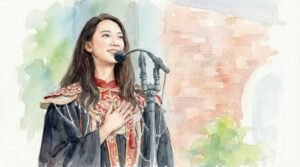
“Something deeper than belief” is the devil’s flute

Avatar photo
Master Wonder · Jun 4, 2025
In today’s world, the greatest threat is not war or massacre, but the hypocrites wearing masks of kindness, peace, and humanity. They use soft, comforting words to cover up evil, weaken justice, and dilute the truth. They preach “transcending ideology and belief,” claim “we are all connected” and share a “common humanity.” With this vague, […]

In today’s world, the greatest threat is not war or massacre, but the hypocrites wearing masks of kindness, peace, and humanity. They use soft, comforting words to cover up evil, weaken justice, and dilute the truth.

They preach “transcending ideology and belief,” claim “we are all connected” and share a “common humanity.” With this vague, blurry moral rope that erases the line between right and wrong, they tie justice to evil, oppressors to victims, and executioners to their prey.

This is the most insidious, gentle poison in modern civilization, easily mistaken for kindness.

What is the true nature of “something deeper than belief”?

On the surface, it sounds like a call for world peace, racial reconciliation, cultural cooperation, and gender equality. But in reality, it erases moral judgment and undermines justice. It lets evil justify itself openly, repaints oppression as “cultural differences,” and grants tyranny legitimacy under the name of “social order.”

They wave the banner of humanity, blurring all evil and suffering into vague calls for “understanding,” “tolerance,” and “we are all the same.” Meanwhile, those who expose wrongdoing, resist oppression, or stand firm in their principles are labeled as “paranoid,” “extreme,” or “irrational.”

When you call out oppression, they say, “You’re too rigid—we need to move beyond ideology.”

When you stand up for justice, they tell you, “We’re all connected; there’s no need for conflict.”

When you expose evil, they shrug, “There’s no absolute evil; everyone’s just human.”

—This is the devil’s softest tune, played to lull us all to sleep.

The sixfold poison:

The approach of “transcending ideology and belief” inflicts sixfold damage on human civilization worldwide—corrupting political systems, social order, our understanding of humanity, bureaucratic structures, and public discourse:

1. The poison of politics: false legitimacy

When authoritarian regimes, exploitative powers, or oligarchic capital suppress people, strip away rights, and violate freedoms, they cloak themselves in the language of “national stability,” “social order,” and “cultural differences.”

Crackdowns become “maintaining order,” censorship becomes “preventing division,” and eliminating opposition becomes “removing social unrest.”

This gives political violence a false sense of legitimacy, allowing those in power to excuse their crimes as “just part of governing”.

2. The economic poison: entrenching class division

The global economy has long thrived on inequality and the exploitation of the working class. And whenever the oppressed begin to resist, someone would step forward to say: “Rich or poor, we are all human. We need to understand each other.”

With words like “connection,” “empathy,” and “shared humanity,” they blur the lines of class struggle, mask systemic theft, and soften the sharp edges of injustice.

In the end, the machinery of wealth extraction—class hierarchies, colonial economies, and obscene inequality—continues to run smoothly, anesthetized by the language of compassion.

3. The social poison: moral coercion disguised as virtue

In today’s global discourse, this rhetoric isolates anyone who dares to resist, speak out, or stand firm in their beliefs.

Raise your voice against injustice? You are being extreme. Expose oppression? You are being intolerant.

Under the soft but insidious weight of this emotional manipulation, society gradually loses its radical edge—its spirit of resistance and moral judgment. People begin to censor themselves, terrified of crossing invisible lines. Rebellion fades. Compliance becomes the norm.

4. The civilizational poison: losing our backbone

Great civilizations are built on the defense of core values—freedom, justice, dignity, belief, and the courage to speak out against injustice. But the logic of “transcending ideology and faith” amounts to self-castration at the level of civilization.

Instead of standing firm on principle, we are told to promote “peaceful coexistence” and “everyone has their own perspective.”

In practice, this means turning a blind eye to atrocities—as long as you stay silent, evil is no longer called evil.

Over time, humanity lose their backbone. What remains is a hollow shell: soft, compromised, and comfortably mediocre.

5. The poison to humanity: the pacification of the soul

On the level of individual consciousness, this rhetoric breeds generations who learn to numb themselves and rationalize evil.

They are taught to empathize with abusers, pity the exploiters, and forgive those in power—while treating the true defenders of justice as “dangerously extreme.”

Under this soft anesthesia of “human understanding,” human society gradually loses its ability to feel anger, resist oppression, or even recognize wrongdoing.

6. The bureaucratic poison: corruption in alliance

Within bureaucratic systems, the language of “transcending ideology” becomes the perfect excuse to suppress dissent, deflect accountability, and conceal corruption.

Every challenge is labeled “too emotional.” Every demand for justice is recast as “disruptive to stability.”

Thus, corrupt officials and enforcers of “order” form a silent pact—shielding one another while jointly harvesting power and resources under the soothing veil of moral neutrality.

Conclusion: Civilization must have a spine

Ideals may evolve, and faiths may be renewed—but they must never be abandoned, transcended, or rewritten.

True civilization is built on moral boundaries: to protect the vulnerable, to judge evil, and to uphold justice.

Anyone who claims to “transcend ideology and belief,” no matter how kind their tone or how gentle their words, is ultimately fighting to legitimize evil. They are playing the devil’s flute.

And those who applaud this narrative—who nod along with smiles and praises—should repent for their complicity, not bask in their self-satisfaction.

We may be kind, but we are not fools. We have empathy, but we do not applaud hypocrisy.

The backbone of civilization lies not in vague “connections,” but in clear moral boundaries and an uncompromising stand for justice.
 

Share this article:
LEARN MORE

Continue Reading

孝の正しい解釈:それは愚者の徳ではなく、智者の道である

孝の正しい解釈:それは愚者の徳ではなく、智者の道である

Daohe · Jul 26, 2025

——「孝」における正義と、その境界線—— 一、孝の本義は、とうに世界から誤解されている 「孝」という文字は、本来、「老」と「子」から構成され、「子が老いた親の生命を受け継ぎ、その血脈と道義を継続していく」という意味合いを持っています。しかし、現実の社会に根付く中で、この二文字は権力によって再形成され、感情によって歪められ、次第に「親への服従」を覆い隠すための隠れ蓑へと堕落していきました。 ある家庭では、孝は沈黙と化しました。疑問を呈することも、反論することも、自分自身の道を選ぶことも許されません。 ある文化では、孝は犠牲と化しました。自由を放棄し、愛情を放棄し、尊厳を放棄することが求められます。 さらに深刻なことに、ある種の制度の中では、孝は道具と化しました。世代間の暴力や権力による抑圧を覆い隠すための、倫理として利用されるのです。 こうして、「孝」が本来持っていた意味——生命への感謝と継承の道——は、個人の自由を捧げる儀式へと、そして人格の尊厳を蝕む行為へと成り下がってしまったのです。 私たちは、この「孝道」という概念を、道徳という神棚から現実の人間社会へと引き下ろし、改めて解体してみる必要があり、またそうしなければなりません。 二、孝は生まれながらの美徳ではなく、濫用されうる権力構造である 私たちは、「孝」そのものの価値を疑うことはありません。しかし、ある事実を長らく見過ごしてきました。 「孝」とは、本質的に、「下方から上方へ責任を負う」という倫理構造である、という事実です。この構造は、権力が不均衡な家庭内において、一方的な抑圧の様式へと極めて容易に変化します。 親は、生まれながらにして「養育した」という道徳的な優位性を握っています。一方で子供は、感情的にも物質的にも親に依存する中で、「言うことを聞く」存在として馴化させられます。この構造が、もし知恵によって調和されなければ、「愚孝(ぐこう)」の深淵へと容易に滑り落ちてしまいます。 愚かな孝行の背後にあるのは、愛ではなく、恐怖です。感謝ではなく、馴服です。人間性の輝きではなく、制度的な病理なのです。 三、真の孝道とは、「孝正」と「孝愛」の結合であり、人間としての成熟した状態である 1. 「孝正」:道義を守り、境界を設け、悪に加担せず、盲従しない 孝正の「正」とは、すなわち正義の「正」です。 真の孝とは、親子の情に屈することではなく、その情を守り、正しい方向へと導くことです。子供は親の意志の延長線上にある存在ではなく、判断力、境界感覚、そして人格の尊厳を持つ、独立した個人です。 もし親が偏屈であったり、執着に囚われていたり、圧力をかけてきたり、あるいは悪事を働いたりした場合、真の孝とは、あえてそれを諫め、気づかせ、軌道修正を促す勇気を持つことであり、頭を下げ、見て見ぬふりをし、沈黙することではありません。 社会の堕落は、「親に真実を告げられないことを、孝行と見なす」ことから始まります。 家庭の病理は、「親の過ちを、天命として受け入れる」ことから始まります。 「孝正」とは、親への愛を、正義と理性という土台の上に築くことであり、「敬意はあっても盲信せず、愛はあっても溺愛しない」ことなのです。 2. “「孝愛」:知恵をもって情を受け止め、慈悲をもってその人生を照らす 愛は、孝における血肉です。愛のない孝は、冷たい命令に過ぎません。 しかし、知恵のない愛は、感情による窒息死のようなものです。 「孝愛」は、親の機嫌を取ることでも、言いなりになることでもなく、ましてや感情を取引材料にして支配権を交換することでもありません。 真の孝愛とは、親を理解し、同時に親を導くことです。その孤独に寄り添い、同時にその理性を守ることです。その身体を労り、同時にその魂を養うことです。 親がもはや強者ではなく、認知能力や体力、言葉を失った老人となった時、子供の孝とは「借金を返す」ことではなく、「人生を全うさせてあげる」ことです。「あなたが私にしてくれた分を、私が返す」のではなく、「かつてあなたが私の誕生を守ってくれたように、私はあなたの安らかな終焉を守りたい」と願うことなのです。 四、孝道は道徳的な訓戒ではなく、魂が成熟するための修行である 「孝」とは、決して弱者の責任ではなく、強者の試練です。 愚者は「孝順(親に従うこと)」を求め、智者は「孝道(孝の道)」を修めます。 なぜなら、孝道が真に試しているのは、膝を屈することができるかどうかではなく、その心が責任を担うことができるかどうか、だからです。 それは、一人の人間に対して、以下のことを問いかけます。 孝とは、「良い子」になるためにあるのではありません。「一人の成熟した大人」になるためにあるのです。 五、世代間関係の真相:孝道の破綻は、社会が向き合いたがらない文明の病である 多くの国や文化において、「孝」は静かに崩壊しています。しかし、誰もそれが病に罹っていると、公言する勇気がありません。 私たちが見ているのは、孝道の崩壊です。それは、子供たちが冷淡だからではありません。「孝」を支えるべき「制度的な受け皿」が空っぽになり、「感情的な相互信頼」が失われ、「文化的な基盤」が引き裂かれてしまったからなのです。 これは、「孝行かどうか」という個人の問題ではなく、「構造的な病」の問題なのです。 六、本源への回帰:三教の智慧が示す、孝の究極的な姿 儒教・道教・仏教の三教が最終的に指し示している「孝」とは、倫理的な命令ではなく、心の目覚めです。孝は、道の現れであり、愛の浄化であり、魂の修行なのです。 結語:孝は、人類文明の一面を映す鏡である 私たちが求めるべきは、偽善的な孝道の宣伝でも、感情を人質に取るような道徳劇でもありません。 私たちが求めるべきは、「孝」を再び人間性の高みへと引き上げ、それが人格の尊厳の延長となり、愛の知恵の体現となり、正義と温情の融合となるようにすることです。 孝は、生命への抑圧であってはなりません。それは、生命と生命の間で交わされる、最も真実で、最も自由で、最も無私なる響き合いであるべきです。 願わくは、私たちが、風が吹く時には老いていく親の身を守り、誤解の中にあっても真理の声を覆い隠さず、千鈞の重圧の中でも、なお仁愛の心を守り通せますように。 そうして初めて、私たちは「孝道」の名を辱めることなく、この世に生を受けた意味を全うすることができるのです。   Photo By Dietmar Rabich

孝道的正确解读:不是愚人之德,而是智者之道

孝道的正确解读:不是愚人之德,而是智者之道

Daohe · Jul 26, 2025

——“孝”的正义与界限 一、孝之本义,早已被世界误解 “孝”字,本由“老”与“子”构成,寓意“子承老命,续其血脉与道义”。然而,进入现实社会后,这两个字却被权力重塑、情感扭曲,逐渐堕落为“服从父母”的遮羞布。 在一些家庭中,孝变成了沉默——不能质疑,不能反驳,不能选择自己; 在一些文化中,孝变成了牺牲——放弃自由,放弃爱情,放弃尊严; 更严重的是,在某些制度中,孝成了工具——一个用来掩饰代际暴力与权力压迫的伦理外衣。 于是,“孝”的本义——对生命的感恩与传承之道,沦为对个体自由的献祭、对人格尊严的吞噬。 我们有必要,也必须,重新拆解“孝道”这个概念,从道德神坛拉回现实人间。 二、孝不是天生的美德,而是一种可被滥用的权力结构 我们从不质疑“孝”本身的价值,但却长期忽略一个事实: “孝”本质上,是一种“向上负责”的伦理结构。它极易在权力不对等的家庭中,演化为单向度的压迫模式。 父母天然握有“养育”的道德高地,而子女在情感与物质双重依赖中,被驯化为“听话”的存在。这种结构若没有智慧调和,极易滑向“愚孝”的深渊: 愚孝的背后,不是爱,而是恐惧;不是感恩,而是驯服;不是人性光辉,而是制度病灶。 三、真正的孝道,是“孝正”与“孝爱”的结合,是人之为人的成熟状态 1. “孝正”:守道有界,不助恶,不盲从 孝正之“正”,即正义之“正”。 真正的孝,不是对亲情的屈服,而是对亲情的守护与导正。子女不是父母意志的延长,而是拥有判断力、边界感与人格尊严的独立个体。 如果父母偏执、执迷、施压、行恶,真正的孝,是敢于劝止、提醒、纠偏,而不是低头、回避、沉默。 一个社会的堕落,从“把不敢对父母说真话视为孝顺”开始; 一个家庭的病变,从“把父母的错误当作天命接受”开始。 孝正,是对父母的爱建立在正义与理性的基座之上,是“有敬而不盲、有爱而不溺”。 2. “孝爱”:以智慧承情,以慈悲照命 爱是孝的血肉。没有爱的孝,是冷的命令; 但没有智慧的爱,是一种情感的溺死。 孝爱不等于讨好,不等于顺从,更不是用情感来交换控制权。 真正的孝爱,是理解父母,也引导父母;是体贴其孤独,也守护其理智;是照料其身体,也滋养其灵魂。 当父母不再是强者,而变成失智、失力、失语的老年人时,子女的孝不是“还债”,而是“成全”。不是“你亏我多少我补多少”,而是“你曾护我出生,我愿护你善终”。 四、孝道不是道德训诫,而是一场灵魂成熟的修行 “孝”,从来不是弱者的责任,而是强者的试炼。 愚者求“孝顺”,智者修“孝道”。 因为孝道真正考验的,从来不是膝盖能不能跪,而是心能不能承担。 它考验一个人: 孝不是为了做一个“好孩子”,而是为了做一个“完整的大人”。 五、代际关系的真相:孝道的失败,是社会不愿面对的文明病 在许多国家和文化中,“孝”已悄然崩塌,却没人敢公开说它已经病了。 我们看到的是:孝道崩坏,不是因为子女冷漠,而是因为孝被抽空了“制度承载”、失去了“情感互信”、撕裂了“文化基础”。 这不是一个“孝不孝”的问题,而是一个“结构病”的问题。 六、回归本源:三教智慧对孝的终极揭示 三教最终一致指向的“孝”,不是伦理命令,而是心性觉醒。孝是道的表现,是爱之净化,是灵魂之修。 结语:孝,是人类文明的一面镜子 我们要的,不是伪善的孝道宣传,也不是情绪勒索式的道德剧本。 我们要的,是让“孝”重新站在人的高度之上,成为人格尊严的延展、爱之智慧的体现、正义与温情的融合。 孝不该是对生命的压迫,而该是生命之间最真实、最自由、最无私的回响。 愿我们,能在风起时护父母老去之身,能在误解中不掩真理之声,能在千钧之重中仍守仁爱之心。 如此,我们方不辱“孝道”之名,也不负人世此行。   Photo By Dietmar Rabich

read more

Related Content

Learning and Career Success
Avatar photo
Daohe · May 2, 2024
Education has traditionally been seen as a gateway to job opportunities, but it falls short in today's fast-changing world. In the modern workforce, employment is a platform for continuous learning and professional development, offering hands-on experience, problem-solving, collaboration, and opportunities for growth and innovation.
Growth Mindset: Why It Matters and How to Develop It
Avatar photo
Daohe · Mar 25, 2025
Two Roads for One Pair of Legs: Choosing Between Fixed and Growth Mindsets The way people perceive the world shapes their growth and life path, especially when they encounter difficulties, failures, and challenges. Different mindsets lead to distinct outcomes. No matter where you start or how talented you are, having a growth mindset keeps you […]
The Gap in Education is the Gap in Civilization
Avatar photo
Daohe · Nov 4, 2024
Thinking on Education Gap Introduction Throughout different historical periods, disparities in education have consistently reflected gaps in civilization. Education is the cornerstone for shaping the qualities of individuals, building social culture and values, and driving technological innovation. Differences in educational levels directly affect the degree of civilization within a society. A review of human history […]
4 Reasons For Children To Deserve a Better Future In Society
Avatar photo
Daohe · Jan 1, 2025
A child’s success depends not just on their innate talents or personal effort. In reality, how far they can go is mostly decided by the opportunities and environment that society creates for them. When society provides the right support and room for growth, children’s potential can be fully unlocked for a better future. In essence, […]
View All Content