“Going beyond ideology and belief”—that is the devil’s flute.
Not every gentle voice brings peace—some quietly lead us away from justice. People who often well-dressed and well-educated, speak sweetly about “going beyond beliefs,” “transcending oppositions,” and “celebrating our shared humanity.” They speak of how “we are all the same” and how “our shared humanity matters more than our differences.” On the surface, they seem kind, wise, even morally superior. But behind that charming smile and polished language often hides one of the most dangerous forces in modern civilization: the subtle poison that dulls our sense of justice, the devil dressed in the clothing of righteousness.
Recently, I listened to a Harvard graduate named Jiang Yurong give a speech at her commencement. It reminded me of those who, throughout history, stood beside tyrants—softening the blow of violence with talk of love and unity, helping to silence the cries of the oppressed by urging “understanding” and “tolerance.”
That is why this article must be written.
“Transcending beliefs and values”? It is moral cowardice.
Our beliefs and values are the very foundation of civilization.They are the hard-earned boundaries of right and wrong, forged through centuries of suffering, struggle, and reflection.They tell us what is just, what is unjust, what must be defended, and what must never be allowed.
To speak of “going beyond beliefs and values” is, in plain terms, to abandon moral clarity. It is to stop naming evil, to stop standing for what is right. It means letting the powerful get away with cruelty, letting the wicked commit harm, letting tyrants flourish—while still asking you to “understand them,” to “be inclusive,” and become their servant, pray and tool.
This is not tolerance. It is betrayal. This is not open-mindedness. It is a slow erosion of the soul.
The dangerous kindness that serves power
Anyone who preaches “something deeper than belief” or “moving beyond ideology” may appear to be advocating peace and compassion. But in reality, they are clearing the path for oppression and dressing power in the robes of righteousness. They weaponize language—using words like “love” and “humanity” to blur the lines between victim and perpetrator, to place justice and injustice on the same moral footing, and to wash away the crimes of power by reminding us that “everyone bleeds the same.”
Yes, we are all human, but that does not make us equal. The hunter and the prey do not stand on common ground. When “shared humanity” is used to silence the truth of oppression, it becomes a second wound to those already bleeding.
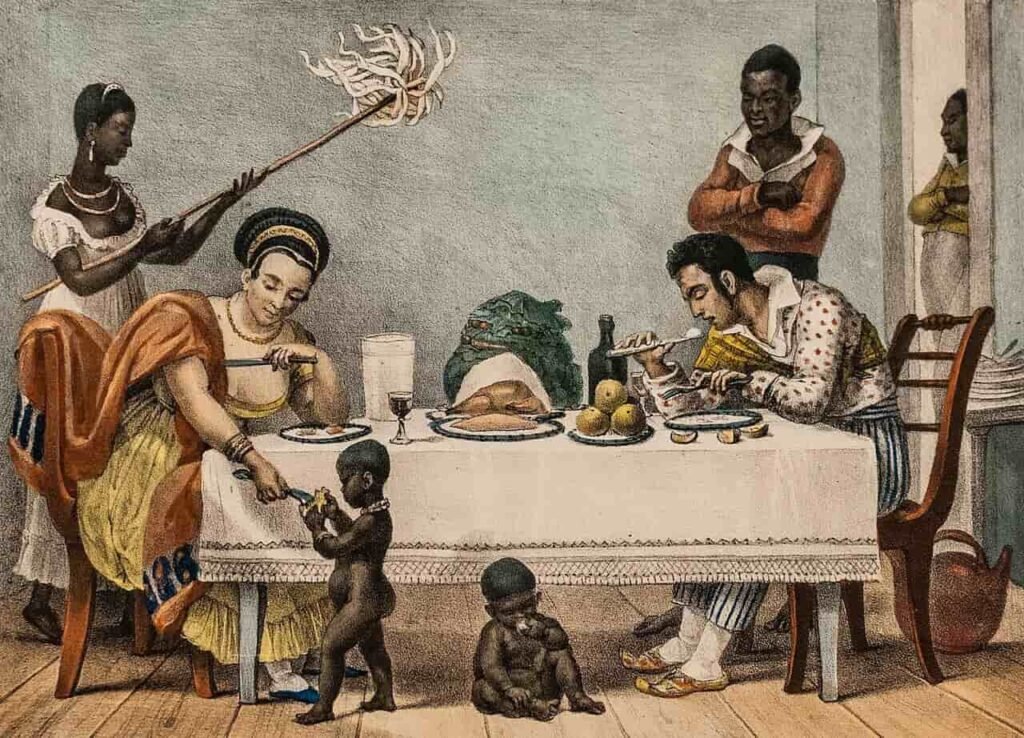
This is the darkest kind of persuasion: telling the lamb that the butcher loves it; teaching the chained to mistake rust for warmth.
Social difference goes far beyond gender and culture
Discussions of gender equality, racial equity, and cultural respect are common. But the most fundamental and violent division in society is class. It is class that determines who sets the terms, and who must submit to them. Who wields the power to decide, and who is left powerless in the outcome.
So when someone talks only of “shared humanity,” “empathy,” or “transcending ideology” without addressing class, they are tying the oppressed and the oppressor together with the same moral rope. For the powerful, it is a performance of mercy. For the powerless, it is a death sentence.
They say, “We are all connected.” Well, I once said the same thing to a turkey on Thanksgiving.
The turkey did not quite grasp the beauty of that connection—but in today’s world, many of the hunted are smiling through the slaughter.
The devil’s flute
The call to “transcend ideology and belief” is nothing more than a flute in the devil’s hand. It plays a sweet, seductive tune—one that lulls people into thinking there is no real evil in the world, that everything can be solved through dialogue, connection, and reconciliation.
But once you put down your convictions—your beliefs, your principles—you also lower your guard. You lose your ability to judge, to resist, to draw lines. In the end, you become part of a compliant crowd: easy to control, easy to consume—grateful, even, to be served as someone else’s feast.
Conclusion
Ideas can evolve, and faith can grow deeper. But they must never be erased, abandoned, or overrided. They are the anchor of civilization, the sword of justice, and the dignity of humanity.
Those who speak of “moving beyond ideology and belief,” no matter how gentle their tone or how innocent their face, are fighting for the devil’s right to define justice. We can be kind, but we will not be fools. We have empathy, but we will not applaud hypocrisy.
Remember—some voices may sound warm and gentle, but they are nothing more than the executioner’s decree, disguised in the costume of compassion.