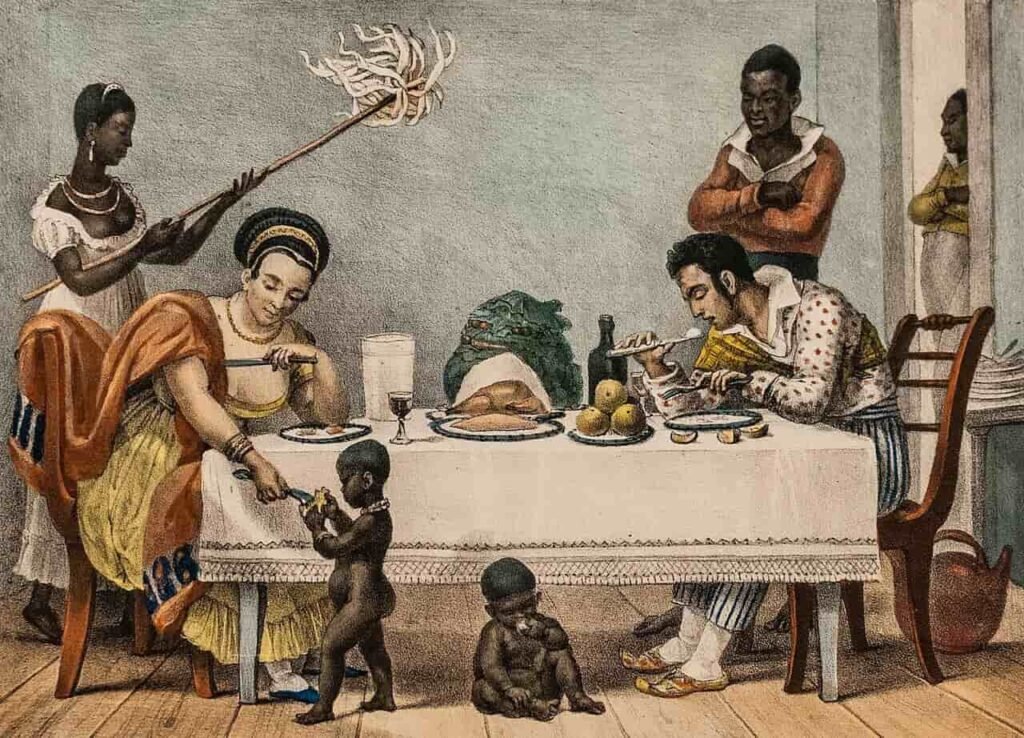
This passage emphasizes that the key to civilizational progress lies in systems, not technology. A system defines how social resources are organized and how power is structured. Its flexibility determines whether institutions can improve and whether technology can be used effectively—ultimately shaping the direction of civilization. A healthy system drives prosperity; a rigid one leads to collapse. Technology only serves the system.
Read MoreCategory: Civic Economics
How to Change the Fate of Modern Slaves
Societal problems are problems in life In modern society, workers, as a key force driving economic development, often face challenges such as low wages, long working hours, high pressure, and a lack of opportunities for advancement, which gradually makes them passive « modern slaves. » Their plight not only reflects deep-rooted issues within the social structure but […]
Read MoreCan People Rely on the Government to Achieve Economic Prosperity?
When it comes to economic regulation and reducing the wealth gap, many people tend to place the responsibility on the government. As the central entity of macroeconomic control, the government certainly plays a crucial role in promoting economic balance through a series of policies and measures. However, is this reliance enough? Can it truly lead […]
Read MoreWhat is the Social Economy? Explore the Economic System for the Next Era
Since humanity entered the capitalist society about five hundred years ago, capitalism has greatly improved human life through the Industrial Revolution and the rapid development afterwards. It has also revealed challenges, including the widening gap between the rich and the poor.
Read More