Poverty isn’t merely the evidence of economic deprivation. It is the manifestation of deeper structural issues within society. Around the world, the cause of poverty can mostly be traced back to the violation of civilization, discrimination, and a lack of respect. Civilization is the spiritual and material foundation of humanity. Only when civilization is respected and maintained can the society develop in a healthy way. Once it gets damaged, inequality and poverty will sweep through society.
The Root of Poverty: Violation of Civilization
The violation of civilization leads to the destruction of social order and fundamental human values. This violation can manifest as a disregard for the law, neglect of human rights, plundering of public resources, and indifference toward vulnerable groups. The roots of poverty often stem from this systematic destruction of civilization.
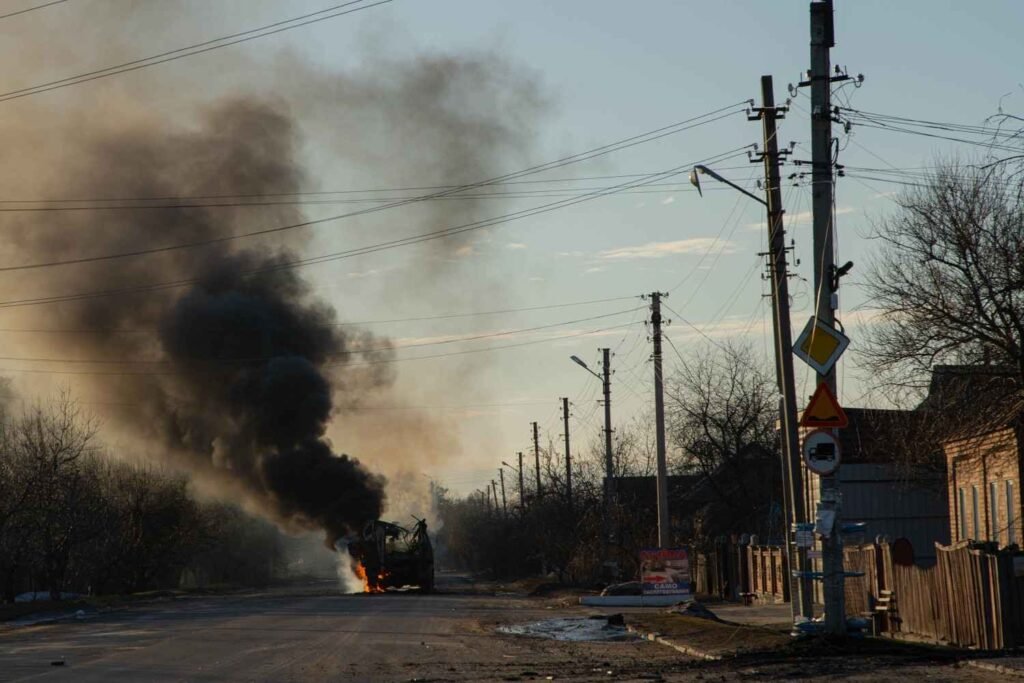
For instance, in some war-torn regions, conflict not only devastates infrastructure but also dismantles public service systems like education and healthcare. Without these basic civil safeguards, individuals in society—especially those from vulnerable groups—are forced into long-term poverty. Violence and instability undermine people’s ability to improve their circumstances through hard work, leading to a malignant cycle of intergenerational poverty.

Discrimination: A Barrier to Civilizational Development
Discrimination is an infringement on the basic human rights and dignity of others, particularly in terms of gender, race, religion, and social class. It severely hinders the upward mobility of individuals and groups. Historically, many groups have remained at the bottom of society due to discrimination, unable to access the same educational, healthcare, and employment opportunities as mainstream society. This structural inequality is a significant reason for the persistence of poverty.
For example, in many developing countries, women, ethnic minorities, and rural residents often suffer from multiple forms of discrimination. Their living conditions and chances are deprived, preventing them from escaping poverty through their own efforts. The lack of educational resources denies these groups the opportunity to enhance their capabilities, while ingrained societal prejudices make it difficult for them to participate in economic activities, creating a vicious cycle.
Lack of Respect: Undermining Social Cohesion
Respect for individuals and groups is the foundation of civilization. The dignity of every person should be recognized. When a society lacks respect for certain groups, it not only leads to the marginalization of individuals but also damages the cohesion of the entire society. Those overlooked groups often represent the most impoverished segments of society.
When people are ignored or even belittled by society due to their class, occupation, or lifestyle, their basic ends can be met, and the social support system fails to protect them. Prolonged marginalization traps these individuals in poverty, which is not only material but also a severe mental deprivation.

Respect and Inclusion: The Key to Addressing Poverty
To truly address the issue of poverty, we must start from the perspective of maintaining and respecting civilization. Firstly, we need to establish a fair and just social order that ensures the basic rights of every individual to education, healthcare, and employment, thereby providing everyone with the opportunity to escape poverty. Secondly, discrimination should be stopped and create a diverse and inclusive social environment, particularly through deep reforms in gender, racial, and social class equality.
Through respect and trust, society can enhance its cohesion and collectively confront the issue of poverty. Only in this way can poverty be prevented from persisting across generations, gradually reducing and ultimately eliminating it.
Conclusion
Poverty isn’t just an economic problem; it highlights a lack of civility in our society. When we see disrespect for civilization, discrimination, and a disregard for basic human rights, we’re really looking at some of the root causes of poverty. To tackle this issue effectively, we need to start respecting every individual, eliminating discrimination, and embracing essential values of civilization. Only then can we truly make a difference and solve the poverty problem for good.