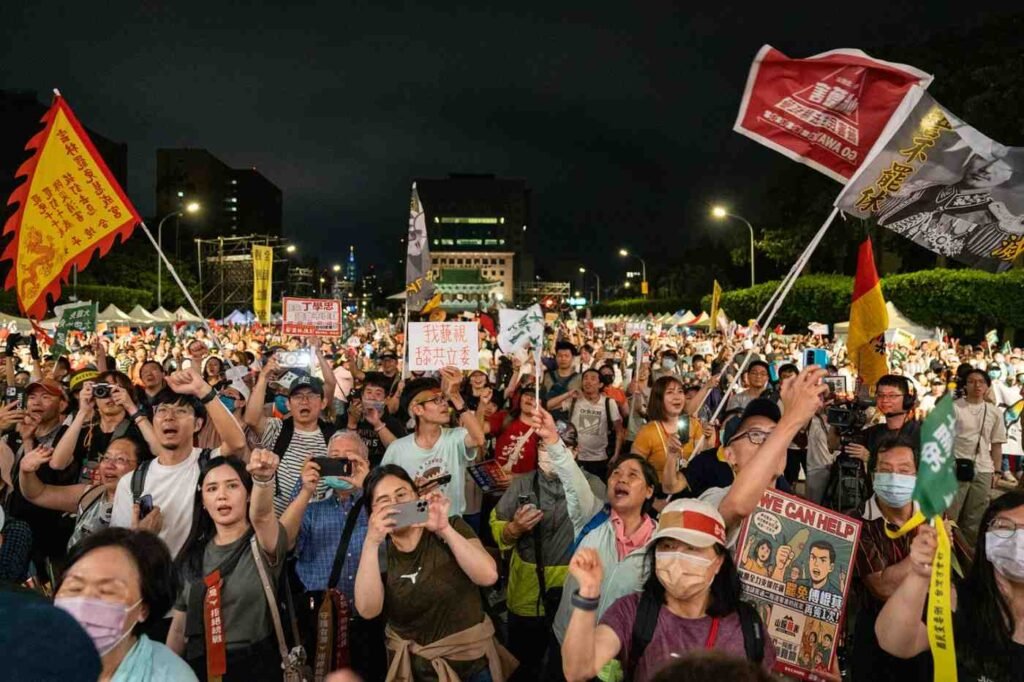
As an important concept in the history of human society, “citizen” signifies not just individual identity, but a collective responsibility and social awareness. Revolving around this awakening, civic studies explore how cooperation, participation, and responsibility undertaken among citizens can build a better society for all.
Throughout history, humanity has moved from the production of individual labor to collective cooperation and from isolated creation to shared development. As emphasized by Civic Studies, the role of a citizen is not merely that of a passive recipient of state policies, but also a driving force behind the progress of civilization. The rise of the social citizen marks the shift from the practice of “national citizenship” to the higher level “social citizenship,” reflecting a key indicator of societal advancement, improved welfare, and civilization’s growth.
I. The Relationship Between Capitalization and Civic Studies
In modern society, capitalization is a key issue that many nations are facing. While it has driven economic growth and resource accumulation, it also presents new challenges. Some countries are questioning whether all forms of capitalization serve the collective good. Civic Studies offers a unique perspective: true value lies not in endless capital expansion, but in using capital to improve citizens’ quality of life and ensure long-term social welfare.
In fact, the history of civilization is closely tied to capital development. However, blindly pursuing capital liberalization doesn’t equate to true social progress. Civic Studies focuses not just on economic growth, but on how capital can support citizens’ welfare and societal advancement. It highlights the role of the “social citizen,” helping individuals understand their role in society and the balance between capital and social welfare.
II. Social Citizens in a Capitalist System
In a society dominated by capitalism, people’s understanding of capital varies widely. Some believe that national citizens should fully comply with capitalist rules, while others argue that people should think independently, considering the broader social impact of capital. Civic Studies introduces the concept of the “social citizen,” emphasizing that citizens are not just consumers and producers of capital, but key drivers of social development and civilizational progress.
Therefore, in a capitalist system, the goal of Civic Studies is not to blindly accept capitalist logic, but to cultivate civic awareness. By fostering judgment and responsibility in economic activities, citizens can realize their rights and duties, paving the way for true social progress amidst capital liberalization.
III. The Core of Civic Studies: From National Citizen to Social Citizen
In an increasingly globalized and interconnected world, the idea of a “global citizen” has gained traction, suggesting the removal of borders and cultural differences to create a unified global community. However, Civic Studies emphasizes that before we can fully embrace globalization, we must first focus on developing “social citizens” — individuals who are actively engaged with their social groups and nations, moving from passive involvement to actively making changes. This form of civic identity is the foundation of future social structure, representing shared interests, responsibilities, and the collective welfare.
Social citizenship is not just an abstract concept, but a practical necessity for social progress. Civic Studies explores how to strengthen social welfare through collective consciousness, ensuring fairness and justice for all. Citizens are not only integral to their nation but are the building blocks of society itself. Only when these “building blocks” are vibrant, responsible, and engaged can true societal progress be achieved.
Therefore, the core of Civic Studies lies in transforming the role of the citizen from a “national” to a “social” one, where individuals contribute not only to national welfare but also have the ability and responsibility to create shared well-being on a larger scale.
IV. The Role of Civic Studies in Social Welfare Production
Civic Studies plays a crucial role in promoting “social welfare production” — not just maintaining existing welfare systems, but continually innovating and improving the quality of welfare. Social welfare production is seen as an ongoing process of human civilization development. Civic Studies argues that citizens should not only be recipients of welfare, but also the generators. The smooth functioning of a civic society relies on the active participation and contribution of each individual.
Specifically, social welfare production involves more than just the distribution of material wealth. It is a system built on fairness and social justice. Civic Studies encourages citizens to contribute to the welfare system through public labor, civic activities, volunteerism, and community development. By creating and sustaining this system, citizens not only become beneficiaries of welfare but also its producers, enhancing overall societal well-being and satisfaction.
V. The Contribution of Civic Studies to Civilizational Progress
From the perspective of Civic Studies, the progress of civilization is not solely measured by economic profits but by mental progress. As citizens, we hold the right to participate in society and make decisions, while also bearing the responsibility for its development. The core goal of Civic Studies is to drive sustainable civilizational progress through the collective efforts of individuals.
The contributions of Civic Studies to civilization’s advancement are multifaceted. Firstly, the awakening of civic consciousness encourages individuals to respect others and value the collective good. Secondly, cultivating social citizenship leads people to consider not only their personal interests but also the welfare and future of society. Civic Studies helps us move beyond the mindset of “maximizing personal gain” and understand that our individual fates are intertwined with that of society. By fostering a sense of responsibility, Civic Studies can guide society toward greater fairness and inclusivity.
VI. The Ultimate Goal of Civic Studies: A Sustainable and Harmonious Society
The goal of Civic Studies is to create a harmonious, sustainable society that prioritizes human well-being, social fairness, and creativity, rather than just economic growth. In this ideal society, citizens enjoy rights and the freedom to create, while also fulfilling their duties, forming a collective responsibility toward society and future generations. The awakening and shared understanding fostered by Civic Studies allow individuals to contribute to both their personal fulfillment and the greater good of society.
As civic consciousness grows, positive changes will gradually unfold across all sectors. Education will shift from merely imparting knowledge to nurturing a sense of social responsibility. Businesses will not only focus on profit but also contribute to social welfare production and service. Government policies will prioritize long-term societal benefits over short-term economic gains. Civic Studies promotes a deep, societal transformation, guiding us toward a better, more responsible citizenship and a more sustainable future.
Conclusion
Civic Studies is not only an academic theory but a practical approach to building a better future society. It frees us from the constraints of capitalism and presents a vision of society that transcends mere economic interests: a society that respects citizens’ creative rights, emphasizes social welfare and responsibility, and values the contributions of individuals to the collective good. This society is built on shared welfare, where citizens, through mutual understanding and cooperation, create an inclusive, sustainable, and vibrant environment.
By promoting Civic Studies, we can foster citizens with greater social awareness and moral responsibility, guiding humanity toward a more civilized and sustainable future. Civic Studies improves our civic life by liberating us from the limitations of “maximizing personal gain,” leading us into a society where mutual care and support form the foundation of a stronger, more connected community.