What is the Social Economy? Explore the Economic System for the Next Era

Avatar photo
Kishou · Jun 11, 2024
Since humanity entered the capitalist society about five hundred years ago, capitalism has greatly improved human life through the Industrial Revolution and the rapid development afterwards. It has also revealed challenges, including the widening gap between the rich and the poor.

From a historical perspective, our social civilization has evolved from primitive society to slave societies and feudal societies, and then from those to the modern society dominated by capitalism. This evolution indicates that our social civilization is always changing and will continue to change. With all the improvements brought by technology in various aspects of society, our lives are undergoing significant changes. Therefore, as responsible members of society, we need to reflect on what kind of social structure we should choose for the next era.

In this context, I am particularly concerned about the economy, as everyone living in society is part of the economic cycle. The economy of the next era should transcend capitalism, becoming more rational and efficient, allowing each individual to realize their own value.

Through our ongoing research on the economy, we have named the economic system of the next era “social economy.” This system aims to further strengthen the connections between organizations, society, and individuals. While it differs from socialism, it indeed incorporates elements of collectivism.

In a social economy, the form of enterprise is social business. Social businesses are commercial models aimed at addressing social issues such as poverty and environmental challenges.

Dr. Muhammad Yunus, the founder of the Grameen Bank and an economist, proposed the following seven principles for social enterprises:

  1. The primary purpose of a business is not to maximize profits, but to address issues that threaten people and society, such as poverty, education, health, access to information, and environmental concerns.
  2. Achieving financial and economic sustainability.
  3. Investors can only recover their initial investment and will not receive dividends exceeding the principal amount.
  4. Profits generated beyond the investment amount will be used to promote, improve, and expand the social enterprise.
  5. Protecting the environment.
  6. Providing employees with market wages and working conditions that exceed standard requirements.
  7. Engaging joyfully in the work.


According to Dr. Yunus’s theory, the primary goal of a social enterprise is to reduce poverty and address social issues, generating sustainable social impact through ongoing business activities.

However, we believe that the concepts of social enterprises are still in their early stages, and they are not sufficient to achieve social reform. Key areas such as how to establish social enterprises, what structures and systems to adopt, and how to achieve sustainable operations and scale expansion require further in-depth research to develop a more comprehensive theoretical framework.

Why is it important to study aspects like organizational structure and systems? To make things work, it is important to combine practice with correct theories. A theory without practice is like a spring without a source, and practice without theory is like a voyage without direction. Daron Acemoglu and James A. Robinson point out in their book “Why Nations Fail” that institutions are a major factor in a society’s success or failure. A sound economic system can incentivize citizens to invest, promoting capital accumulation and the development of new technologies.

The same applies to enterprises. A well-structured and effective system can unlock employees’ talents, broaden their perspectives, and generate greater value. Moreover, a robust system can support leadership by guiding them in making informed strategic decisions. While individual skills and qualities are undeniably important, a strong system can help bridge gaps in those areas. It not only reduces risks but also fosters talent development, profit growth, and overall business advancement.

Social enterprises are by no means “charitable organizations engaging in trade”. Tthey embody a revolutionary business model that stands at the forefront of our era.

Many companies encounter challenges in developing new products, creating content, or nurturing talent. However, the solutions often reside within the frameworks of social enterprises.

In future articles, I aim to explore how we can address these operational challenges through social enterprises and how we can leverage their principles to drive economic reform.

See you next time!
Share this article:
LEARN MORE

Continue Reading

台湾の大規模罷免運動:私たちは彼らを選べても、罷免は決してできないのか?

台湾の大規模罷免運動:私たちは彼らを選べても、罷免は決してできないのか?

Kishou · Jul 24, 2025

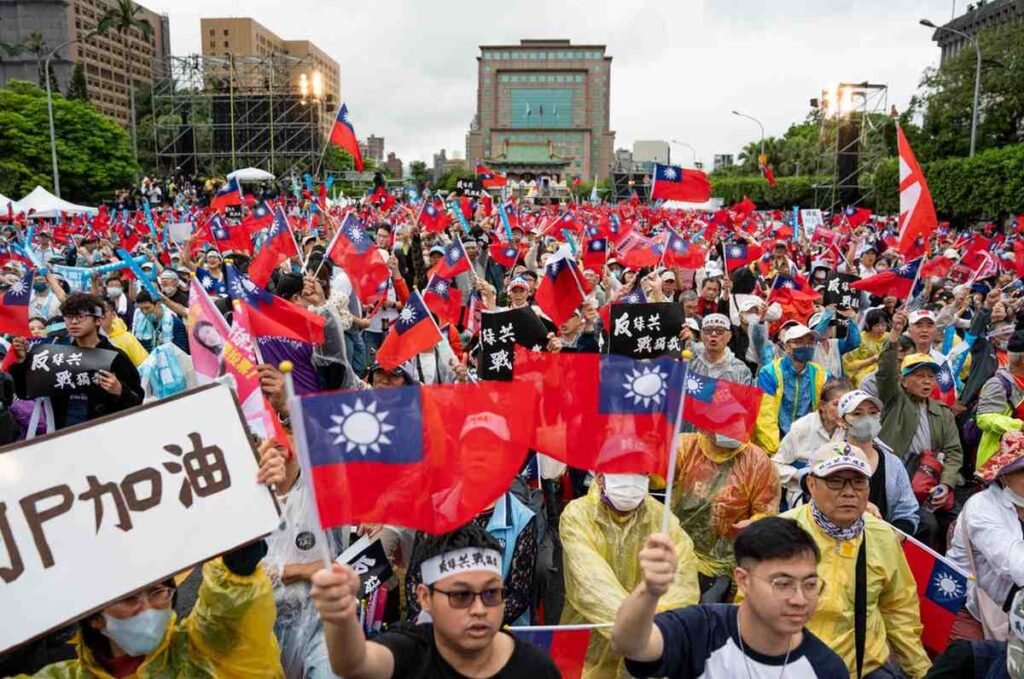
一乗公益 寄稿 私たちは、世界の民主主義制度における深いレベルの改革というテーマに、引き続き注目していきます。 付録:台湾の罷免制度に関する10の修正提案 序論: 多くの民主主義国家において、国民は「投票で代表者を選ぶ」権利を持つ一方で、「任期中に罷免する」ことは極めて困難です。 これは偶然ではなく、制度設計に「内在する障壁」が組み込まれているからです。近年、台湾で相次いで発生した罷免運動を例にとれば、その制度が実際には機能不全に陥り、民意が制度的に冷遇され、政治的責任追及がほぼ不可能になっている様子が明確に見て取れます。 この背景には、より深い民主主義の問いがあります。 罷免権を持たない民主主義は、制御不能な委任に過ぎません。 有効な罷免メカニズムを持たない制度は、単なる見せかけの政治に過ぎません。 一、台湾における罷免の苦境:現実レベルの「合法的な無効化」 √ 事例1:陳柏惟氏の罷免案(2021年) × 事例2:黄捷氏の罷免案(2021年) × 事例3:鍾東錦氏の罷免案(2024年) これらの事例が示すのは、制度が罷免の道を開きながらも、実際には「罷免阻止の仕組み」を構築しているということです。 二、なぜ罷免制度は「形骸化」しているのでしょうか?台湾における5つの制度的障壁 1. 手続きが複雑で、ハードルが極めて高い 問題は、制度が「罷免」を専門的な闘争に変えてしまい、一般市民が関与しにくい点にあります。 2. 政党による乗っ取りと政治的二極化、罷免を「選挙戦の延長」に貶める 罷免の本質は制度の自浄作用であるはずが、政党が互いに攻撃する道具として利用されています。 3. 市民の動員構造の解体、行動力が高度に分散 現代の民主社会では、個人は「自由」であると同時に「孤立」しています。 4. メディア環境の異質化、言論空間が「偽の民意」を生成 メディアはもはや市民の判断を導くのではなく、政党の方針を固めるのを助ける役割を担っています。 5. 罷免後の制度的な後始末がなく、市民が混乱を恐れる 市民が求めるのは「責任ある是正メカニズム」であり、混乱後の政治の空転ではありません。 三、民主主義には「完全な罷免制度」が不可欠です もし民主主義が公共の列車だとすれば、選挙は乗車であり、罷免はブレーキです。 ブレーキシステムを持たない民主主義は、自由な制度ではなく、制度的な制御不能に陥っています。 ▶ 完全な罷免制度は、以下の5つの要素を含むべきです。 構成要素 機能 台湾の現状 改善提案 ① 容易な発動 市民が発起でき、政党の支援は不要であるべきです。 極めて高いハードルです。 第1段階のハードルを0.5%にまで引き下げます。 ② 公正な審査 署名、資格、公文書のプロセスがすべて公開されるべきです。 行政権による審査が曖昧です。 超党派の独立罷免委員会の設立。 ③ 政党による操作の排除 […]

台湾大罢免:我们能选他们,却永远罢不掉他们?

台湾大罢免:我们能选他们,却永远罢不掉他们?

Kishou · Jul 24, 2025

一乘公益 出品 我们将持续关注世界民主制度的深层改革议题。 附:台湾罢免制度的十大修正建议 引言: 在多数民主国家,人民拥有“投票选人”的权利,却极难“中途罢人”。 这不是偶然,而是制度设计上的“内建屏障”。以台湾近年来接连爆发的罢免案为例,我们可以清晰地看到:罢免制度在操作上几近瘫痪,民意被制度性冷处理,政治责任几乎无法追究。 这背后,是一个更深刻的民主命题: 没有罢免权的民主,是失控的授权; 没有有效罢免机制的制度,只是表演性的政治。 一、台湾的罢免困局:现实层面的“合法无效” 案例1:陈柏惟罢免案(2021) 案例2:黄捷罢免案(2021) 案例3:钟东锦罢免案(2024) 这些案例说明:制度虽开罢免口子,实际却构建了“防罢免机制”。 二、为什么罢免制度“名存实亡”?台湾的五重制度性障碍 1. 程序复杂,门槛奇高 问题在于:制度把“罢免”变成了专业战争,普通人难以介入。 2. 政党绑架与政治极化,令罢免沦为选战延长线 罢免的本义是制度自清,却被政党当作政治互打工具。 3. 民众动员结构解体,行动力被高度分散 现代民主社会里,个体虽“自由”,但“孤立”。 4. 媒体生态异化,言论空间制造假民意 媒体不再引导公民判断,而是在协助政党定调。 5. 罢免之后,无制度性善后,导致民众恐惧动荡 民众需要的是“负责任的纠错机制”,不是混乱后的政治空转。 三、民主必须有“完整的罢免机制” 如果民主是一辆公共列车,选举是上车,罢免就是刹车。 一个没有刹车系统的民主,不是自由的制度,而是制度性失控。 ▶ 完整的罢免机制应包含五个构件: 构件 功能 台湾现状 优化建议 ① 易启动 民众能发起,无需政党支援 极高门槛 降低第一阶段门槛至0.5% ② 公正审查 联署、资格、公文全程公开 行政权审查模糊 建立跨党独立罢免委员会 ③ 非政党操控 去党化动员 政党完全主导罢免动员 限制政党使用行政资源介入罢免 […]

read more

Related Content

The Cost of Extending Pension Contribution Periods
Avatar photo
Kishou · Feb 1, 2026
Introduction: A Global Surrender of Time Amid a profound global demographic reversal, virtually all modern nations are performing the same quiet yet decisive institutional surgery: delaying retirement ages, extending contribution periods, and recalibrating benefit expectations. Technocrats package this transformation as “the necessary response to the aging crisis,” while fiscal departments frame it as “rational adjustments […]
Why systems matter more than tech
Avatar photo
Kishou · Jun 13, 2025
This passage emphasizes that the key to civilizational progress lies in systems, not technology. A system defines how social resources are organized and how power is structured. Its flexibility determines whether institutions can improve and whether technology can be used effectively—ultimately shaping the direction of civilization. A healthy system drives prosperity; a rigid one leads to collapse. Technology only serves the system.
Can People Rely on the Government to Achieve Economic Prosperity?
Avatar photo
Kishou · Jan 22, 2025
When it comes to economic regulation and reducing the wealth gap, many people tend to place the responsibility on the government. As the central entity of macroeconomic control, the government certainly plays a crucial role in promoting economic balance through a series of policies and measures. However, is this reliance enough? Can it truly lead […]
How the Socio-Civic Economy Reconstructs “Employment, Unemployment, and Basic Income Systems”
Avatar photo
Kishou · Feb 5, 2026
Preface: Employment is Not Just a “Livelihood,” but a Basic License for Civic Existence In capitalist ideology, “employment” is brutally reduced to a purely instrumental equation: “Job → Income → Survival.” This logic chains human existence to capital’s hiring whims, systematically equating joblessness with social worthlessness. Unemployment becomes morally weaponized—branded as proof of personal inadequacy, market […]
View All Content