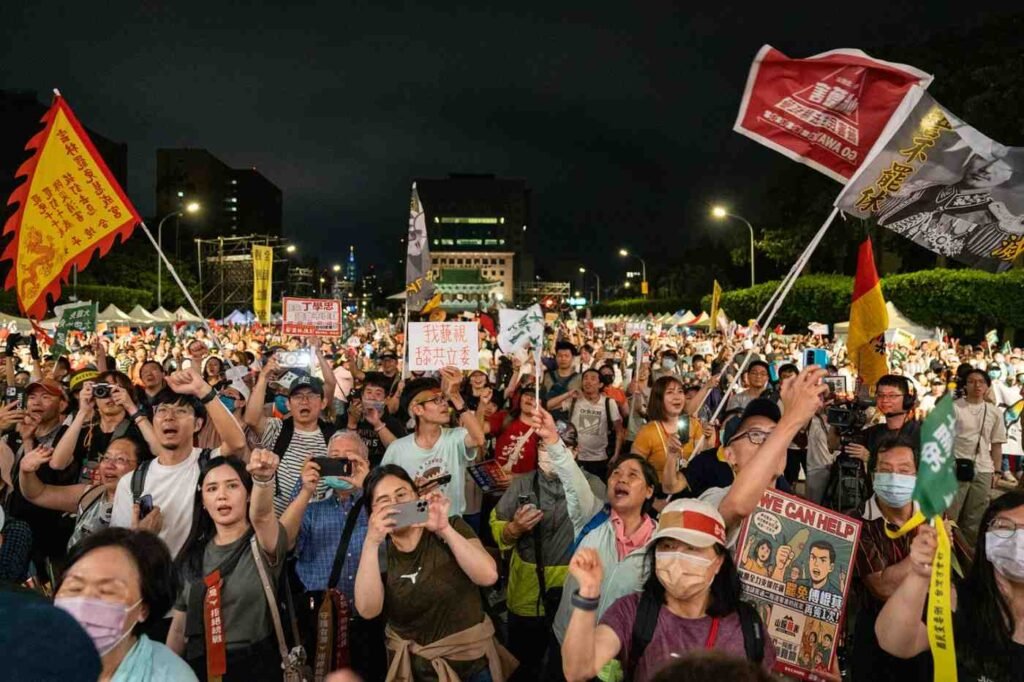
Happiness is a universal goal and a driving force for creation. Yet, in a world shaped by complex systems and rapid technological change, many of us often feel isolated, anxious, and powerless. This is not due to personal failure. Instead, it results from a societal system that opens doors for some while closing them for others.
The design of a civilization system is closely tied to the values within society. For the current human civilization, the key to progress lies in offering equal love and care for all.
Yicheng Commonweal is actively working to ensure that everyone experiences both a sense of existence and participation, while enjoying the happiness and fulfillment of a civilized society.
I. The Root Causes of Exclusion in the Civilization System
1. The Alienation of Standardized Rules
Current civilization systems often rely on explicit or covert rules to maintain order. These rules may increase efficiency in the short term, but they tend to suppress diversity and individuality. Rigid rules often force people to adapt to the system, changing who they are in the process. Those who can’t meet the standards are often left out of the pursuit of happiness.
For example, many education systems still use standardized exams to measure students’ abilities. They overlook values like emotion and creativity, which can’t be quantified. The system sacrificed the potential of many kids and caused the overall creativity of future society to decline dramatically.
2. Unequal Distribution of Resources
In many societies, resource distribution is claimed to be “fair.” But in reality, the system frequently favors those who are already in a stronger position. While policies might talk about fairness, they often fail to address deeper, structural issues like the historical inequalities faced by certain groups. Simply providing equal resources doesn’t solve the problem if no targeted interventions are made.
Take the widening wealth gap, for example. Or how top-tier education and healthcare are concentrated in certain areas. These issues have put many people at a disadvantage in the race for success. People marginalized by the system gradually lose their chance to pursue happiness. Struggling to meet basic needs, they are unable to nurture a sense of well-being.
Despite living on the same planet, people in different countries and regions experience vast disparities in living standards. People in developed countries can easily access benefits that others in underdeveloped areas have to work hard for.
This disparity stems from differences in societal civilization systems. Resources tend to concentrate in more advanced systems, creating a significant injustice for those in less developed regions. Without systemic intervention or self-help efforts, this inequality will be difficult to resolve.
3. The Alienation of Technological Progress
Technology has made our civilization systems more efficient, but it has also created new forms of isolation. Take artificial intelligence and automation, for example. While they have increased productivity, they are going to replace many traditional jobs. As a result, many workers feel a loss of value and a fear of losing their jobs.
At the same time, social media and digital technologies, while connecting people from around the world, often make us feel lost in opinions and attacks from various sides. In this digital age, it is harder to form real emotional connections, and this erodes our sense of happiness.
4. The Suppression of Cultural Diversity
In modern societies, dominant cultures shape the civilization system, often overlooking the needs of diverse cultures. Groups that don’t align with mainstream values or lifestyles face marginalization and, in some cases, discrimination. Immigrants, ethnic minorities, and gender minorities often find themselves labeled as outsiders. Their sense of identity and happiness is continually suppressed.
II. The Far-reaching Impact of Exclusion on Happiness
1. A Crisis in Mental Health
People who are excluded often experience feelings of loneliness and helplessness, which can lead to a mental health crisis. The widespread rise in depression and anxiety is partly due to the civilization system’s failure to address individual psychological needs.
When individuals are forced to fit into a system that doesn’t admit their values as a person, their mental resilience weakens. This decline in well-being can result in burnout, social anxiety, autism, and even conditions like agoraphobia or manic depression.
2. Indifferent Interpersonal Relationships
In today’s fast-paced world, the drive for efficiency often comes at the cost of real human connections. With everyone relying more on digital communication, there’s little time left for face-to-face interactions that truly build relationships.
As a result, emotional connections become rarer, and our sense of happiness starts to weaken. People become more guarded in their social interactions, and the overall atmosphere feels colder. In fact, “Don’t bother others” has become the unspoken rule of the day.
3. A Loss of Sense
Happiness is not just about material wealth—it also needs a deeper sense of meaning. However, current value systems focus more on external markers of success, like wealth and status, while neglecting the nurturing and appreciation of inner values. Many civilization systems are built on this collective value system.
As a result, those who feel excluded from this system lose their sense of control over life. They struggle to find personal meaning, drifting into a “vacuum” of happiness—lost, confused, and uncertain of where to turn next.
II. Breaking the Cycle of Exclusion: The Path to True Happiness
1. People-oriented Institutional Reform
Civilization systems need to shift from an “efficiency-first” approach to a “people-oriented” one. For example, education systems should focus more on personalized development, honoring each child’s unique talents. Healthcare systems should aim for universal coverage, easing the health anxieties of vulnerable groups. True happiness can only be achieved when institutional designs meet the basic needs of every individual.
2. Creating an Inclusive Culture
Civilization systems need to embrace diverse cultural expressions and respect different lifestyles. Through legislation and social advocacy, we can reduce discrimination and prejudice against vulnerable groups. Cultural events and community building can foster greater understanding and empathy between groups, allowing everyone to feel the warmth of acceptance.
3. Reshaping the People-Technology Connection
The role of technological progress should be to foster human well-being, not deepen exclusion. For example, as digital technologies are introduced, we need to ensure they are accessible to the elderly and low-income groups.
Similarly, in the case of artificial intelligence, it’s crucial to implement policies that protect workers’ rights and create pathways for reemployment for those whose jobs are lost. Otherwise, the wealth gap will continue to grow and aggravate inequality.
4. Redefining Happiness and Success
Happiness shouldn’t be defined by wealth, status, or material success. True fulfillment comes from pursuing personal values beyond external achievements. In a world where burnout and mental health struggles are common, society needs to shift focus from external success to internal well-being.
Through education and media, we can help people see that happiness is about meaningful connections, a sense of community, and harmony with nature. The diverse definitions of happiness in society can reduce external stress and peer pressure, allowing them to embrace a wider range of lifestyles and cultures.
III. Conclusion
The unhappiness many people feel comes from being excluded by the civilization systems. To address the problem, it is necessary to reconsider the underlying values and design of these systems in our society. Instead of rigid rules, we need to prioritize inclusivity. Happiness is not an unattainable goal, but a right for everyone.
When the value of collective well-being is advocated and practiced in the systems, people will find a sense of belonging and meaning. Only then can we experience true joy and embrace endless progress in our society.