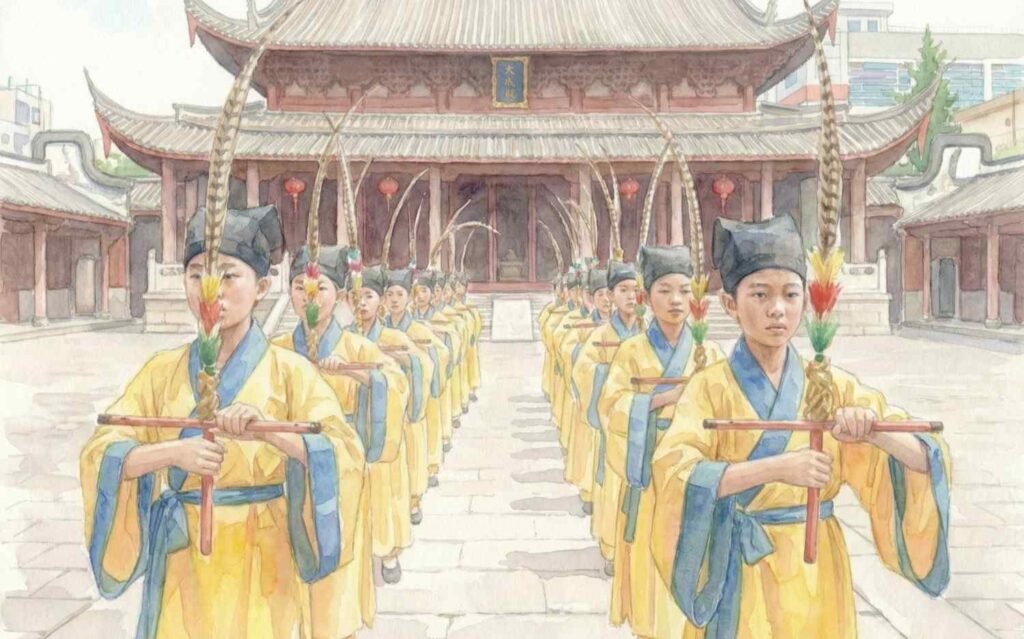
The burden of livelihood in childhood: the hidden crisis of Confucian education in modern East Asia

The burden of livelihood in childhood: the hidden crisis of Confucian education in modern East Asia

Introduction: A hidden disease at the heart of civilization On the surface, Confucian-influenced societies such as Japan, South Korea, and Singapore appear to embody a successful Eastern model of modern civilization—orderly, safe, and built upon a tightly run education system. But beneath this polished exterior lies a deep, systemic fracture in their civilizational foundation: an […]

Read More

Why systems matter more than tech

Why systems matter more than tech

This passage emphasizes that the key to civilizational progress lies in systems, not technology. A system defines how social resources are organized and how power is structured. Its flexibility determines whether institutions can improve and whether technology can be used effectively—ultimately shaping the direction of civilization. A healthy system drives prosperity; a rigid one leads to collapse. Technology only serves the system.

Read More
Voting vs. decision-making: Understanding their roles in civilization

Voting vs. decision-making: Understanding their roles in civilization

This article explores the fundamental difference between voting and decision-making. Voting reflects the distribution of power and interests, while decision-making requires a small group of people with strategic competence. When these two are blurred, decisions risk becoming shortsighted and driven by emotion, leading to power imbalances that ultimately weaken social governance.

Read More
Cowardice and brutality in Chinese education: a warning and threat to global civilization

Cowardice and brutality in Chinese education: a warning and threat to global civilization

I. Why are cowardly and brutal styles of education so common in Eastern societies, especially in China? To understand these two distorted educational patterns, we must go beyond blaming individual parents or schools. Instead, it is necessary to examine the deeper cultural and historical roots—particularly the long-standing authoritarian structure of Chinese civilization. For centuries, Chinese […]

Read More
Placeholder image

Time, history, and how we understand them

Since the dawn of human civilization, history has carried people’s collective memory and experience. People have long tried to draw lessons from it, hoping to avoid repeating past mistakes and to push society forward. Yet when we look back across thousands of years, the rise and fall of dynasties, the cycles of war and peace, […]

Read More
Placeholder image

Building a Sustainable Civilized Society: Understanding Dictatorship

To create a more advanced civilization, we must first understand both the foundations of a civilized society and the forces that drive progress. Meanwhile, it is also necessary to recognize the factors that are hindering the advancement of civilization. Only with this understanding can people work together to build a society that cultivates virtue and […]

Read More
Placeholder image

Poverty stems from a disrespect for civilization and discrimination

Poverty isn’t merely the evidence of economic deprivation. It is the manifestation of deeper structural issues within society. Around the world, the cause of poverty can mostly be traced back to the violation of civilization, discrimination, and a lack of respect. Civilization is the spiritual and material foundation of humanity. Only when civilization is respected […]

Read More